English edition of a Japanese guide by Hiroshi Yagi. Japanese original: first published January 16, 2026; updated October 7, 2026. Read the Japanese original (Japanese).
Incontinence insert pads used with adult diapers consist of a topsheet, absorbent material, a waterproof backing and, in many cases, standing leak guards. When choosing a pad, consider its absorption speed, breathability and leak-prevention features as well as its absorbency. This illustrated guide explains the role of each part and how to read the absorbency information on Japanese packages.
How an incontinence pad is constructed
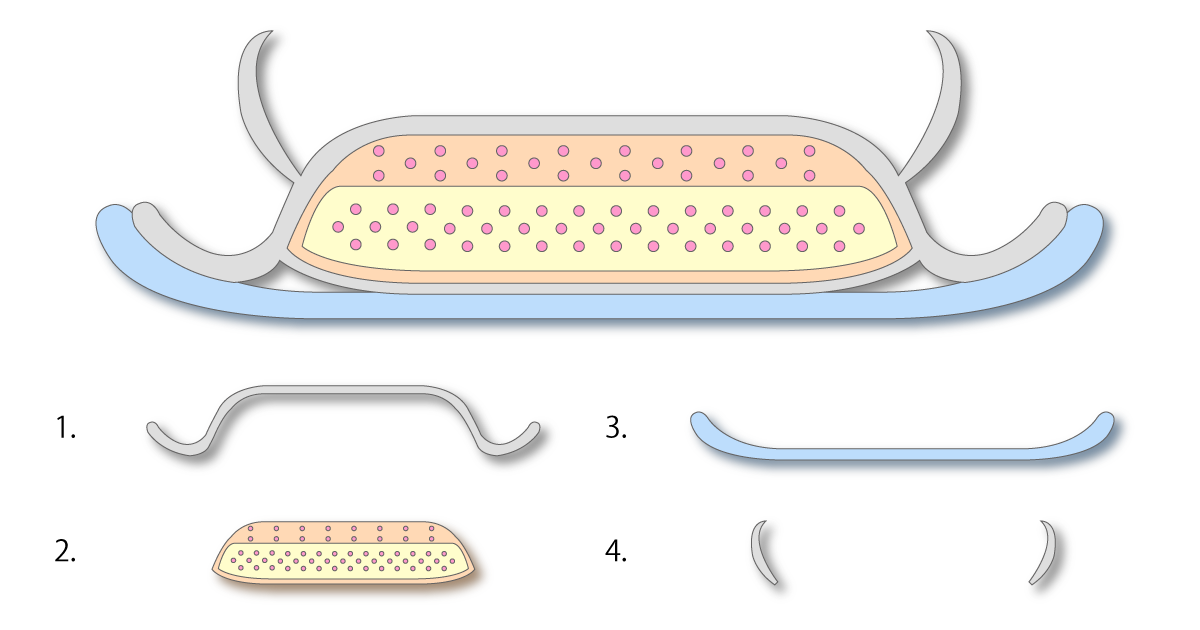
1. Topsheet: feel against the skin and passage of liquid
2. Absorbent material: absorbency
3. Waterproof backing: breathable or non-breathable
4. Standing leak guards: barriers against leaks
Incontinence pad performance
Absorbency
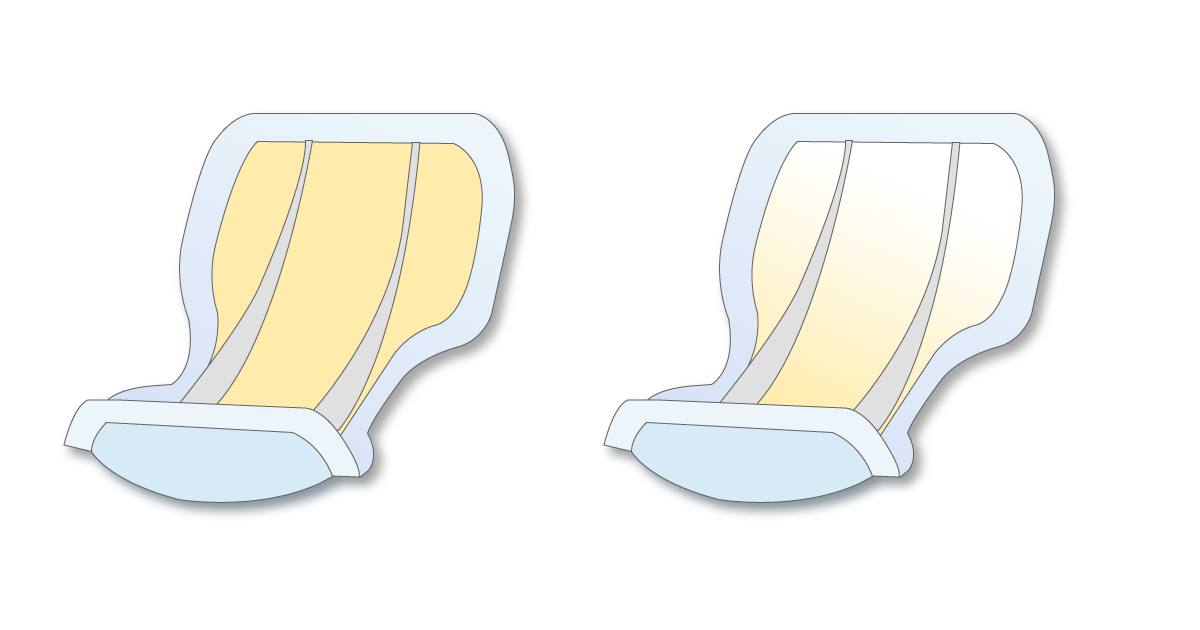
Total absorbency and indicated absorbency in use are different measures. Total absorbency describes the pad when its absorbent area is fully saturated. Indicated absorbency in use is a guide to use. The Japanese source gives approximately 50–70% of total absorbency as a rough comparison, but this is not a universal conversion formula: products and measurement conditions differ. Some products for hospitals and care facilities list total absorbency; where available, use the manufacturer’s indicated absorbency in use instead. Absorption and liquid retention vary by product. Choose absorbency suited to the amount of urine, and check for surface wetness or leaks when sitting or lying down. Urine returning to the surface and contacting the skin can contribute to skin problems. Appropriate absorbency helps limit this return of liquid under body pressure.
Absorption speed
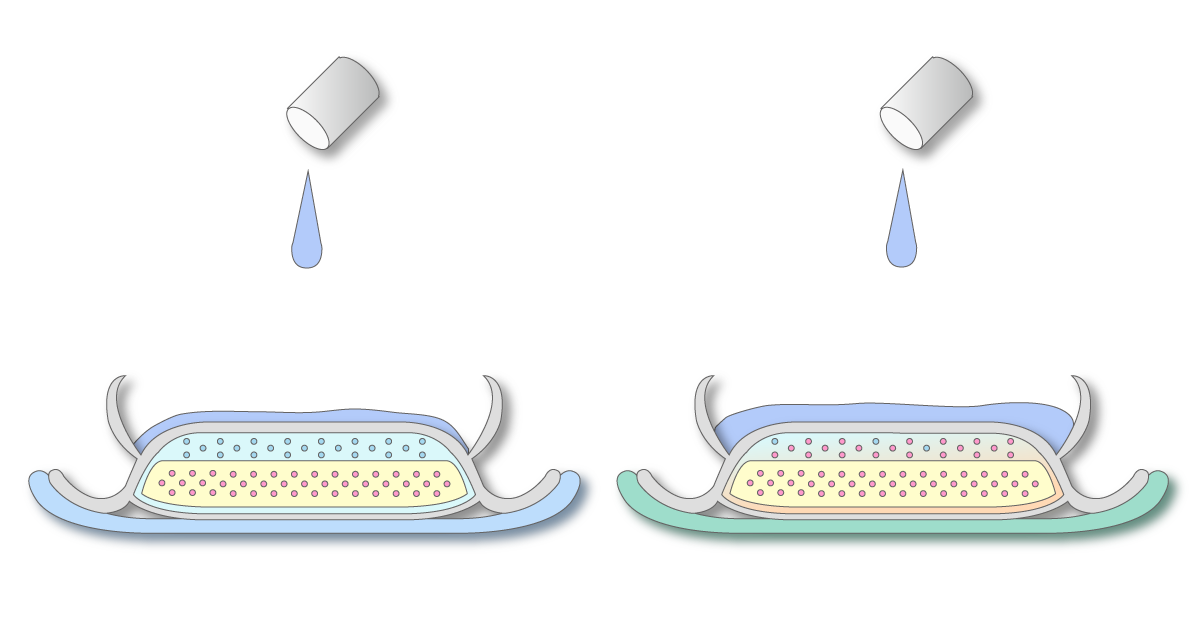
Absorption speed varies by manufacturer and product. A manufacturer may offer faster-absorbing pads in a higher-tier range. The volume and strength of urine flow also vary from person to person. If a large amount of urine reaches the pad quickly, absorption may not keep up: urine can spread and leak. Consider absorption speed as well as absorbency, and choose a product suited to the person’s urination pattern. A faster-absorbing pad may help reduce leaks in these circumstances.
• A strong urine flow
Waterproof backing
The waterproof backing prevents urine from passing through the back of the pad. Some backings allow water vapor to pass through; others do not.
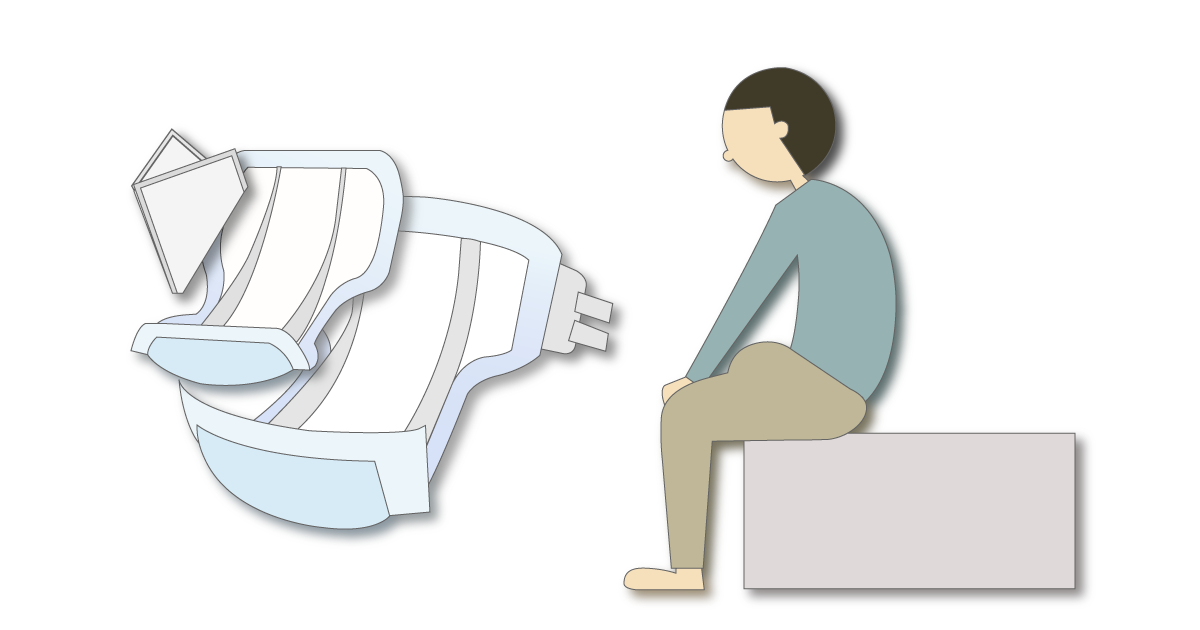
Breathable and non-breathable pads
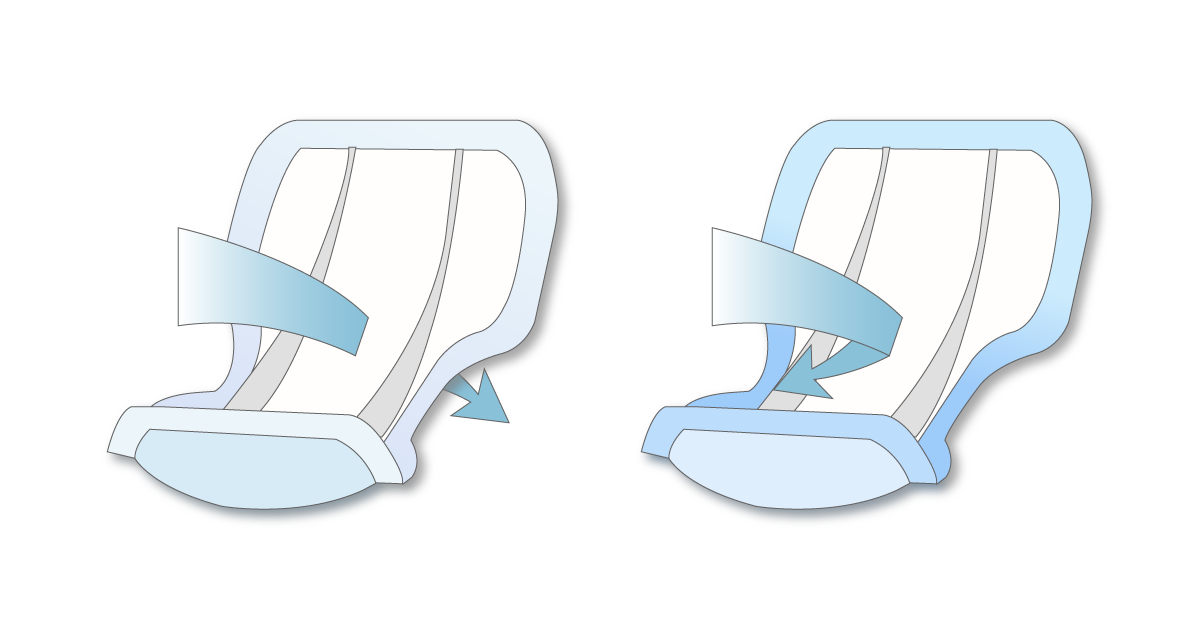
Both breathable and non-breathable pads are available. Humidity inside a diaper increases after urination. Breathable pads allow water vapor to escape, helping reduce trapped moisture. They may cost more than comparable non-breathable products. Japanese packages may also describe this as moisture permeability. Breathable pads are available at drugstores and supermarkets in Japan.
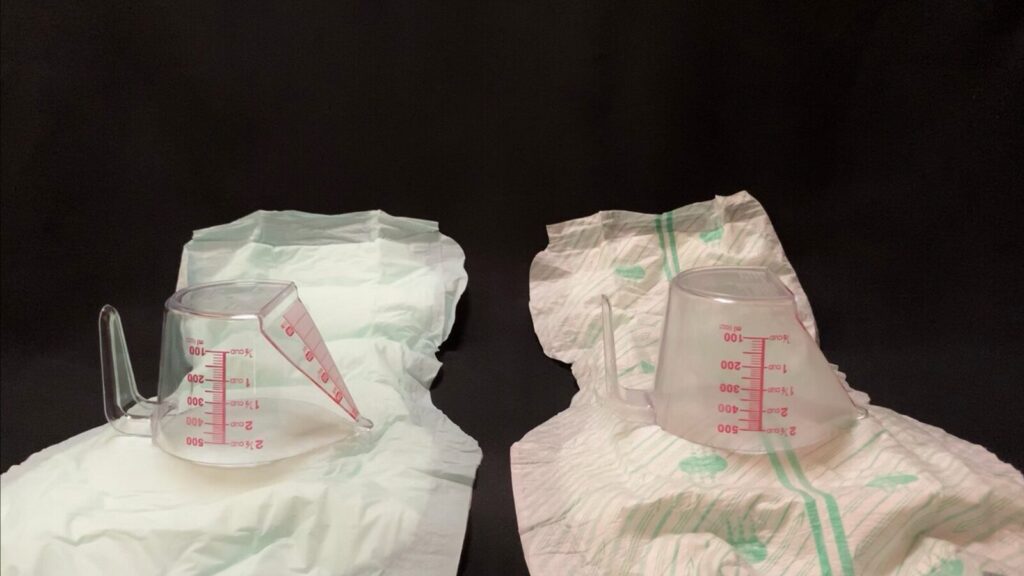
Non-breathable: an option described in the source for people whose pads can be changed frequently. Breathability alone does not prevent skin problems.
Standing leak guards
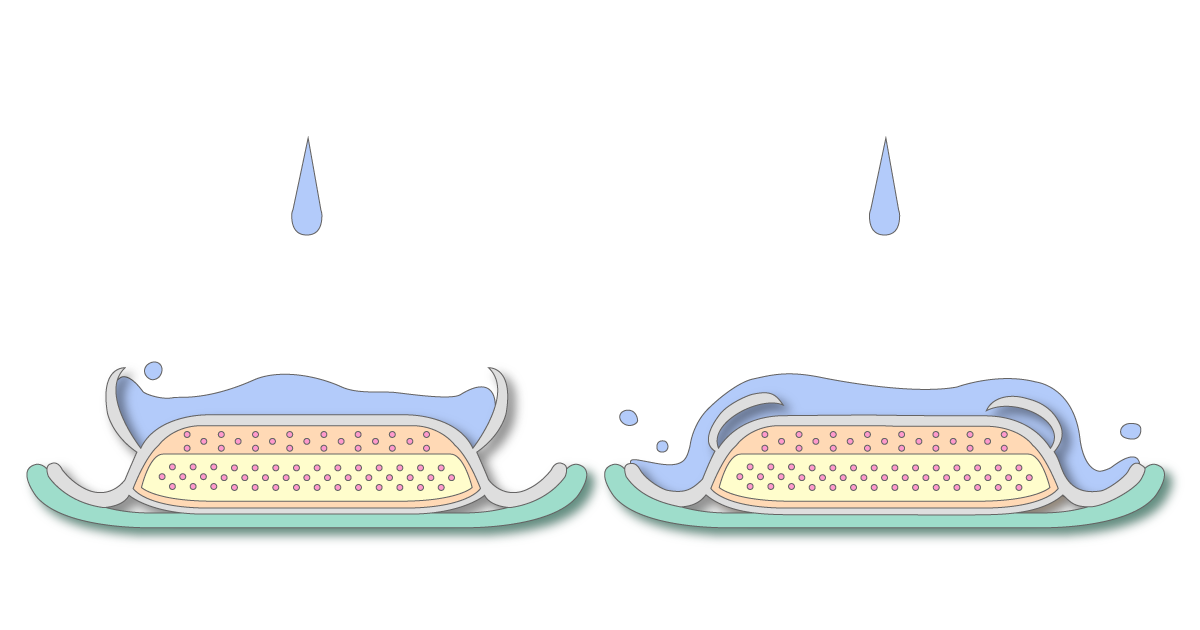
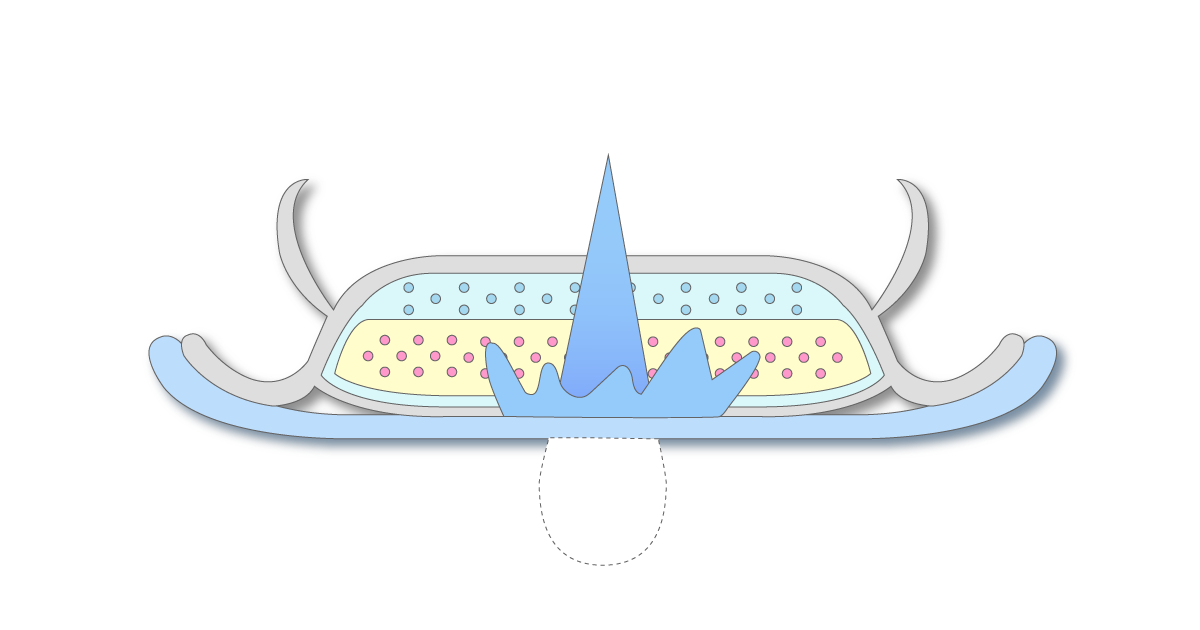
Standing leak guards act as barriers that help keep urine or stool from flowing over the sides of a pad. A pad cannot absorb urine instantly. The guards temporarily hold the liquid while the absorbent core takes it in. Make sure the guards are raised when fitting the pad. Some pads do not have standing leak guards.
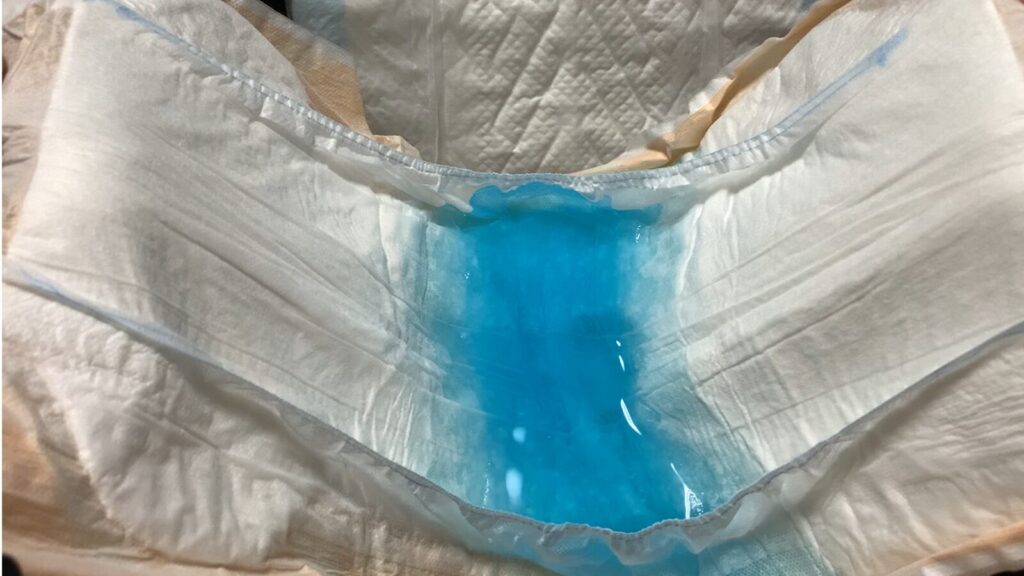

The standing leak guards hold the liquid briefly while the pad absorbs it.
Odor control
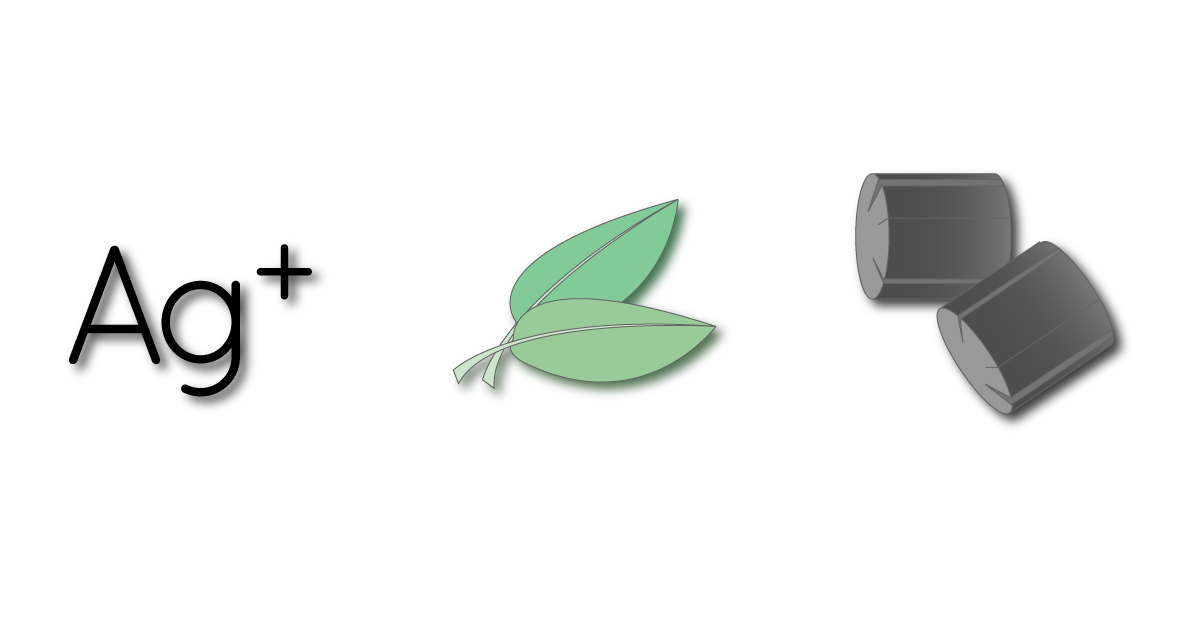
Many people worry about odor. These concerns can affect social activities or going out, so odor control is another consideration. Most of the products discussed address urine odor; some also address stool odor. Check the features stated for the individual product.
Some pads have odor-control features using ingredients such as silver ions (Ag⁺), catechins or activated carbon.
How to read package information
The Japan Hygiene Products Industry Association (JHPIA) publishes guidelines for labeling disposable diapers sold in Japan.
The stated volume per void
The Japanese source describes 150 mL per void as a commonly used package reference volume, with some products using 120 mL. Under the JHPIA guideline, manufacturers set this reference volume themselves. Check the volume stated on the specific package.
Approximate number of voids absorbed
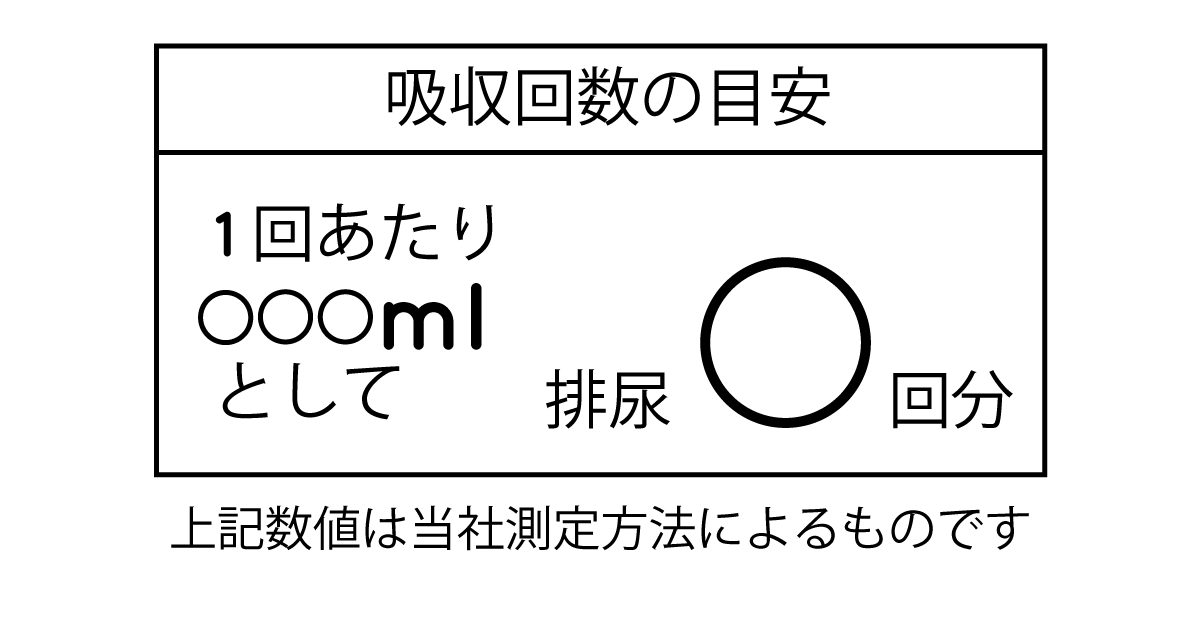
This label expresses indicated absorbency as an approximate number of voids. It is used on retail adult diaper packages in Japan. Read it together with the stated volume per void and the manufacturer’s measurement-method note.
Use these points as a guide when choosing an adult diaper or pad.