English edition of a Japanese guide by Hiroshi Yagi. Japanese original: first published March 25, 2019; updated October 9, 2026. Read the Japanese original (Japanese).
Light incontinence pads are designed for small amounts of urine leakage. This article explains the different shapes for women and men, indicated absorbency, and how to attach them to underwear. It also compares them with menstrual pads and incontinence insert pads.
Types of light incontinence pads
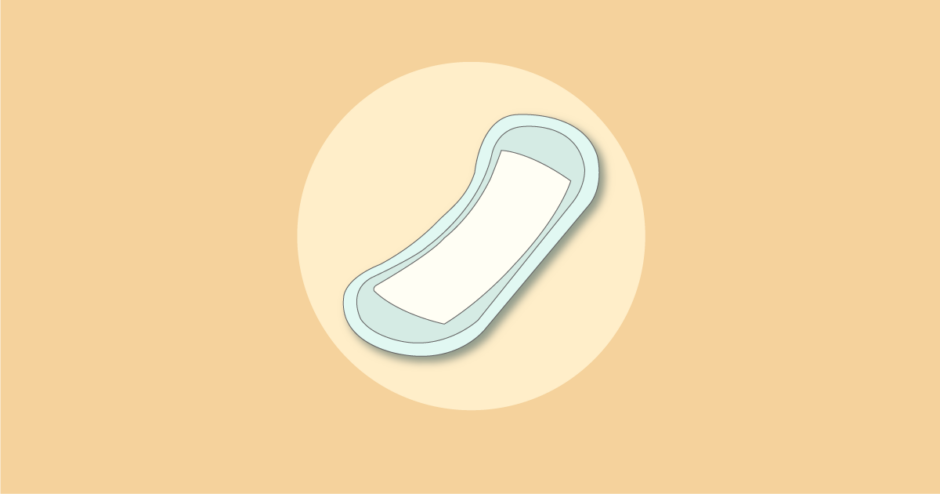
These are disposable pads for urine leakage, rather than menstrual pads. Products for women and men have different shapes. They are compact and convenient to carry.
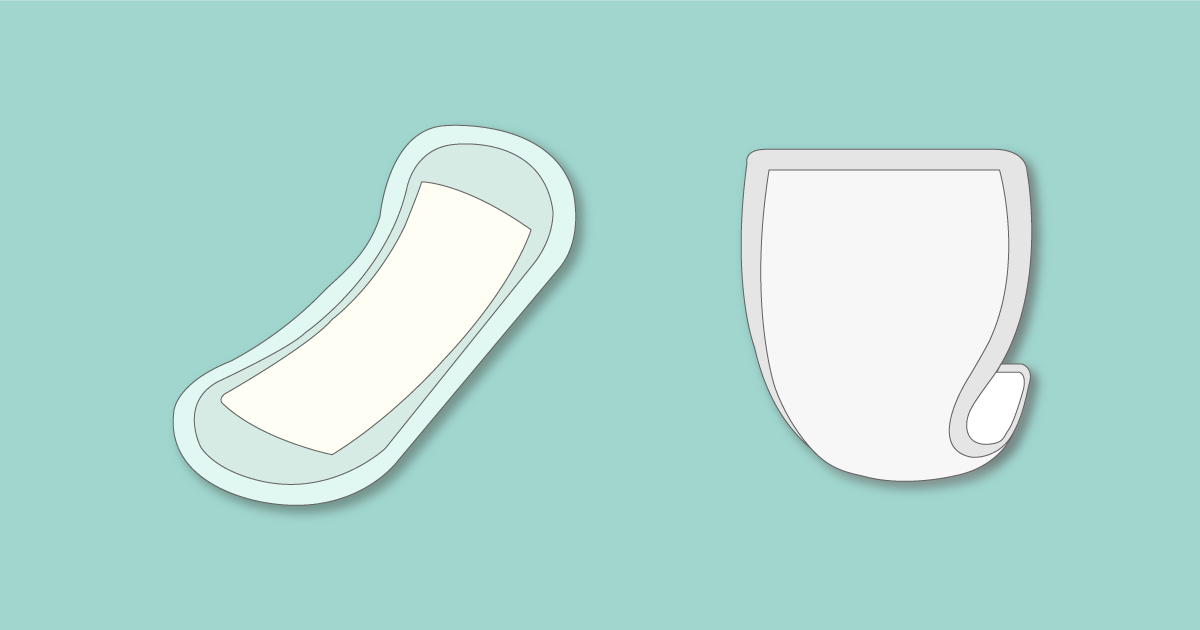
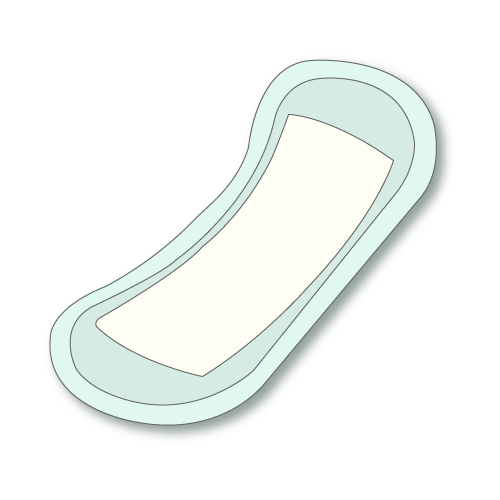
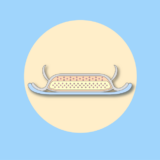
These generally have a long, rectangular shape and attach to the gusset of the underwear. Some have leak guards and others do not.
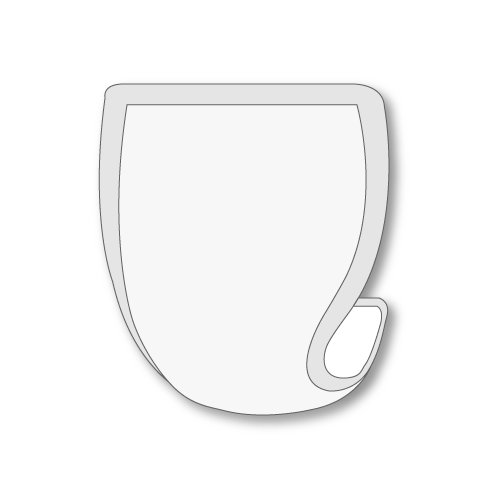
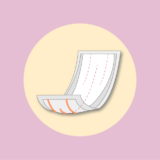
A fan-shaped design with a wider front provides coverage even if the position of the penis shifts slightly. Other shapes are also available.
Absorbency
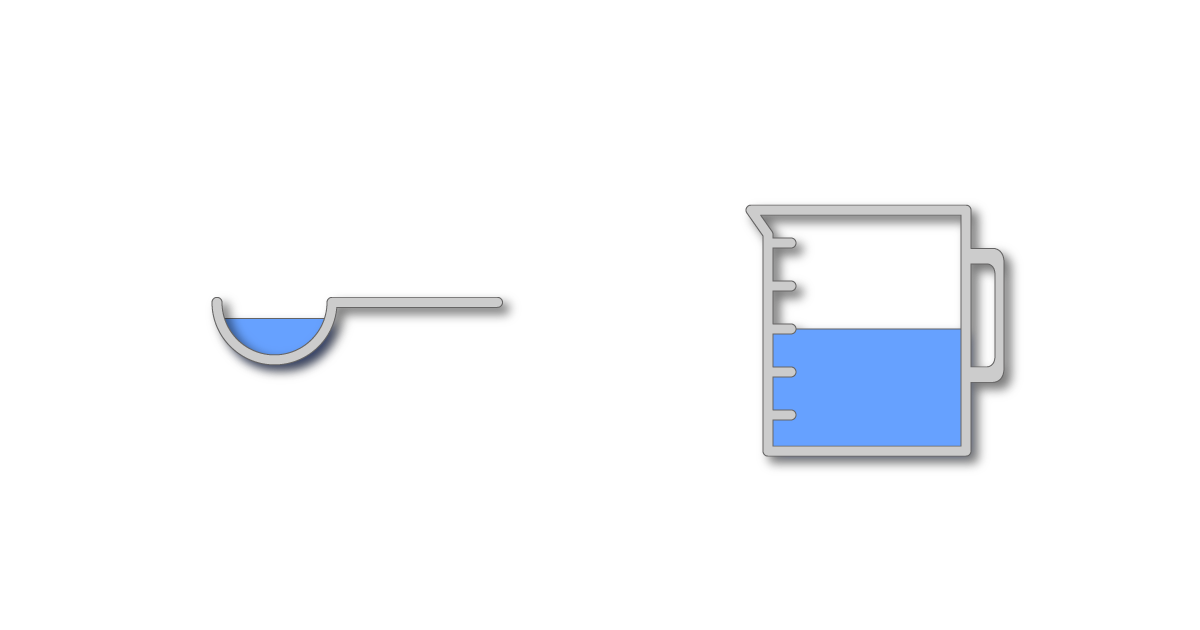
Light incontinence pads absorb smaller amounts of urine leakage.
Indicated absorbency varies by product. Examples range from products for a few cc of leakage to overnight products labeled 350cc. Check the manufacturer’s stated absorbency and instructions, and choose according to the amount of leakage and the situation in which the pad will be used.
Compact and easy to carry
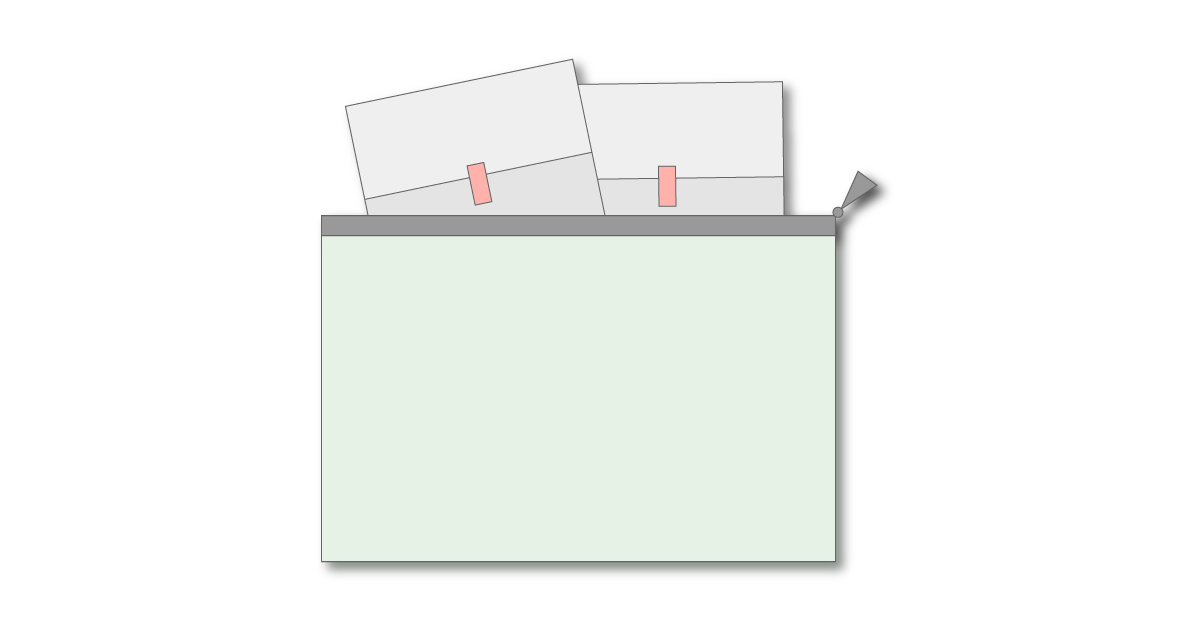
These pads are compact and convenient to carry. Their thin design helps them remain discreet when worn inside underwear.
Odor control
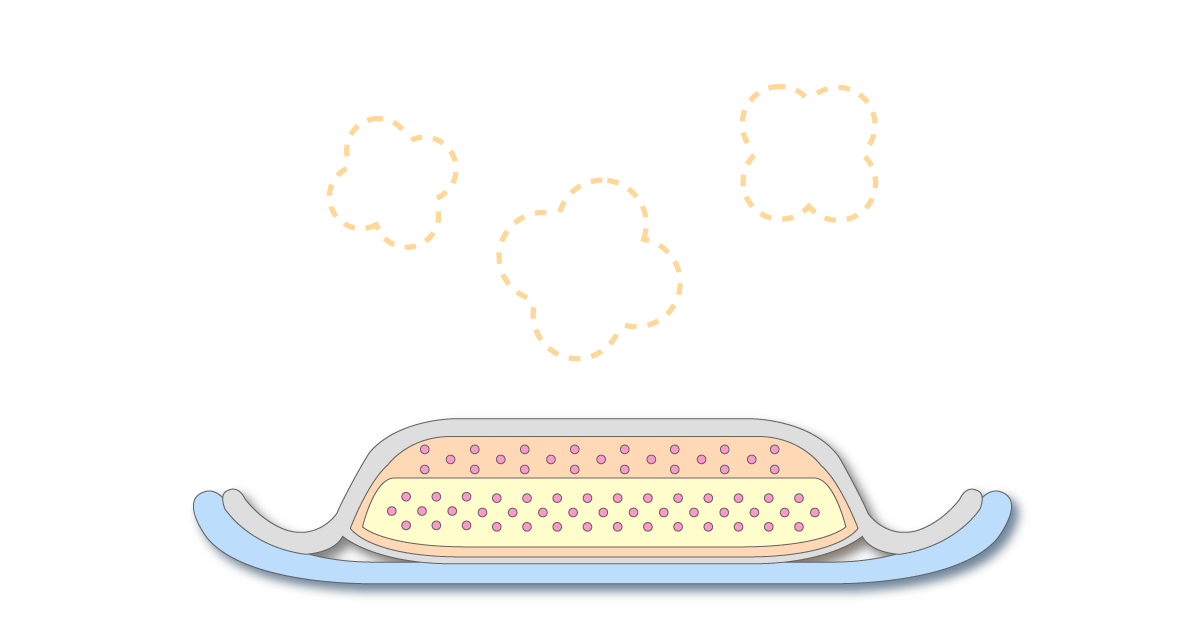
The odor-control function mainly targets ammonia odor. Its effectiveness varies by product.
How to use them
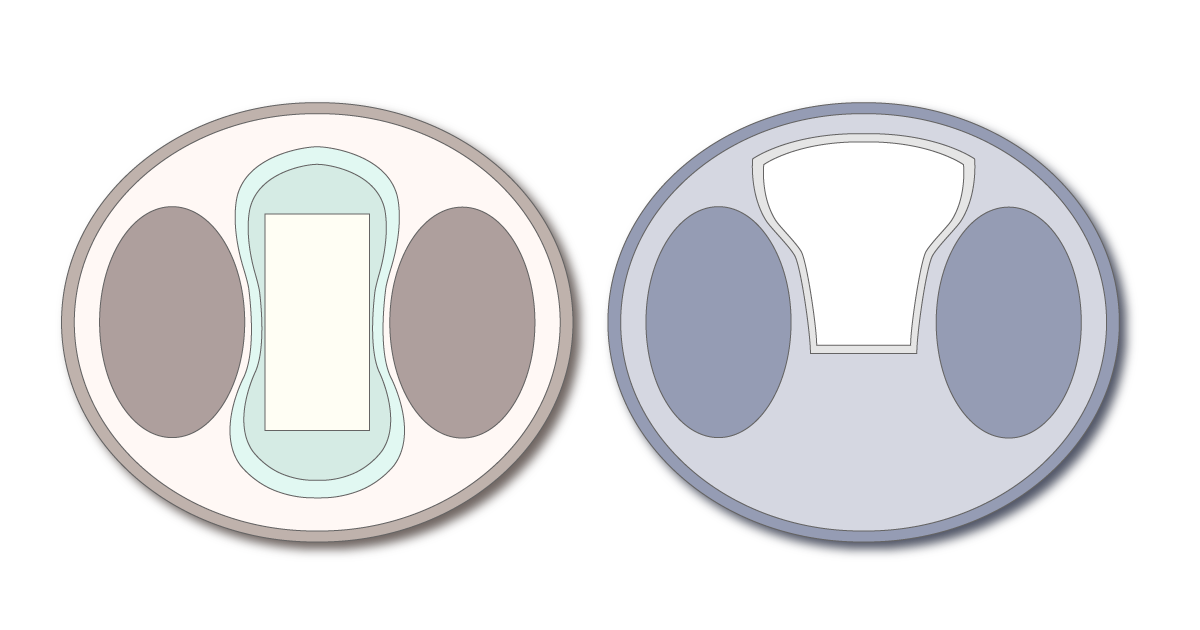
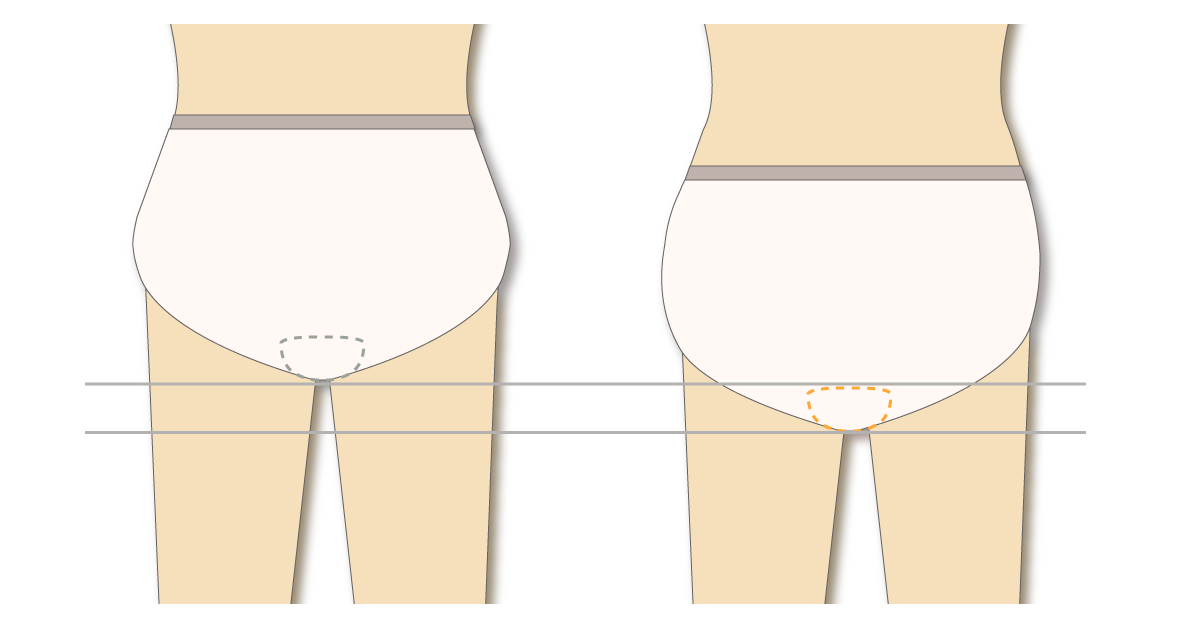
Pads for women are placed along the gusset of the underwear. Pads for men are usually positioned at the front.
If the weight after absorption causes the pad to shift or the underwear to slip down, check the underwear specified for the product, or whether it can be combined with compatible pad-holding underwear.
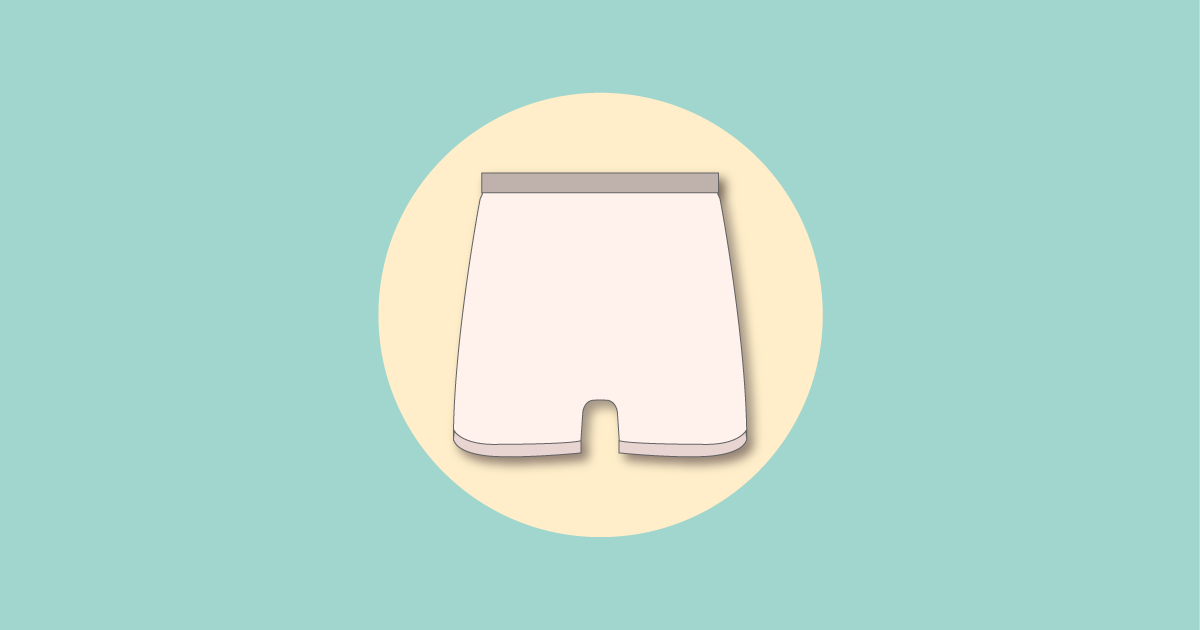 Pad-holding underwear: types, combinations and precautions [2026]
How they differ from menstrual pads
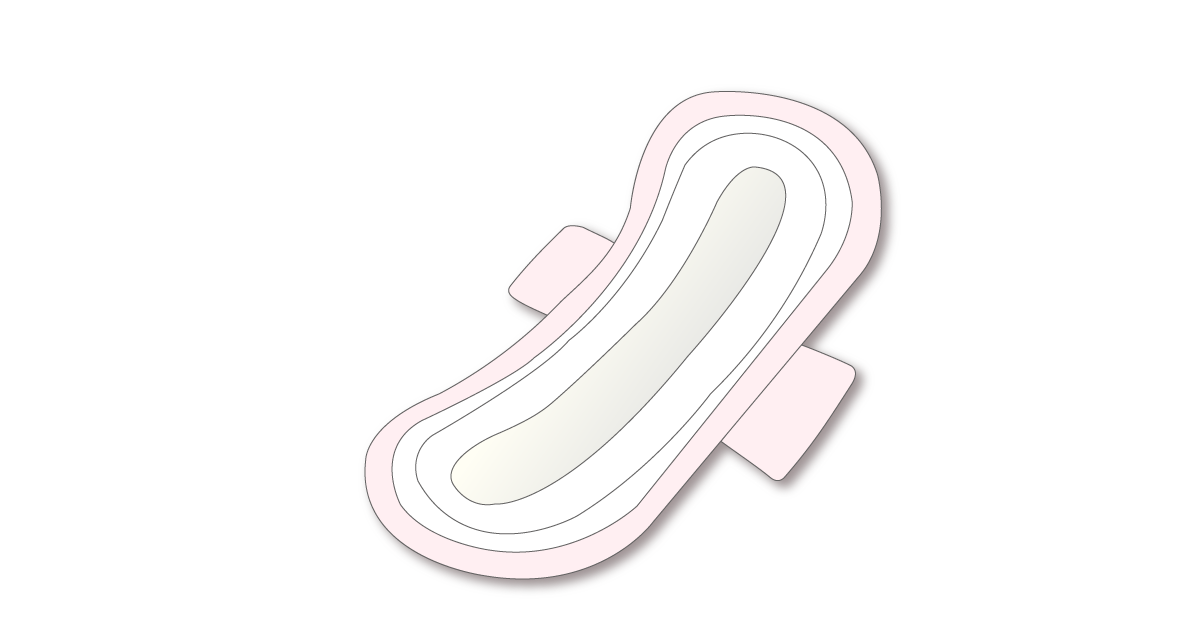
Menstrual pads are designed to absorb menstrual blood rather than urine. Using them as a substitute for urine-leakage pads can make leakage more likely. For light urine leakage, use light incontinence pads.
How they differ from incontinence insert pads
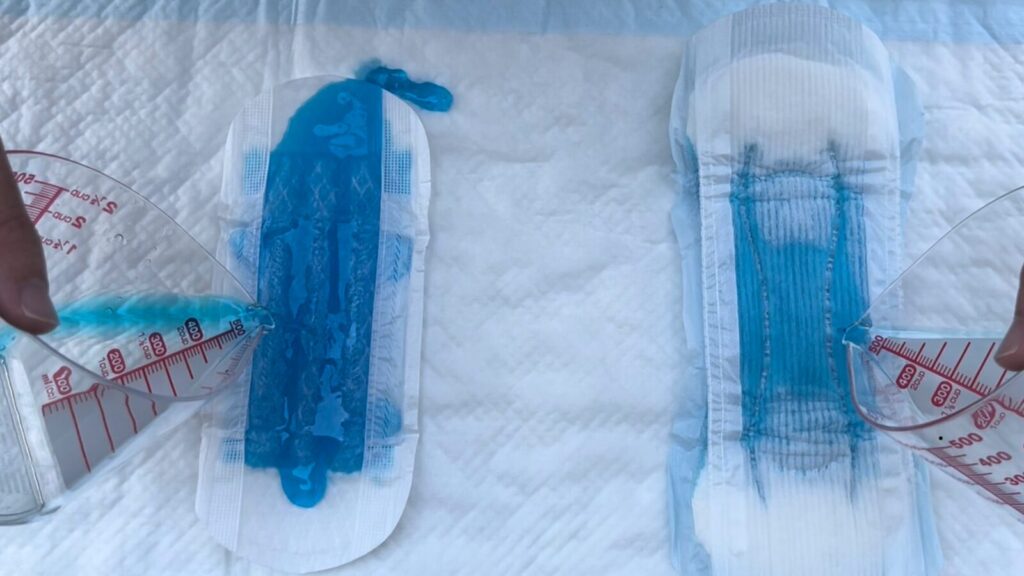

Light incontinence pads are intended for smaller amounts of leakage. They may not cope with a large amount released all at once. If the amount in a single episode is larger, consider an incontinence insert pad with suitable absorbency.
How to choose light incontinence pads
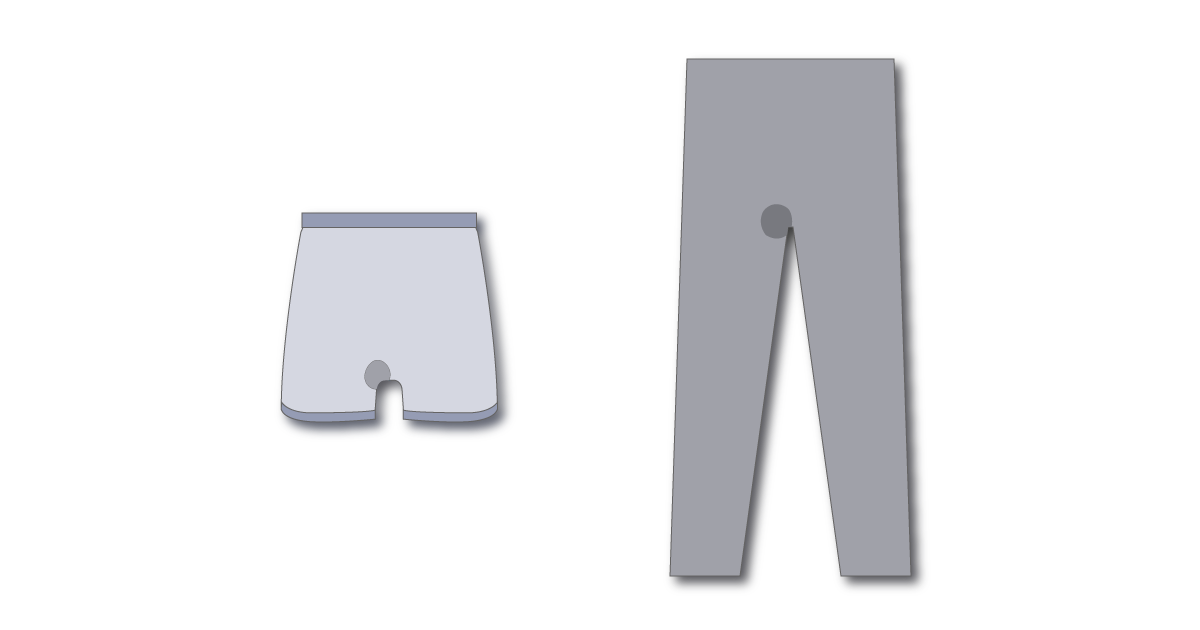
These pads may suit small leaks or dribbling after urination that leave marks on underwear, or slight marks on trousers.
As a rough guide in this article, consider a product labeled for light leakage if staining is limited to underwear. If it reaches the trousers, consider a product labeled for moderate to heavier leakage.
If leakage leaves a larger wet area on the trousers, consider an incontinence insert pad with greater absorbency.
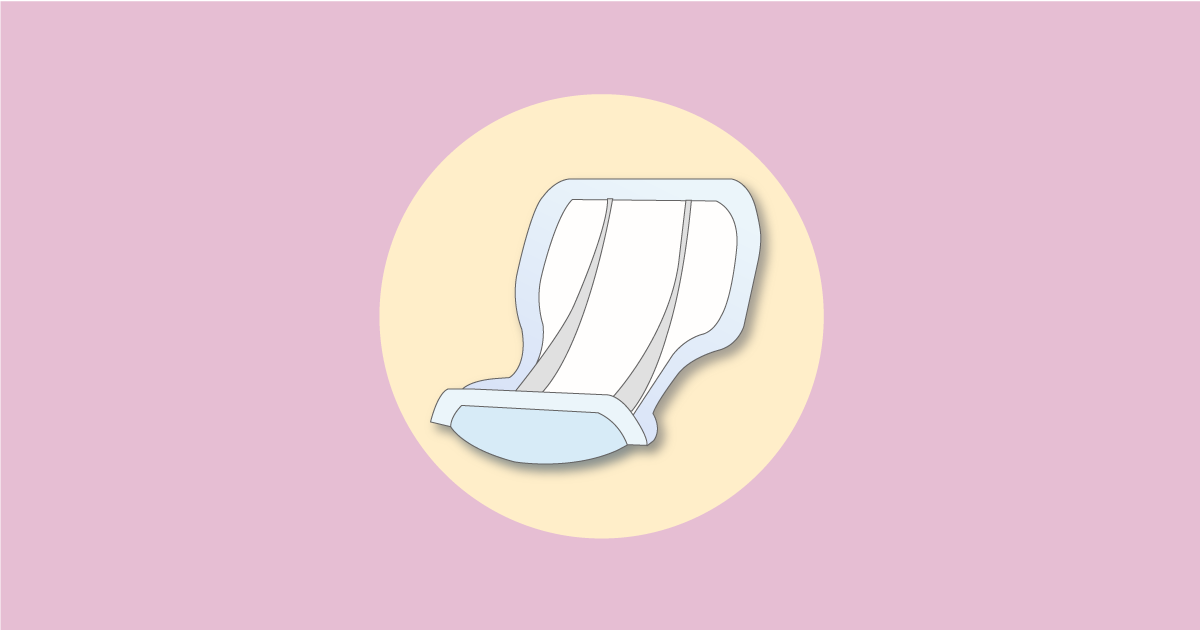 Incontinence insert pads: types, absorbency and use [2026]
Small leaks and dribbling after urination
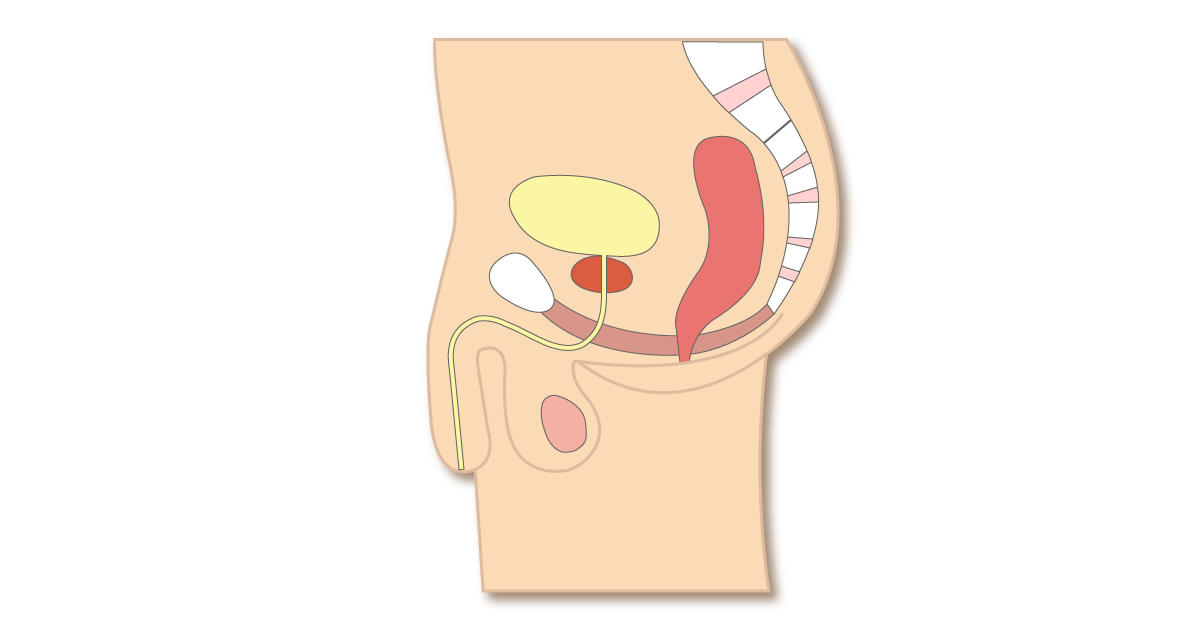
Women may experience leakage when abdominal pressure increases, such as when coughing or sneezing. Men may experience dribbling after urination when urine remaining in the urethra leaks out.
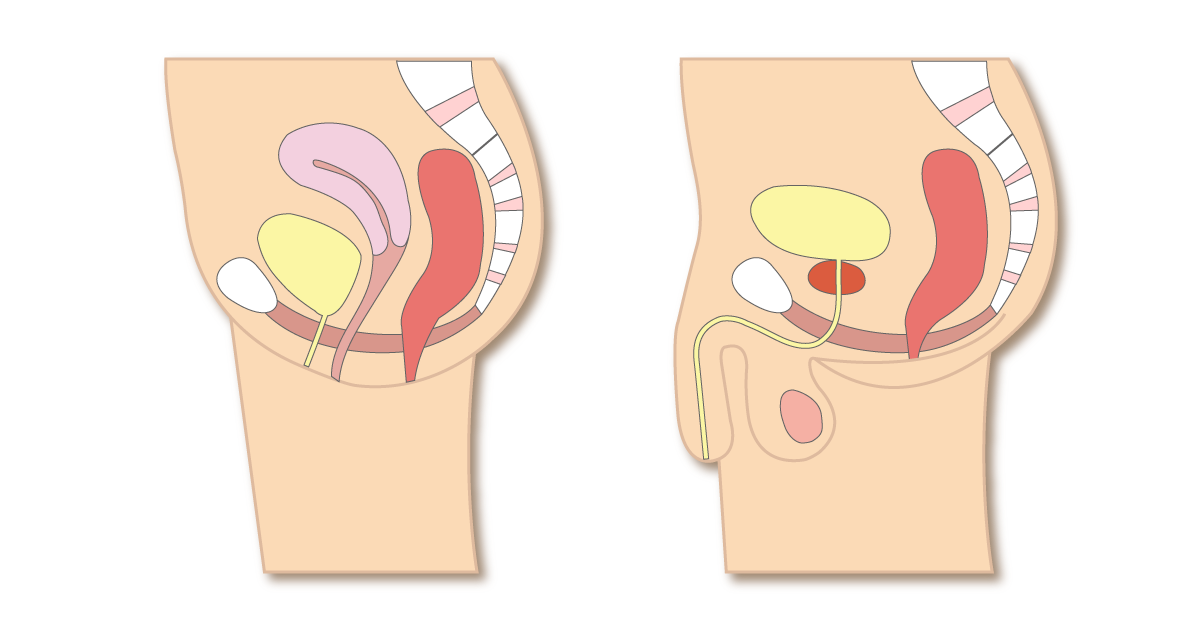
The anatomy of the urethra and surrounding structures differs between women and men, but urethral length alone does not determine the cause of leakage. Stress urinary incontinence, which can occur with coughing or sneezing, involves factors such as support for the urethra and the pelvic floor muscles. Men may also experience a small amount of urine leaking from the urethra after urination. Both women and men can have different types of leakage, including leakage associated with a strong urge to urinate, so choose products and ways of managing it that suit the symptoms.
Managing urine leakage
For small leaks associated with coughing or sneezing in women, or dribbling after urination in men, light incontinence pads are one option I recommend.
Urine leakage may improve. As well as using light incontinence pads, consider consulting a urologist.