English translation of an article originally published in Japanese on April 24, 2019. Read the Japanese original (Japanese). Product information and dates refer to the original article. Images and manufacturer videos may contain Japanese.
Urinals are aids for urination when getting to the toilet is difficult. The main types are handheld bottles, hose-connected urinals and automatic suction urinals. They differ in opening shape, urine capacity and ease of emptying and cleaning. This illustrated guide explains male and female designs, selection, use and care.
Types of urinals
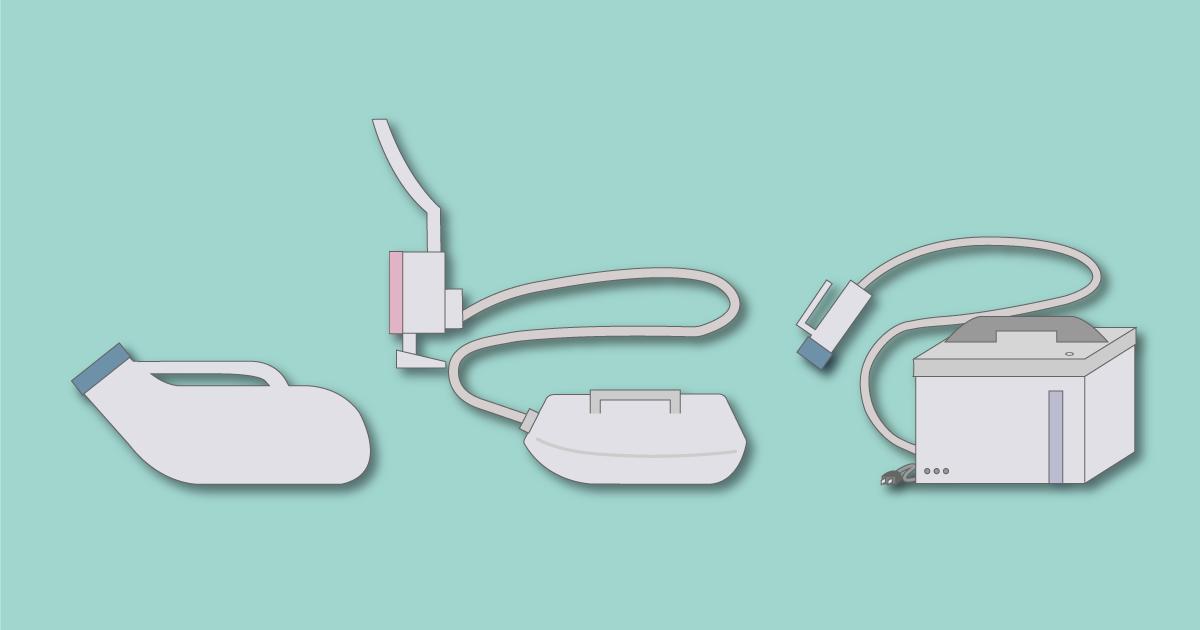
Types include handheld bottles, hose-connected urinals and automatic suction urinals.
Handheld urinal bottles
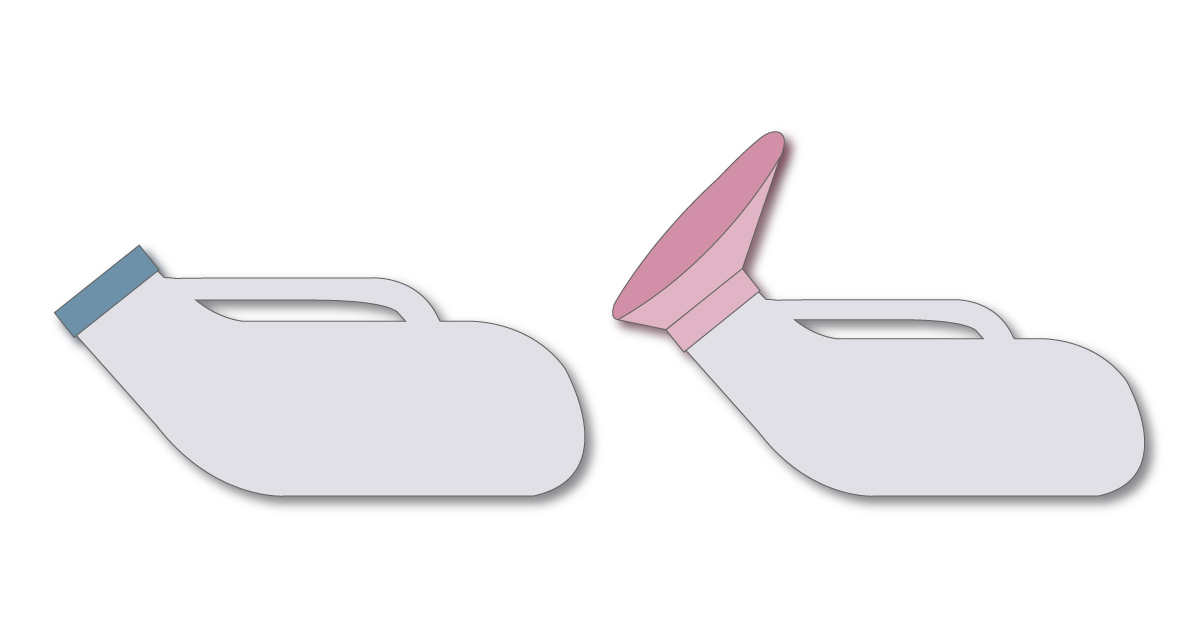
These have a simple construction, with different opening shapes for men and women. Capacity is relatively small, so they need frequent emptying.
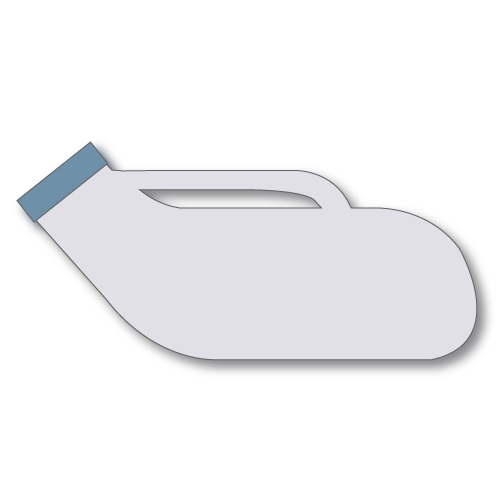
A simple shape. Some products have a soft opening. They come with a lid.
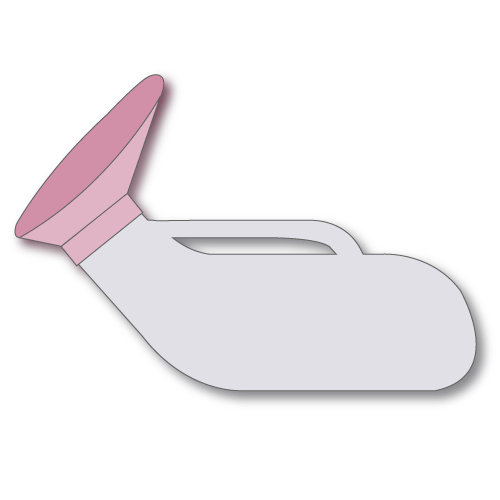
A wide, soft opening. Various opening shapes are available to suit different body shapes.
Hose-connected urinals
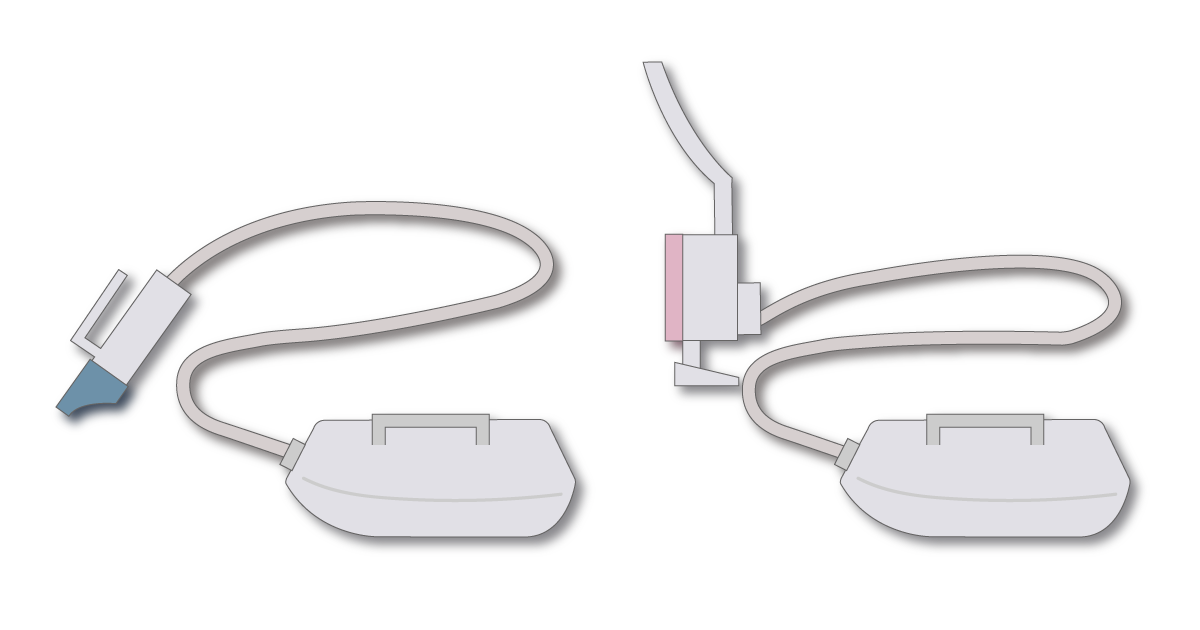
The opening and tank are connected by a long hose. A large-capacity tank sits on the floor, and the opening must be higher than the tank to allow urine to flow through the hose. Cleaning the hose is a drawback. Individual replacement parts may be available.
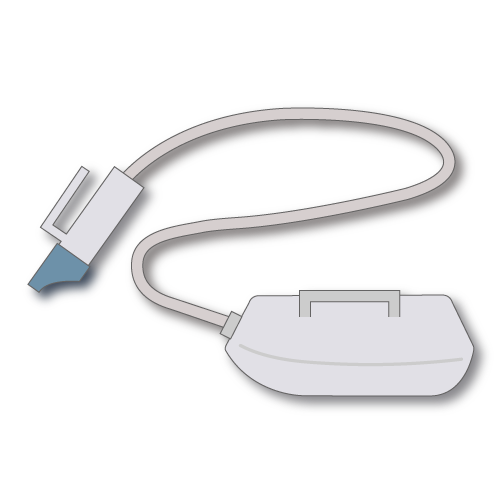
Some male products have a tubular opening. Suitable postures and the arrangement of the hose and tank vary by product. Gravity-fed designs need sufficient height difference; automatic suction models must be installed according to their instructions. For side-lying use, check that the product supports this position and place the opening to avoid leaks.
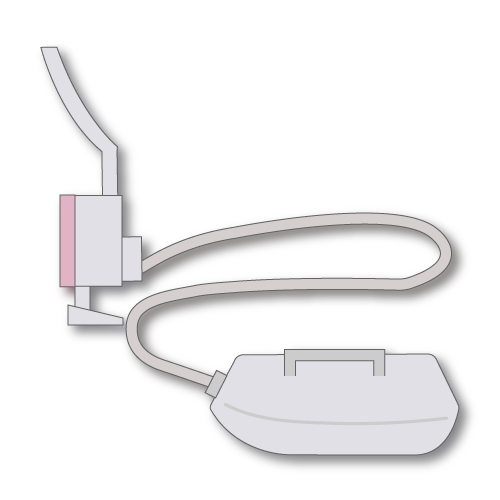
The opening is shaped to fit the body. Some openings have adjustable height. Using them takes practice.
Automatic suction urinals
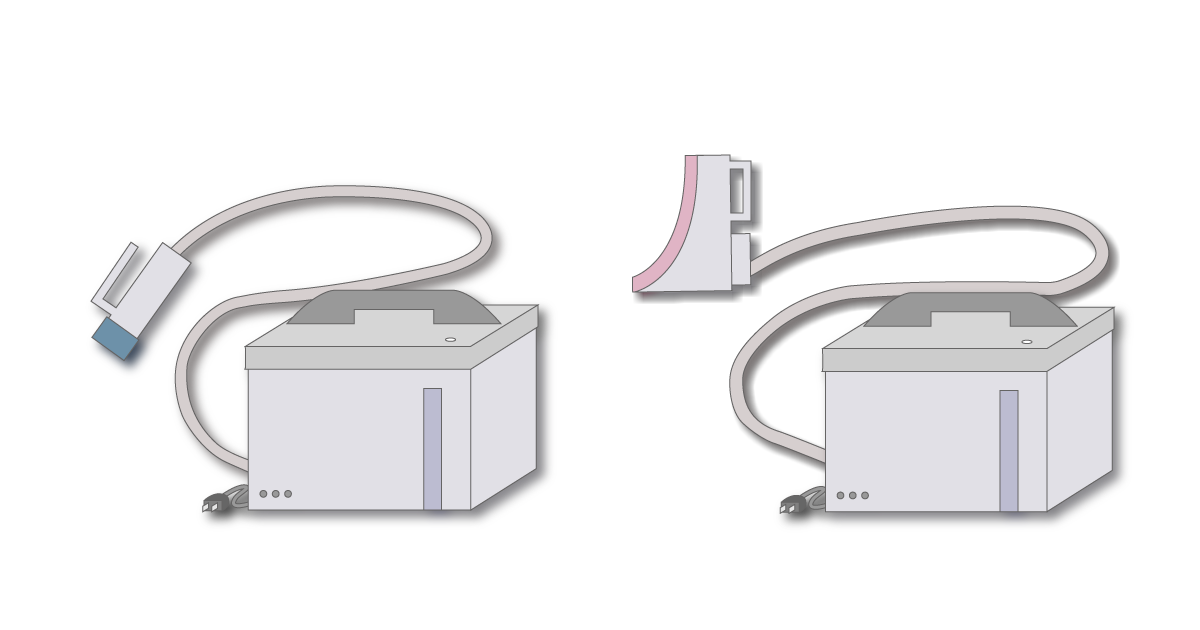
A sensor at the opening activates automatic suction. The tank has a large capacity. Products with long hoses or built-in batteries offer relatively flexible positioning. Some include deodorizing functions. Cleaning and operating noise are drawbacks.
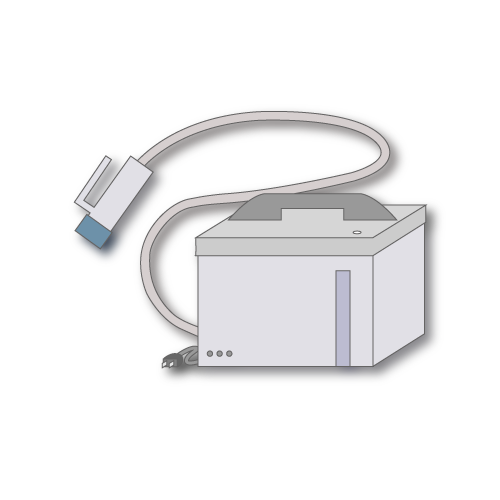
Some male products have a tubular opening. Suitable postures and the arrangement of the hose and tank vary by product. Gravity-fed designs need sufficient height difference; automatic suction models must be installed according to their instructions. For side-lying use, check that the product supports this position and place the opening to avoid leaks.
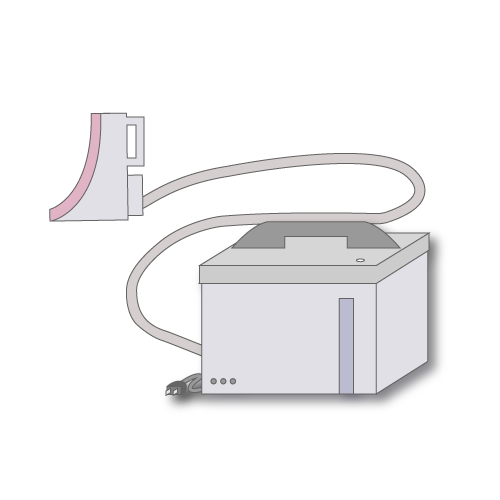
Some female models have openings with long handles. Check the opening’s fit and the intended posture as well as suction performance. Practice positioning it when first using it. If urine leaks, review the opening’s position and the condition of the equipment.
Reference Scat CleanParamount Bed official website
Advantages and disadvantages of urinals
People who cannot walk to the toilet can urinate elsewhere. Urinals expose a smaller area of skin to urine than diapers. With diapers, a larger area and longer duration of contact can contribute to skin problems.
Collected urine must be taken to the toilet for disposal. Urinals become soiled and need cleaning.
Choosing a urinal
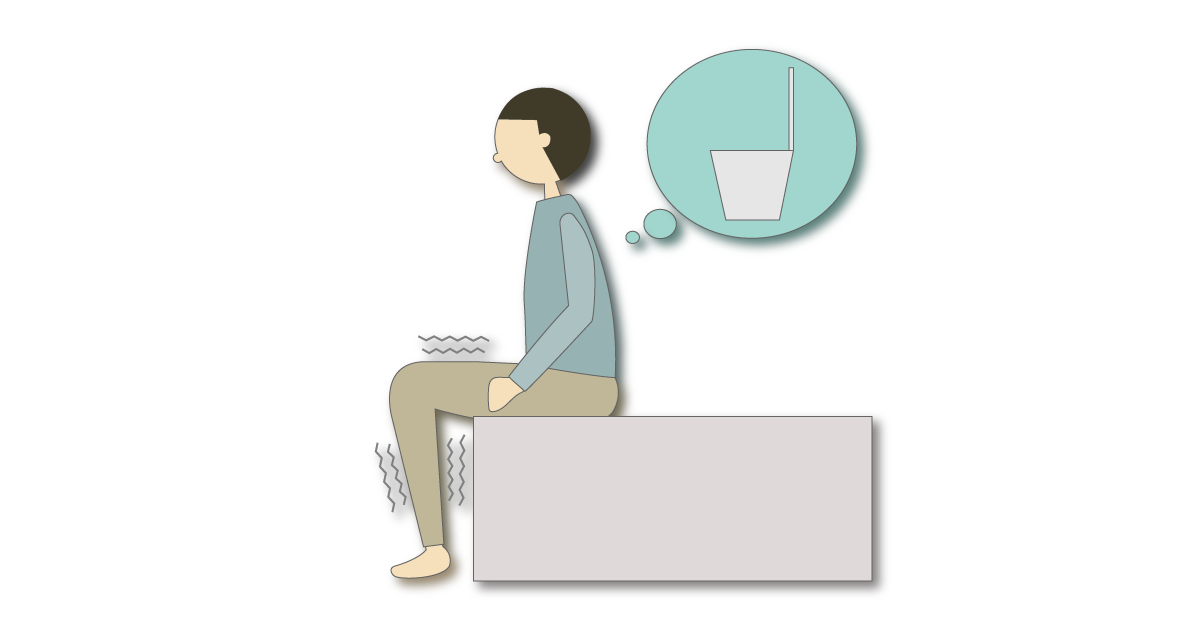
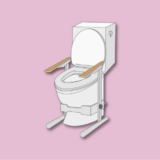
Urinals are used by people whose leg or back weakness prevents them from reaching the toilet in time, or who need rest, among others. If getting to the toilet is a concern but the person can stand, consider a portable toilet.
 Choosing and Using a Bedside Commode Without Relying Only on Diapers [2026 Guide]
Choosing a handheld urinal bottle
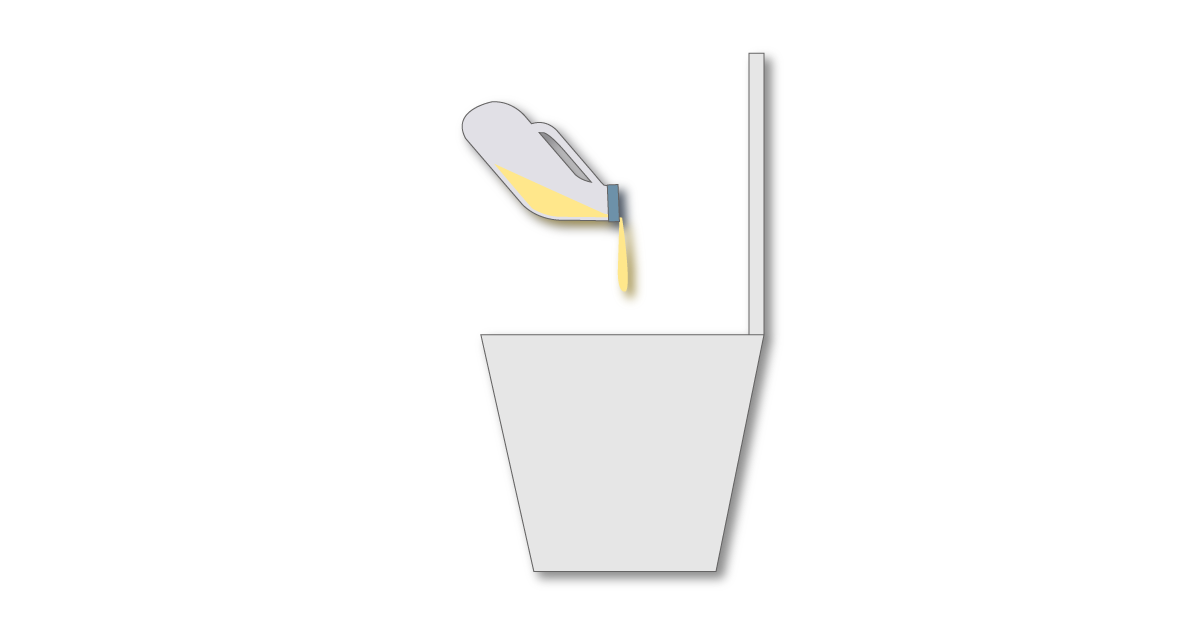
Handheld bottles have limited collection capacity and suit people who can empty them frequently.
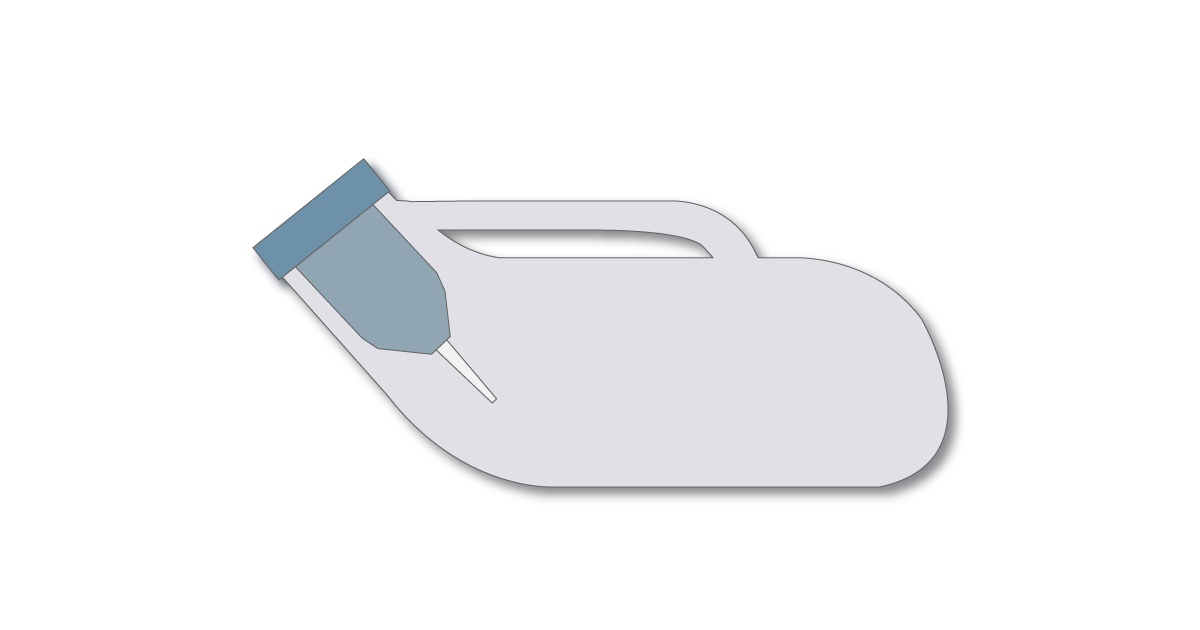
Some products have a backflow prevention valve, which is reassuring when carrying or tilting the bottle. However, removing the lid to empty the urine requires strength.
Reference Ko-Borenu for MenPip official website
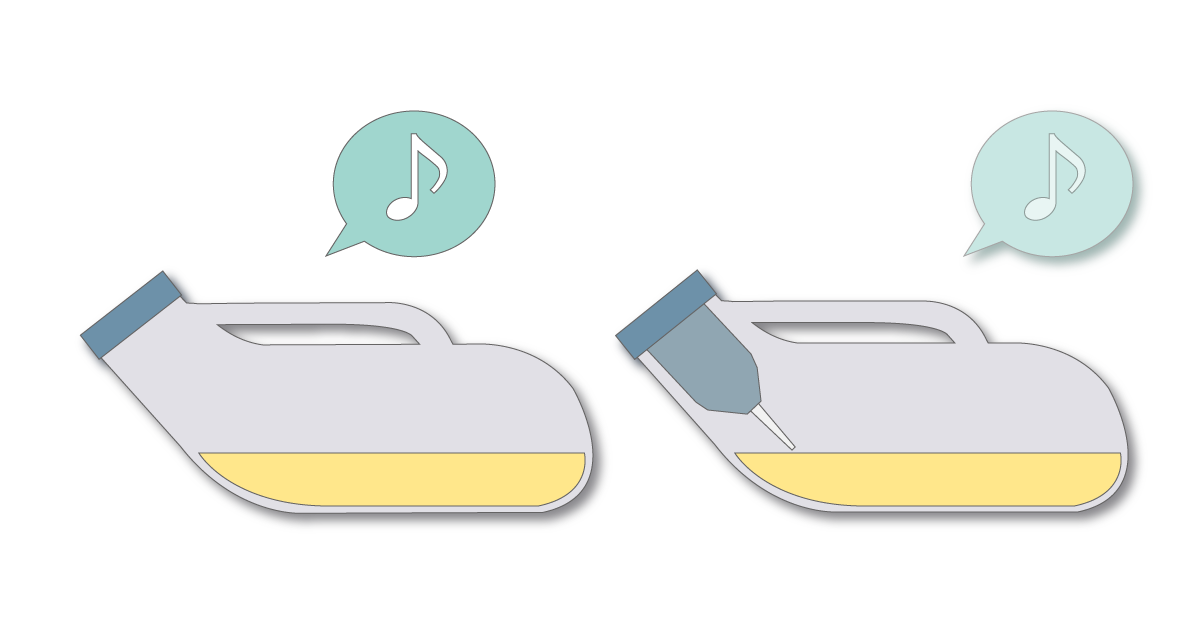
Some products use materials that reduce the sound of urination.
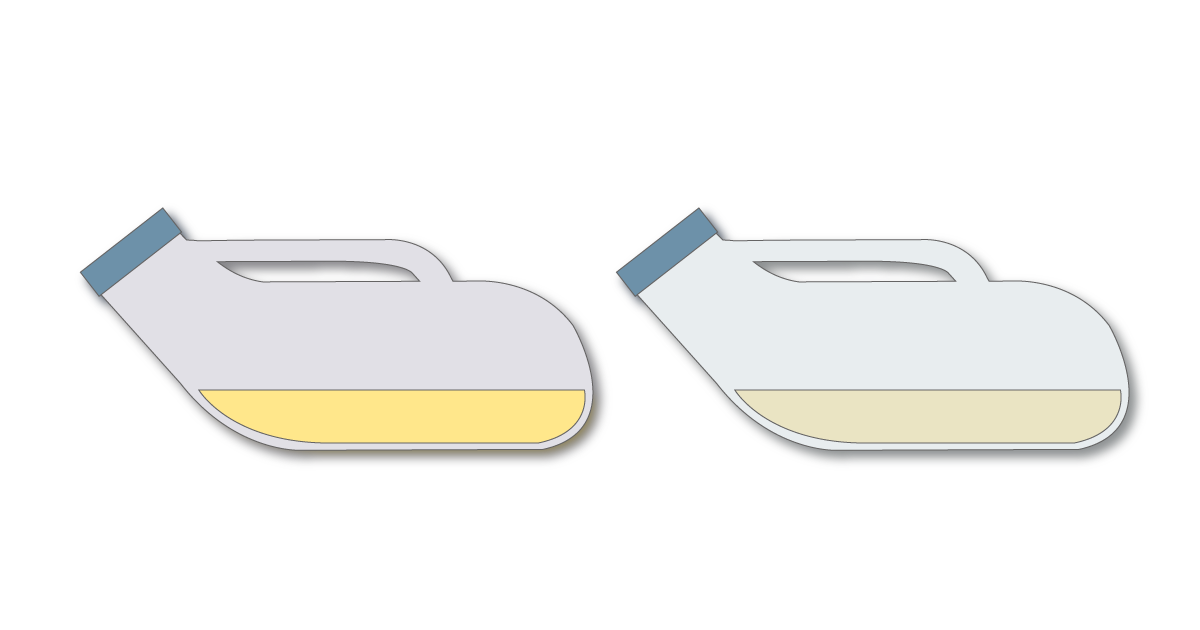
Transparent containers make it easier to observe the urine and check health-related changes. Some people do not want their urine to be visible, so transparent models with covers are also available.
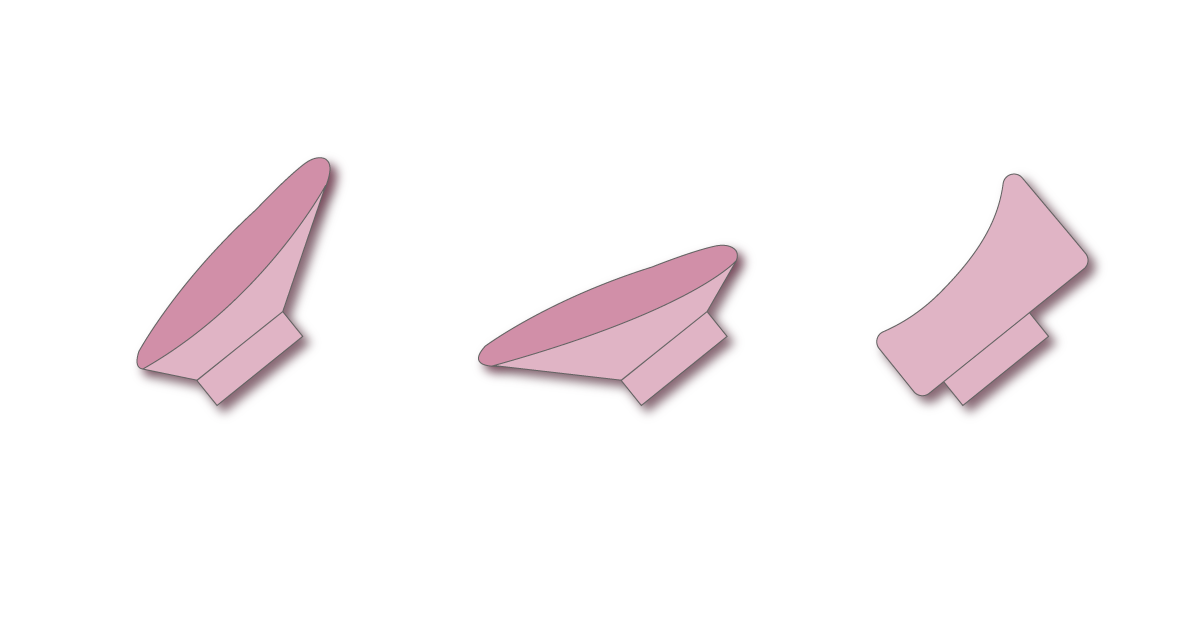
Choose an opening that fits the body.
Choosing a hose-connected or automatic suction urinal
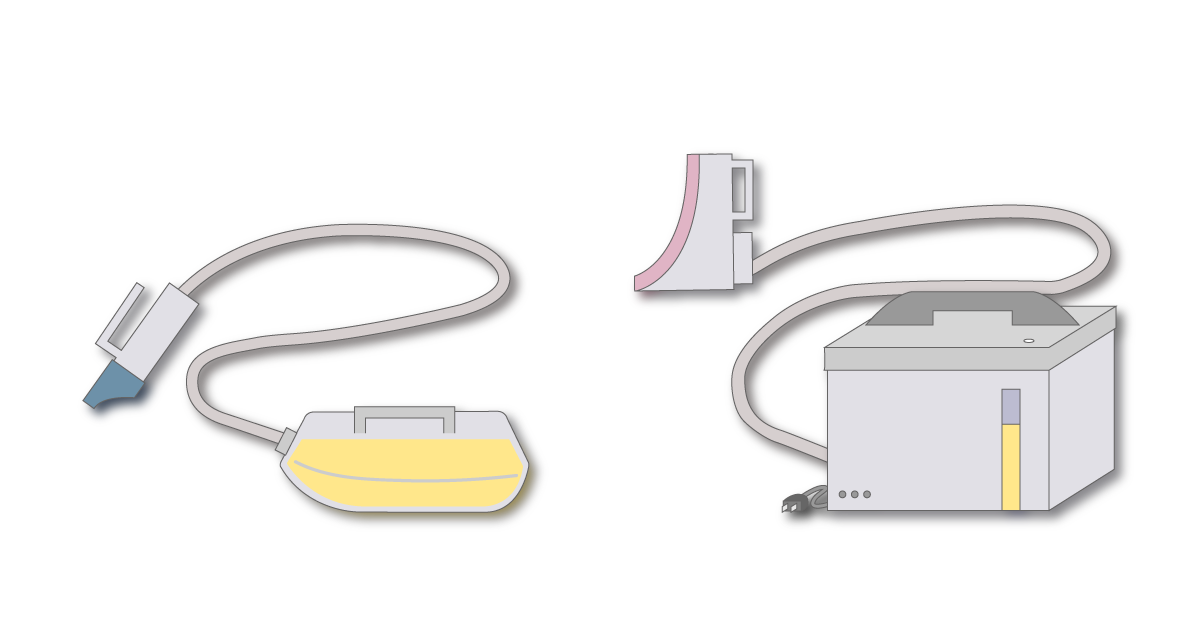
Hose-connected and automatic suction urinals hold more urine, allowing disposal later. With a gravity-fed hose urinal used by someone sleeping at floor level, insufficient height difference may leave urine in the hose or cause backflow and overflow. If there is no height difference, an automatic suction model is recommended.
Use by men
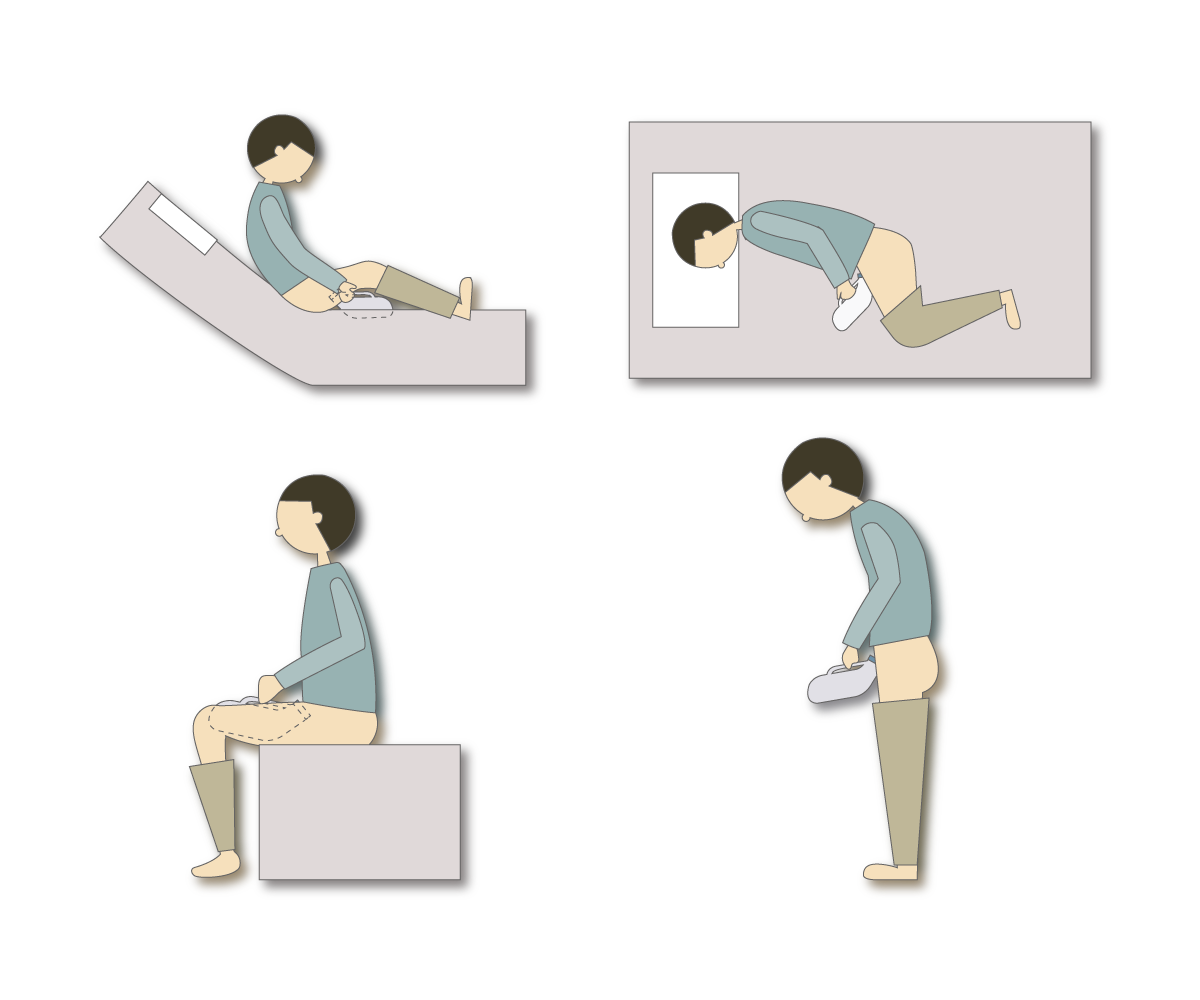
• Side-lying
• Sitting
• Standing
Men can also use a urinal while lying on their side.
Use by women
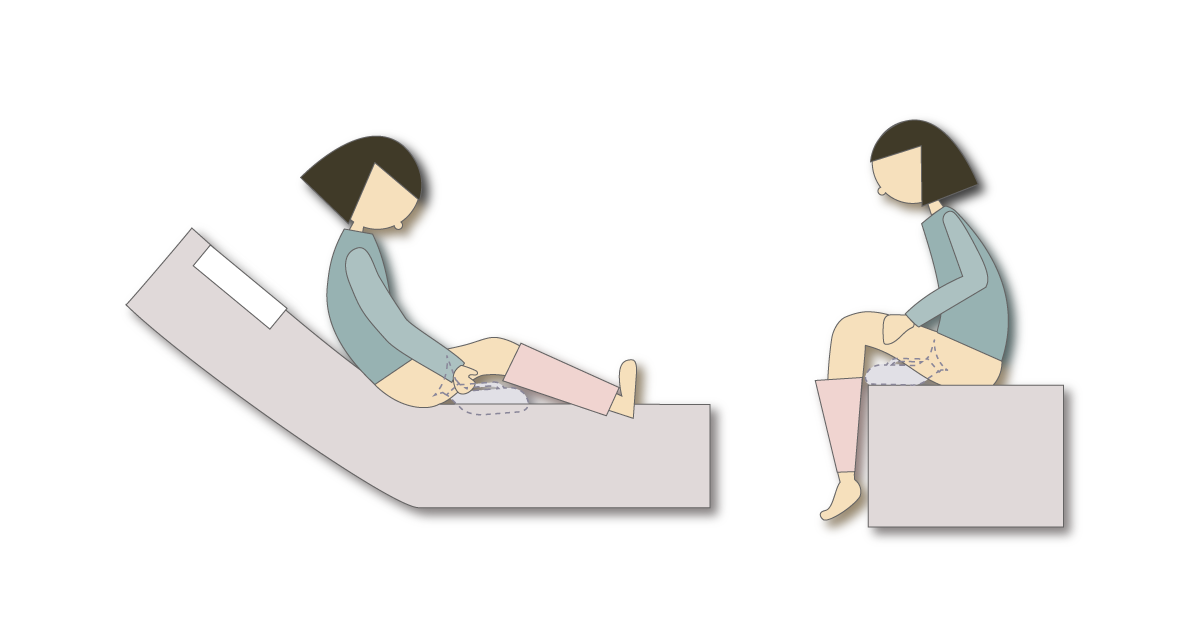
• Sitting

If the person cannot position the opening properly, provide assistance.
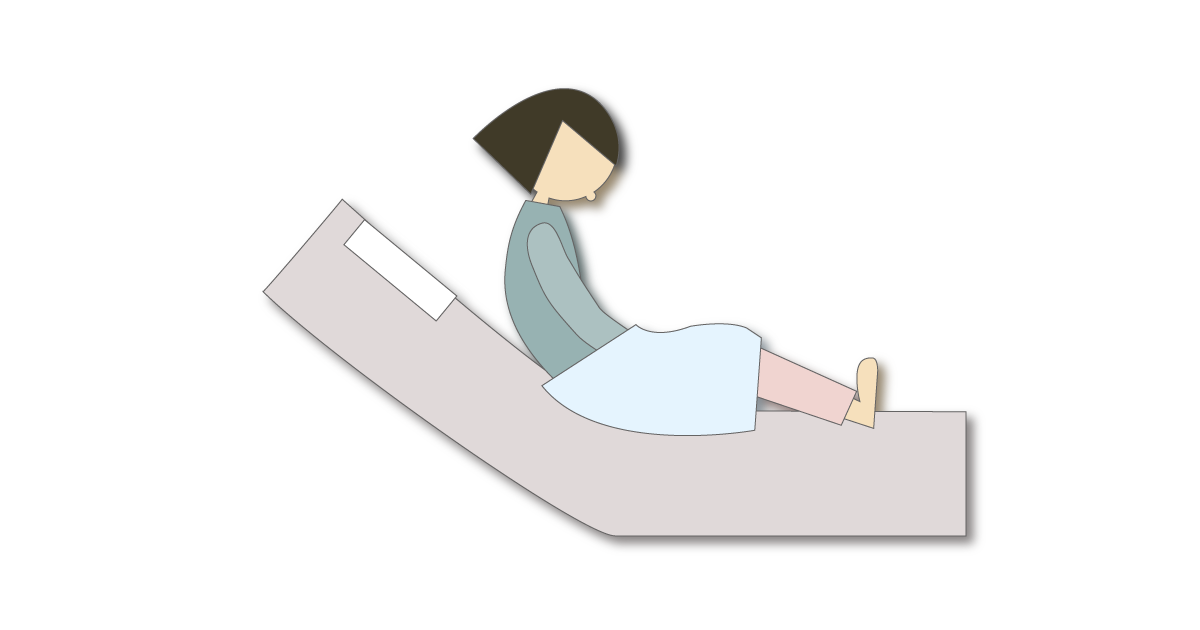
Respect privacy during urination, for example by covering the person with a bath towel. If they can hold the opening in place themselves, leaving the room can help them feel at ease.
Accessories that help with urinal use
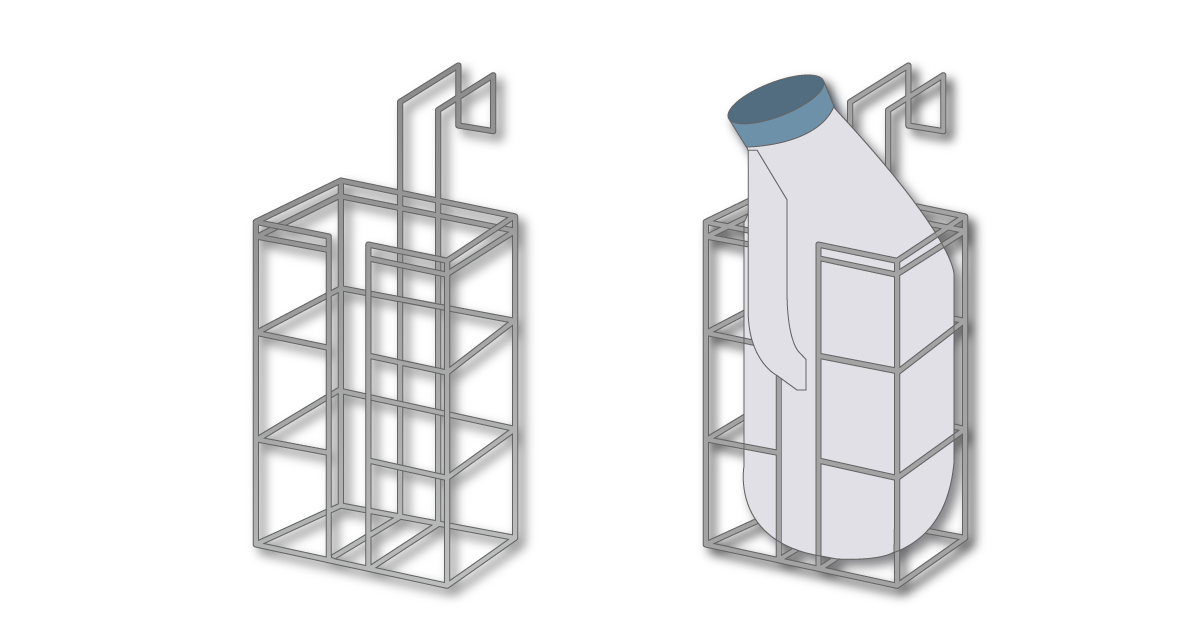
Hanging a holder on a bed rail is convenient.
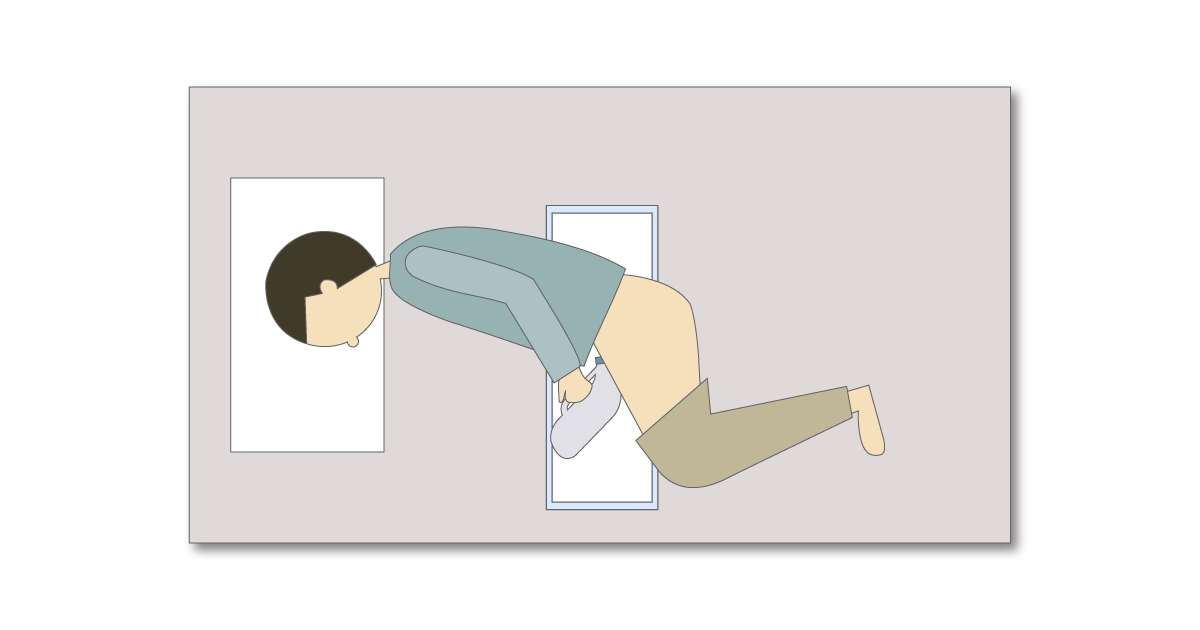
Minor leaks may occur. Placing an absorbent sheet or flat adult diaper underneath can help catch them.
 Flat adult diapers and sheets: uses, absorbency and layering precautions [2026]
Caring for a urinal
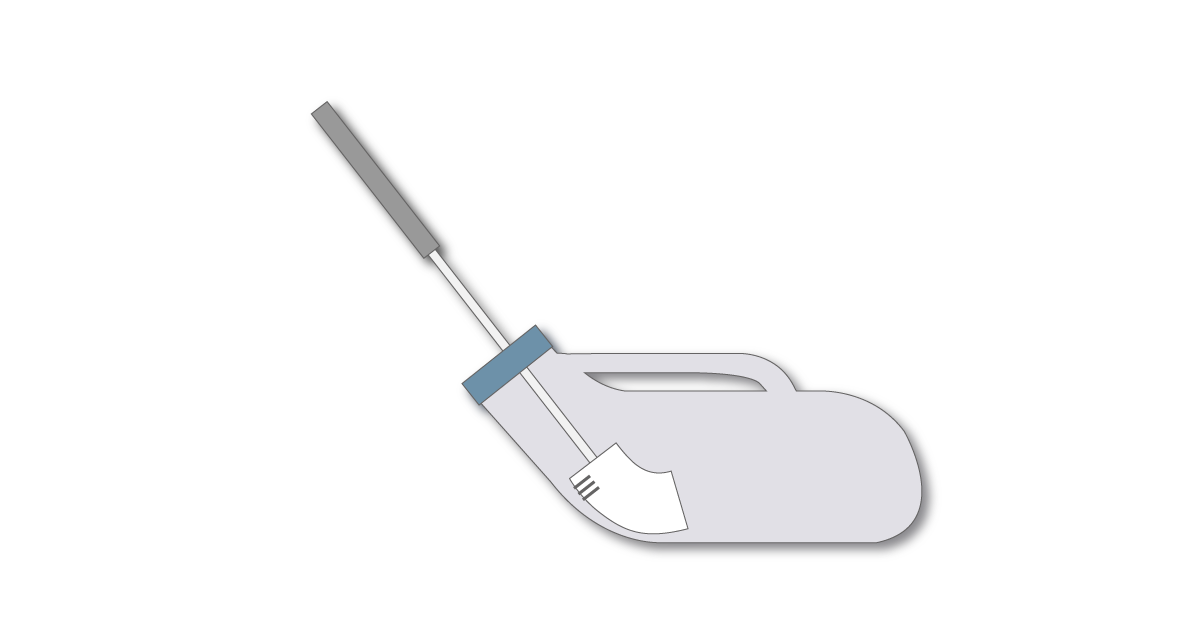
Urinals become soiled and need cleaning. Handheld bottles are relatively easy to maintain. Hose-connected and automatic suction models are harder to clean. Follow each product’s instructions.
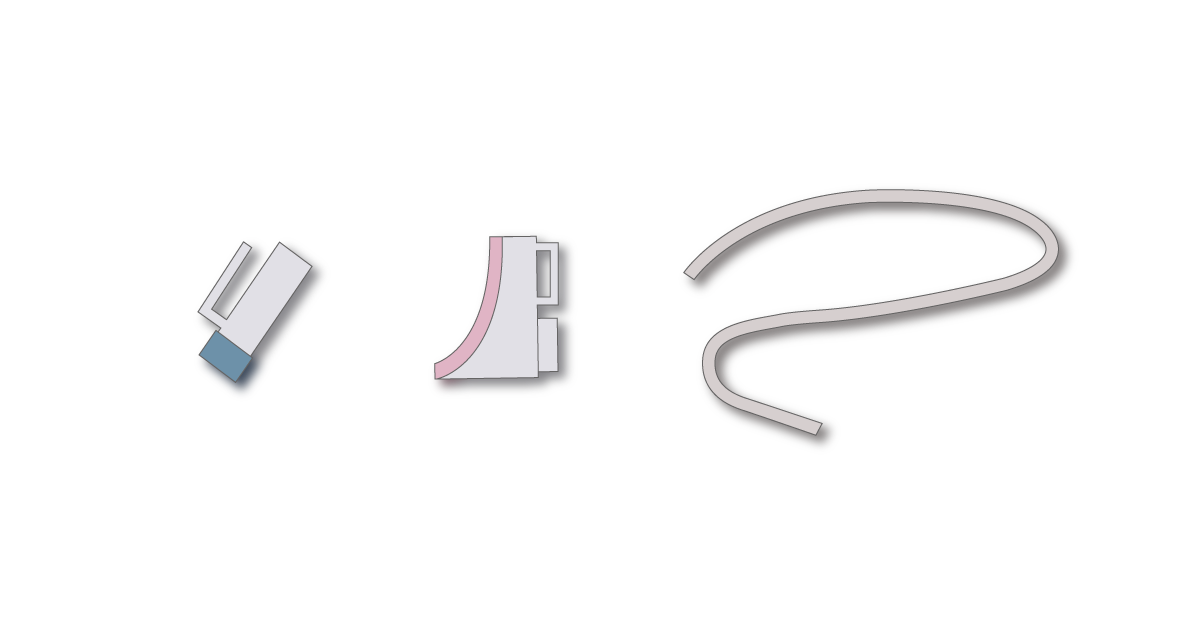
Some urinal parts are difficult to clean. Individually sold parts may be available for replacement.
Automatic suction urinals and long-term care insurance
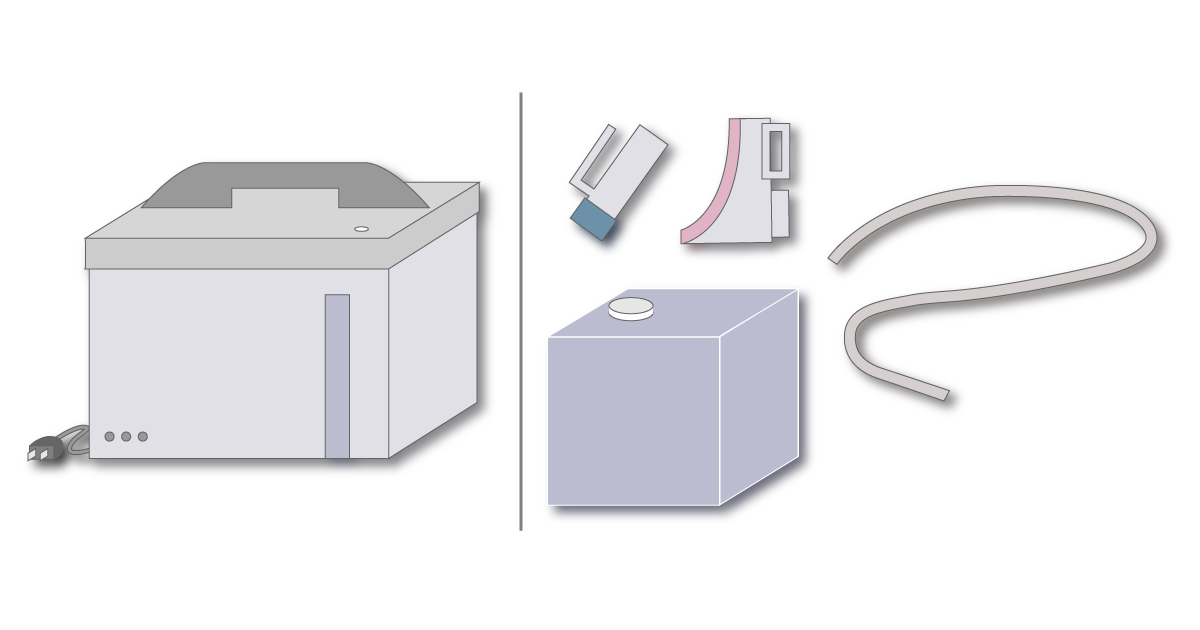
Under Japan’s long-term care insurance, the main unit of an automatic excretion processing device is eligible for assistive-equipment rental. Eligibility conditions vary by certified care level and product type. Replaceable parts such as receivers, tubes and tanks fall under designated assistive-equipment purchases. Before use, check with a care manager or an assistive-equipment rental or sales provider. Ministry of Health, Labour and Welfare guidance on assistive equipment and home modifications

Urinals are another option alongside diapers.