English translation of an article originally published in Japanese on June 2, 2019. Read the Japanese original (Japanese). Product information and dates refer to the original article. Images and manufacturer videos may contain Japanese.
Even when reaching the toilet becomes difficult, assistive equipment may help a person continue using it. Electric care beds, wheelchairs and positioning aids can also reduce the burden of diaper changes. This article reviews the 13 categories of assistive equipment rentable under Japan’s long-term care insurance from the perspective of continence care, introducing equipment for getting to the toilet, sitting and standing, and changing diapers. Eligibility varies by certified care level and other conditions, so check with a care manager or specialist assistive-equipment adviser before use.
What is assistive-equipment rental?
Japan’s long-term care insurance subsidizes part of the cost of renting eligible assistive equipment. There are 13 categories.
The 13 categories eligible for rental
- Wheelchairs
- Wheelchair accessories
- Special care beds
- Special care bed accessories
- Pressure injury prevention equipment
- Repositioning aids
- Handrails
- Ramps
- Walkers
- Walking sticks and canes
- Wandering detection devices for older people with dementia
- Transfer lifts (excluding slings)
- Automatic excretion processing devices
Rental equipment related to toileting
Here are the rental categories in relation to toileting.
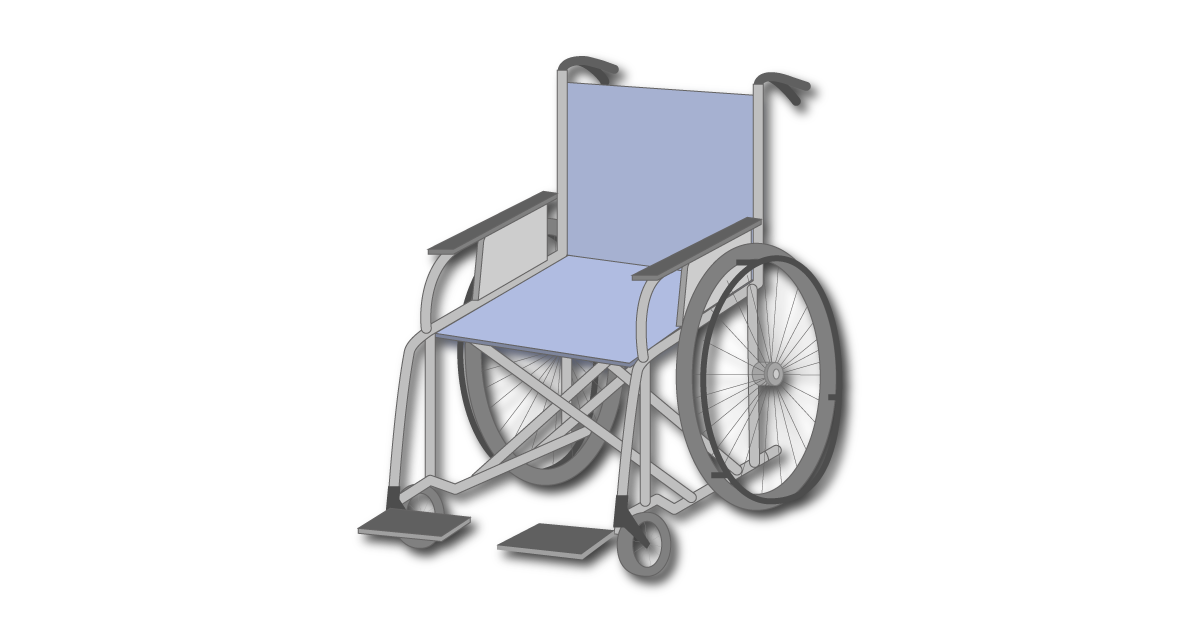
Used when a person cannot walk to the toilet. Both self-propelled and attendant-propelled models are available; attendant-propelled models are more compact. Choose with the route and environment around the toilet in mind.
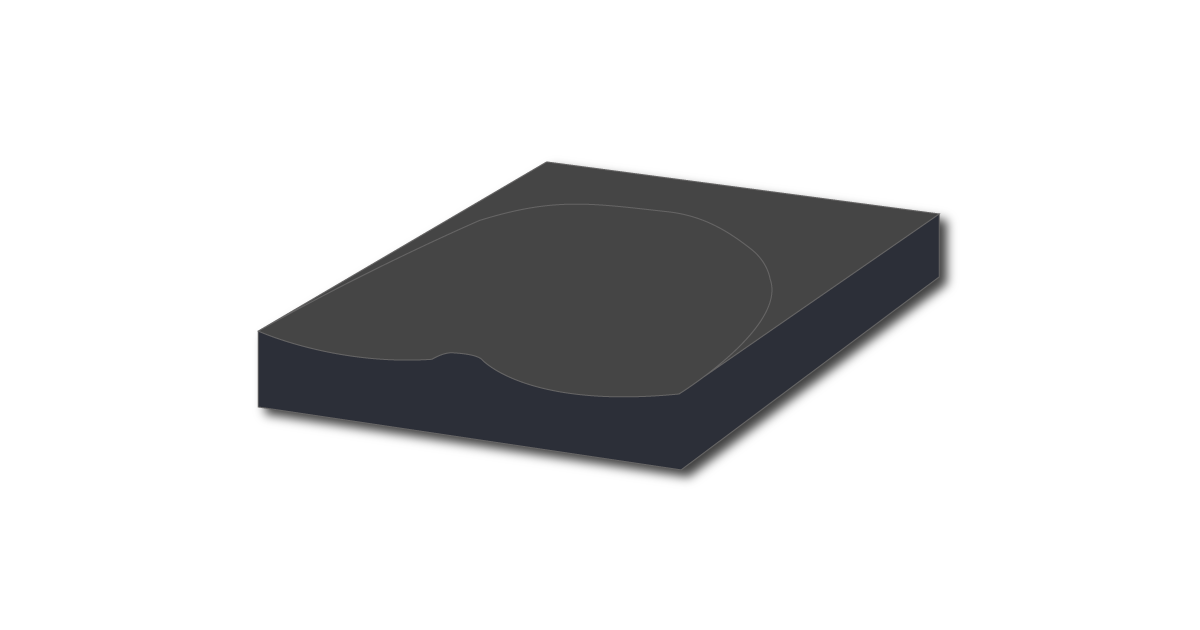
These are mainly wheelchair cushions. Prolonged wheelchair sitting can make the buttocks sore. Poor posture may also cause a diaper to shift, making cushion selection important.
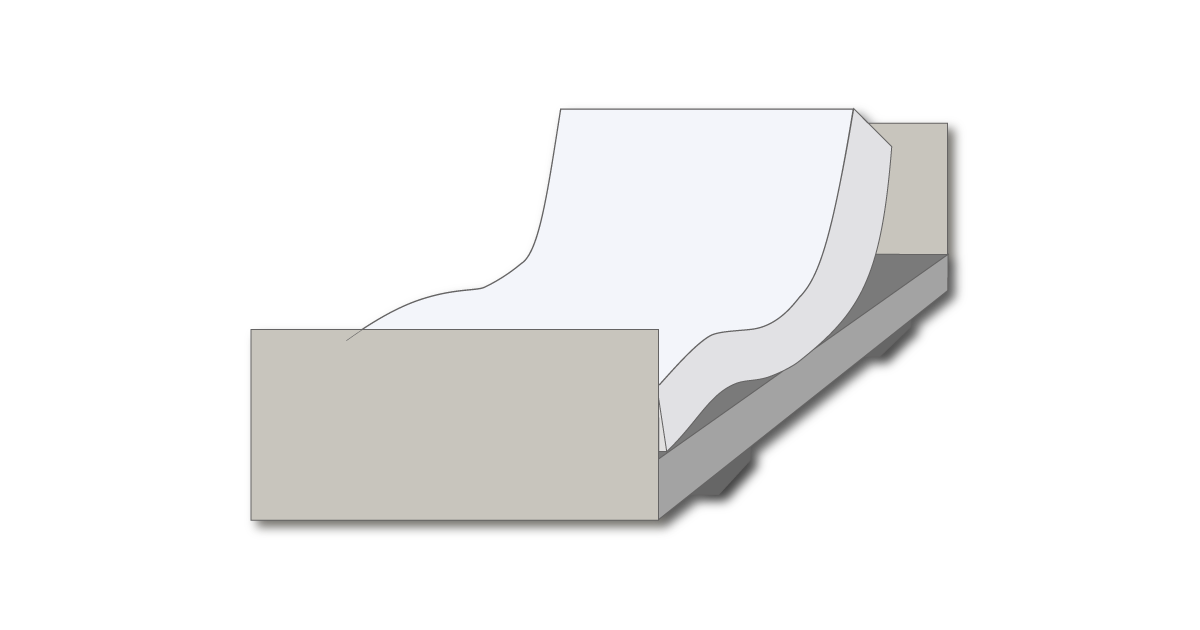
These care beds allow height adjustment and raising of the head or foot sections. Raising the bed to make standing easier or raising the head section to help the person sit up can make the sequence of movements before toileting smoother.
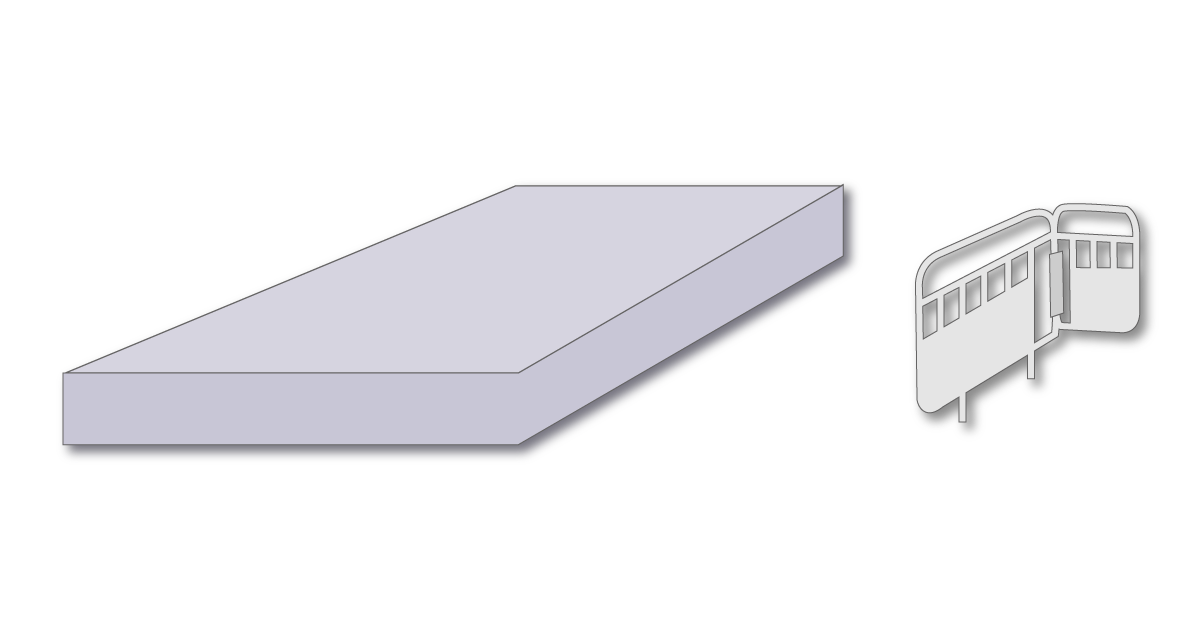
Care bed accessories include mattresses and handrails. Mattresses vary in firmness. Getting to the toilet also involves movements such as rolling over, sitting up and standing.
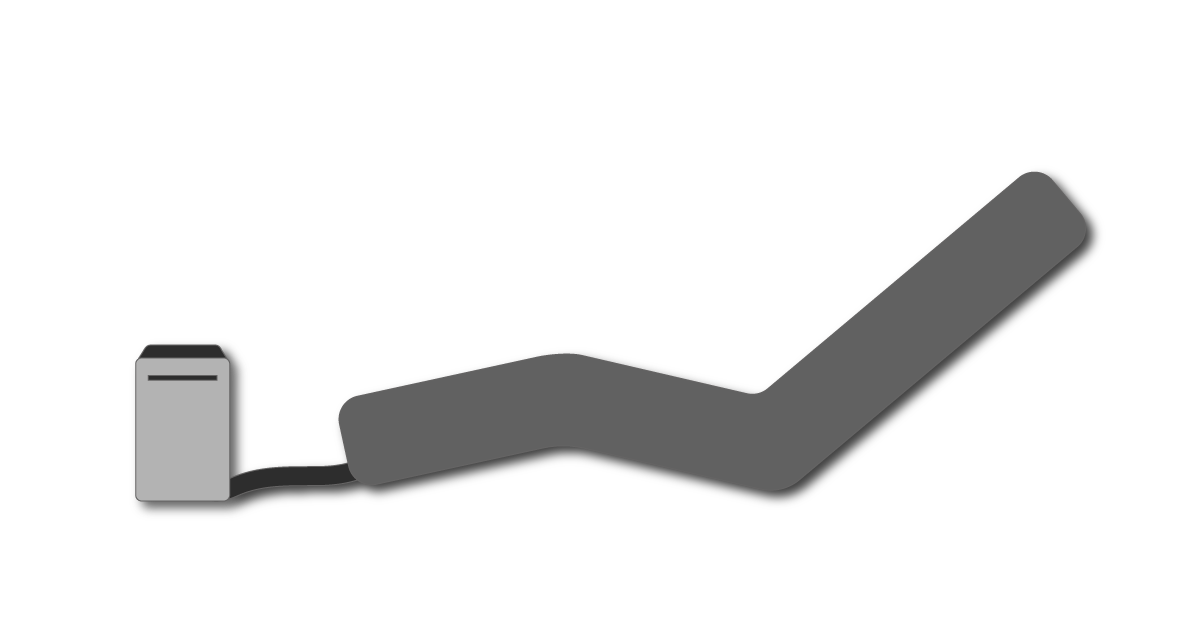
Pressure injury prevention mattresses are useful, but the body can sink into them, sometimes making independent rolling and sitting up harder. They may also make diaper changes in bed and transfers to a portable toilet more difficult for caregivers. If there is a risk of pressure injuries, reviewing the performance of diapers and pads is also important. Choose in consultation with a specialist assistive-equipment adviser or healthcare or care professional.
Reference Preventing pressure injuriesJapanese Society of Pressure Ulcers
 Incontinence Pad Construction and Performance: Absorbency, Speed and Breathability [2026]
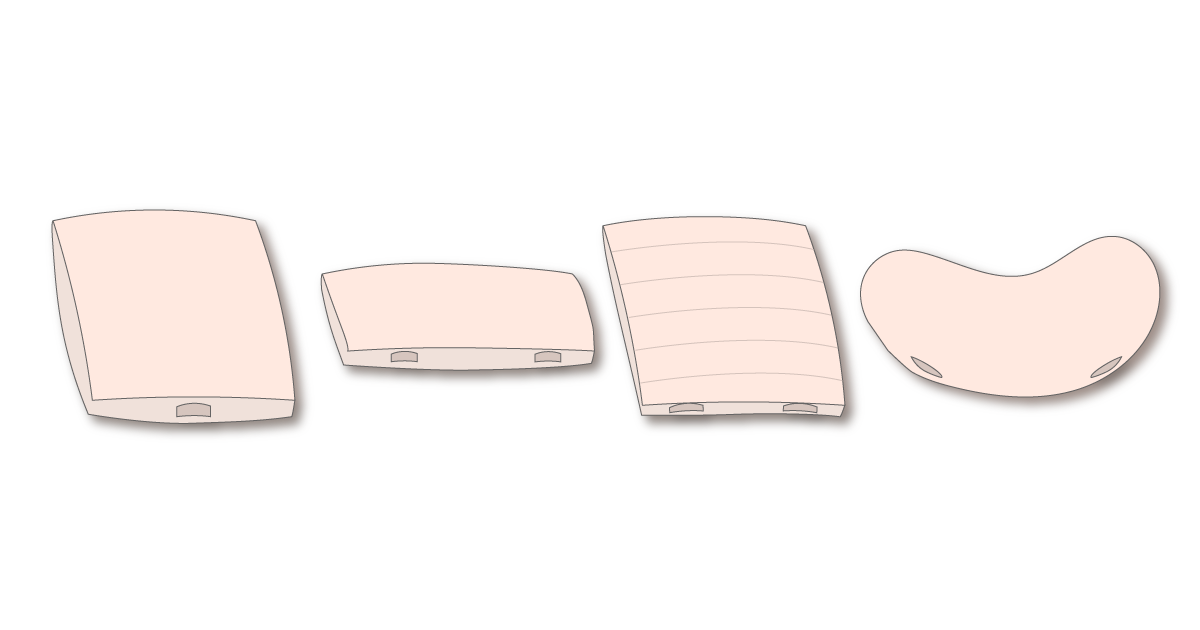
Positioning cushions support the body in a comfortable posture. Feeling secure while lying down can help the person relax, which also makes diaper changes easier.
Reference Welpy HCTaica official website
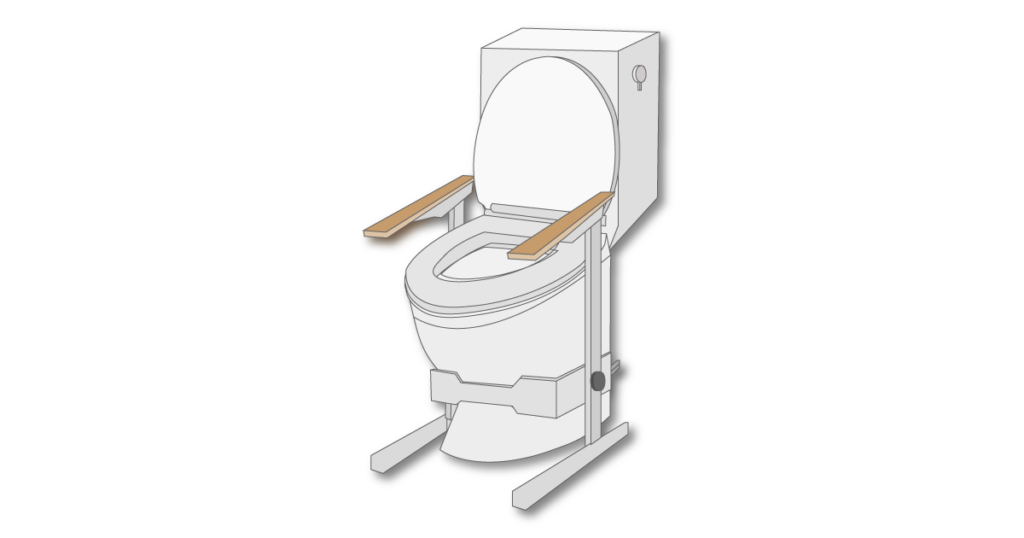
If a handrail cannot be attached to the wall, models that attach to the existing toilet are available. Handrails come in many forms. It may also be possible to install rails along the route from bedroom to toilet without construction work.
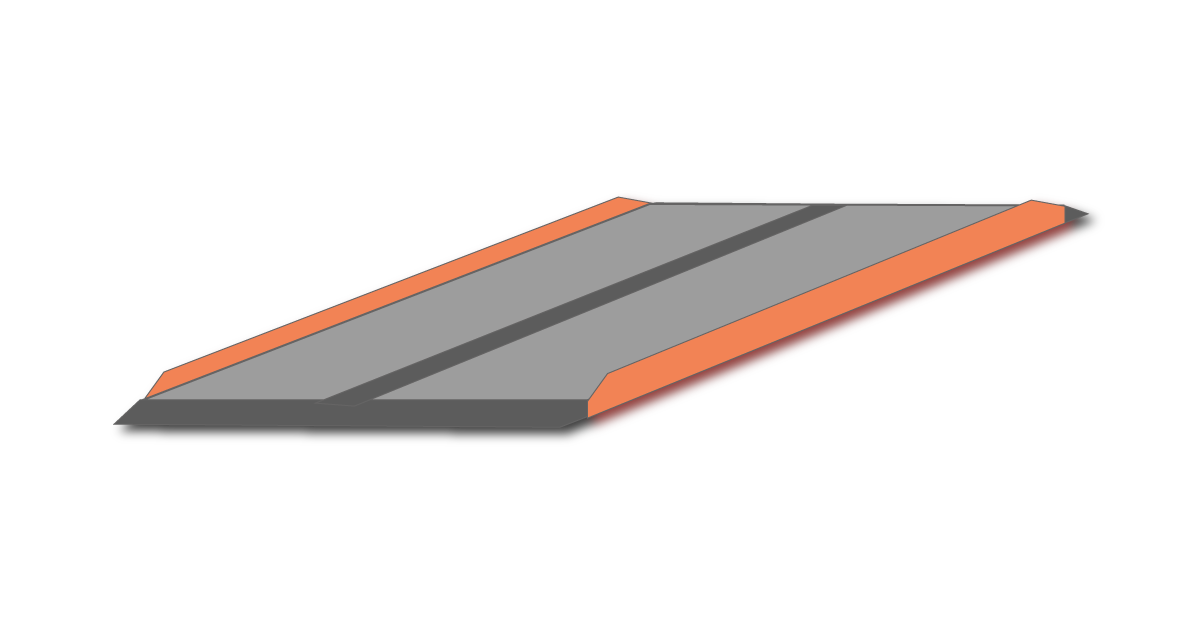
Needed where there are level changes. Short ramps are available. Japan’s long-term care insurance home modification benefit can also be used to eliminate a level difference at the toilet.
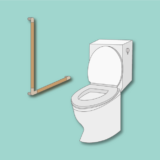 Home adaptations for toileting: toilet modifications and long-term care insurance [2026]
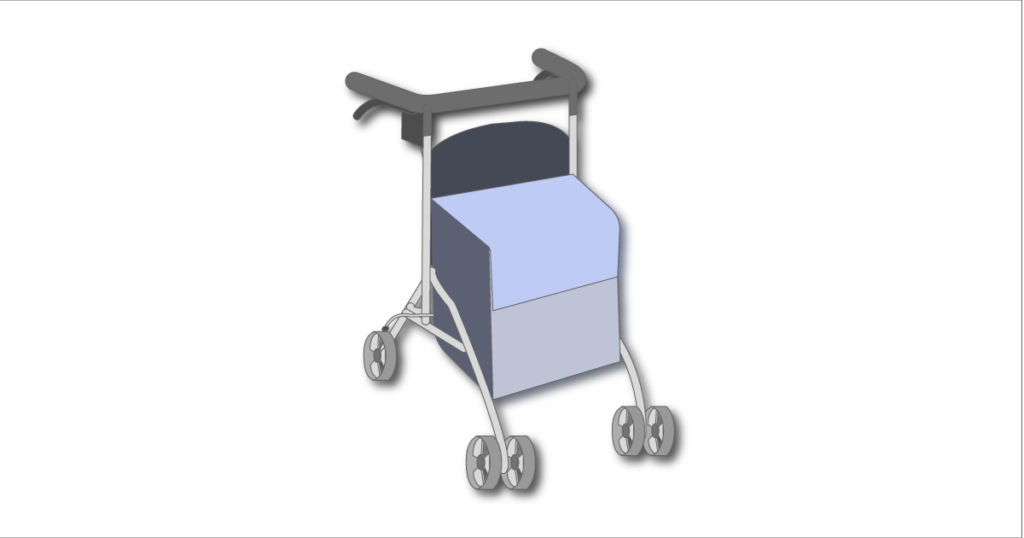
Used when there is a risk of falling. These aids support safe movement to the toilet.
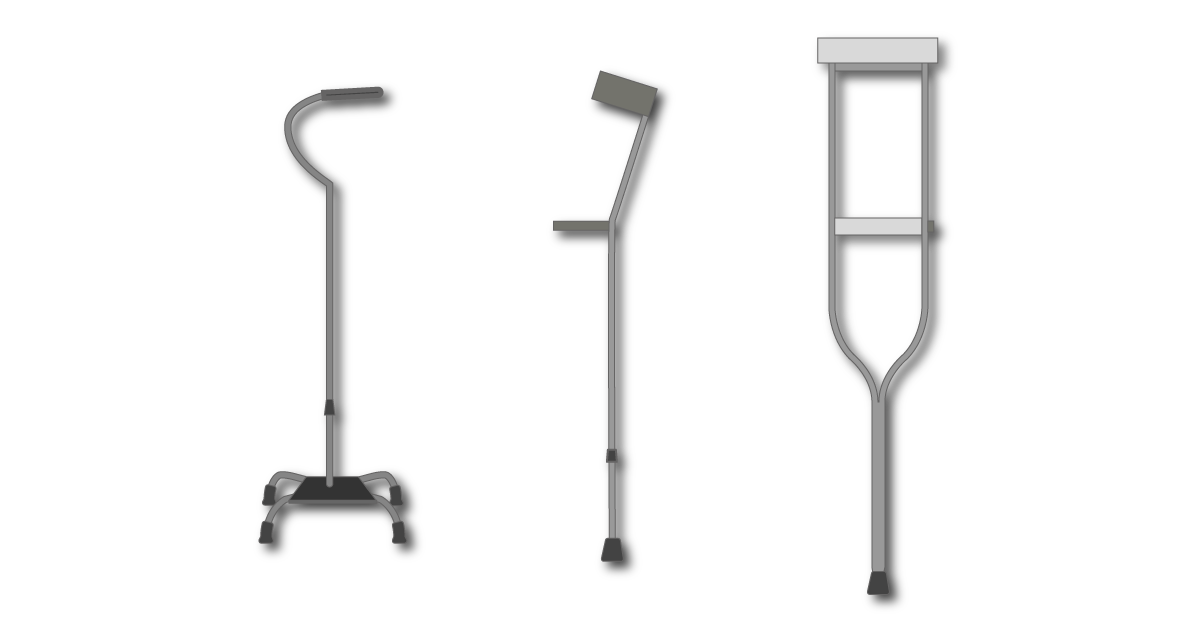
Specialized canes can also be rented. Many types are available. Choosing the type and understanding how to use it are important for getting safely to the toilet.

These are sometimes used when the risk of falling is high and continuous supervision is needed.
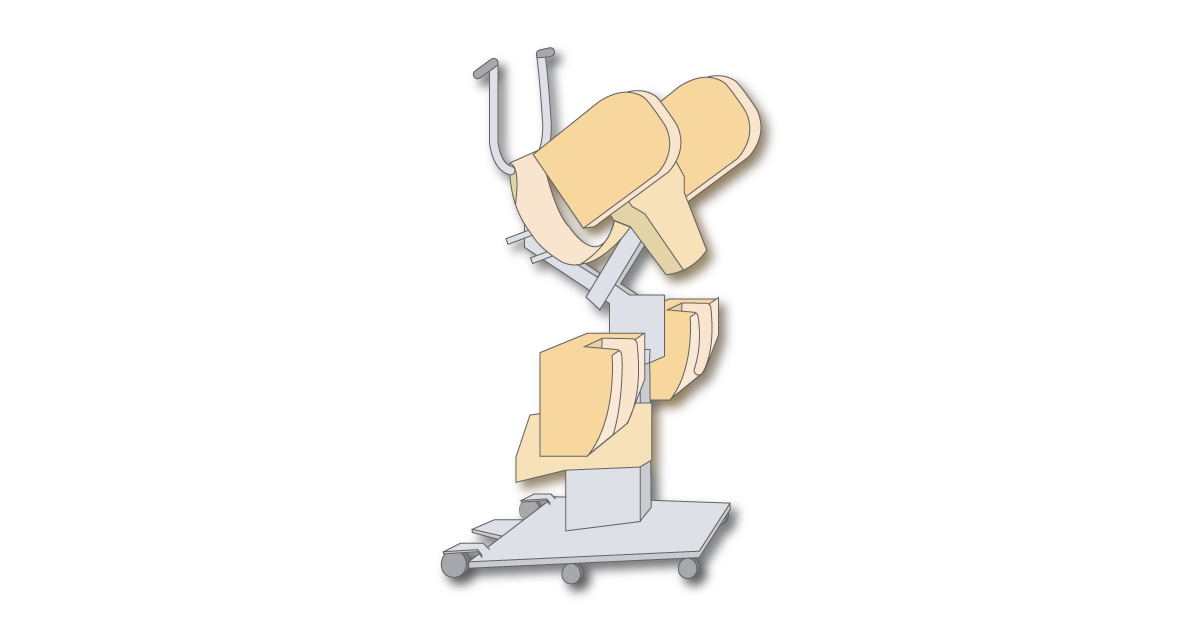
Used when moving from the bed to the toilet or portable toilet is difficult. Sitting on the toilet remains important even when the person cannot stand.
Reference Sasaete compact transfer liftAbilities official website
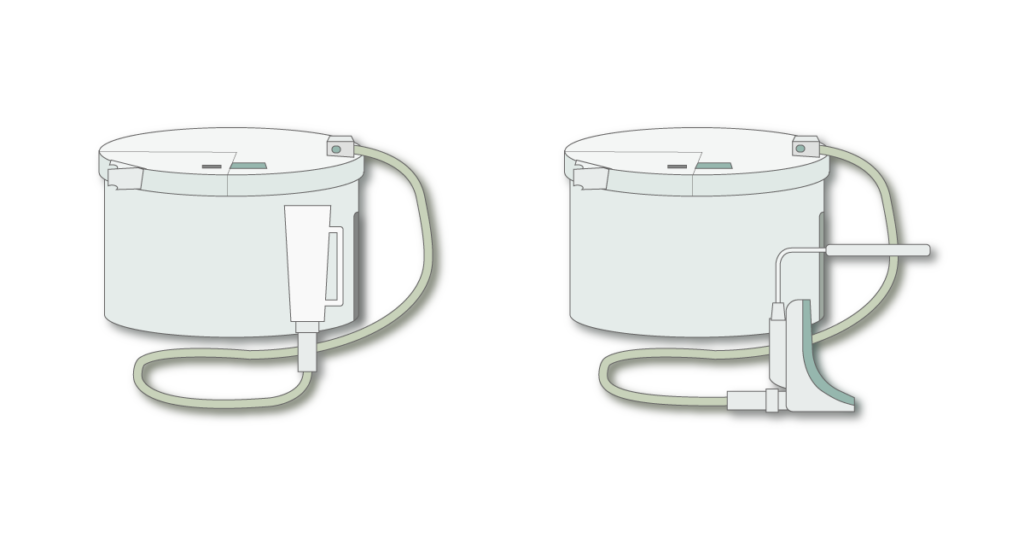
A sensor detects excretion and activates automatic suction. Some products also handle feces. Only the main unit is rentable. The urine receiver, hose and tank qualify for purchase subsidies as designated assistive equipment.
 Automatic excretion processing devices: types, rental and precautions [2026]
Assistive-equipment rental: Points to note
People certified at support levels 1 or 2 or care level 1 are eligible to rent handrails, ramps, walkers, walking sticks and canes, and urine-only automatic excretion processing devices. Other categories are generally intended for people at care level 2 or higher.

Devices that automatically suction urine only are also rentable by people at support levels 1 or 2 and care level 1. Devices that suction feces as well are generally intended for care levels 4 or 5, although exceptions may be approved according to physical condition. Before purchasing or signing a contract, check eligibility and procedures for the specific product with the care manager and local municipality.
Reference Scat CleanParamount Bed
The main unit can be rented. The urine receiver, tube and tank must be purchased as designated assistive equipment.
 Toileting Beyond Diapers: Three Equipment Categories and Insurance Purchase Assistance [2026 Guide]
Avoiding excessive reliance on diapers is best. Selecting appropriate assistive equipment is important for performing the movements involved in toileting safely.