English translation of an article originally published in Japanese on September 5, 2021. Read the Japanese original (Japanese). Product information and dates refer to the original article. Images and manufacturer videos may contain Japanese.
What is a diaper diary?
A diaper diary records the amount of urine and stool passed into diapers and toilets, providing a reference for choosing suitable diapers. It offers important information when reviewing diaper type and absorbency.
Keeping a diaper diary helps you
- Clarify how diapers are being used.
- Choose appropriate diapers.
- Reduce diaper costs.
- Give a doctor clear information about toileting patterns.
- Share information among different care professions.
How to use a diaper diary

Record the time of toileting or diaper changes and the amount of fluid in the diary. Also note body position during changes and how the pad is wet to help identify leakage causes. Fields are provided for various other information as well.
Click the button below for detailed instructions.
Diaper diary instructions — PDF (Japanese)
How to measure urine volume
When urinating into a diaper
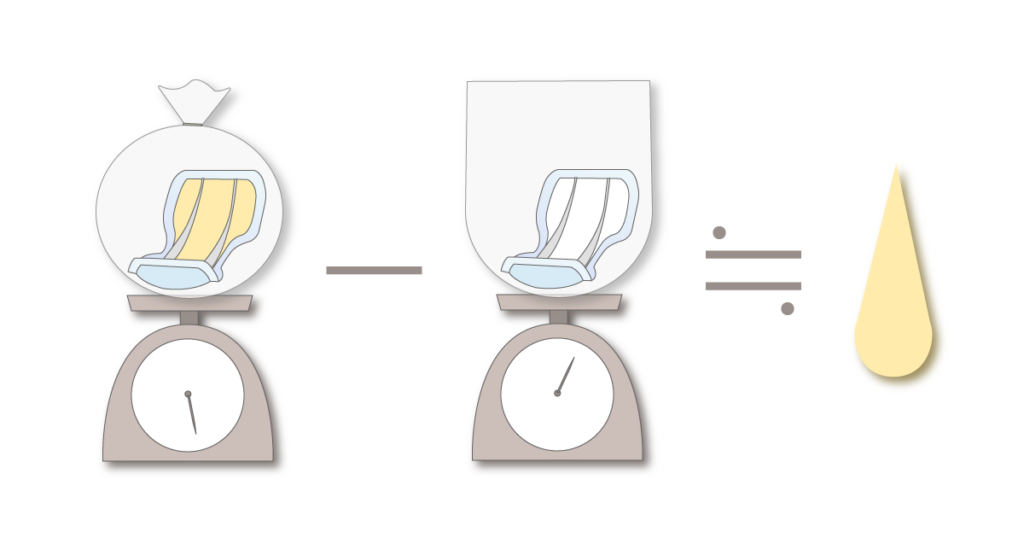
Used pad weight − unused pad weight ≈ actual urine volume
When urinating into a toilet

For urination in a toilet or bedside commode, make a measuring container to measure urine accurately. Cut the top off a plastic drink bottle and cover the cut edge with tape for safety. Add water in 50ml increments using a measuring cup, marking each level with a permanent marker.
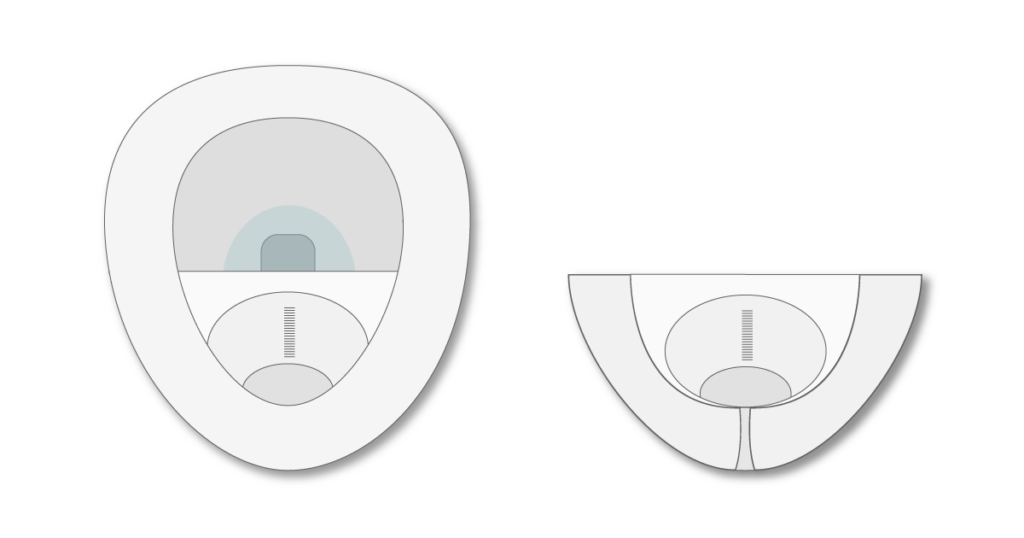
A product called a urine collection pan is also available. It is a measuring device that can easily be placed in a toilet or bedside commode to measure urine volume accurately. It can be purchased online. A urine collection pan makes it easy to measure urine passed outside diapers.
How long to keep a diaper diary
This diary is not intended for continuous use. When you want to understand urination patterns in diapers, keep it for about three days to one week to assess the situation.
Tips for a diaper diary
Start measuring at bedtime rather than on waking. In this diaper diary, the volume of the first void after waking is added to nighttime urine volume. This makes starting the diary at bedtime easier.
Diaper diary precautions
If you are unsure about the numbers, ask a doctor to assess them in the overall context. Discuss urinary symptoms with a doctor.

Pad absorbency can mean total absorbency or recommended working absorbency. Retail diaper packaging shows approximate absorbency in voids. Most products assume 150ml per void. Some hospital and facility products do not list absorbency on the packaging. Check the manufacturer’s official catalog or product information to determine whether the figure is total absorbency or recommended working absorbency. Ask the manufacturer if the recommended working absorbency is unclear.
The volume of the first void after waking is added to nighttime urine volume. However, that first void is counted in the daytime urination frequency.
The exact number of voids into a pad cannot be determined. Record the number of pad changes instead. When the person urinates in the toilet, count those voids accurately.
Download the diaper diary
Free diaper diary download — PDF (Japanese)
Diaper diary example 1 — PDF (Japanese)
Diaper diary example 2 — PDF (Japanese)
Diaper diary example 3 — PDF (Japanese)
Final notes
The diaper diary has many fields and is complex. First try keeping a diary yourself to understand the method before putting it into use.
Adult Diaper Information Center Japan holds free study sessions every month. If you want to learn more about using the diaper diary, please join a session.