English translation of an article originally published in Japanese on May 17, 2019. Read the Japanese original (Japanese). Product information and dates refer to the original article. Images and manufacturer videos may contain Japanese.
Even when someone wears diapers, their physical condition and the available assistance may allow them to use a bedside commode. When choosing one, consider how easily they can transfer from bed, whether they can sit steadily, and whether the cleaning and waste disposal can be managed consistently. This article uses illustrations to explain the features of each type, seat height, placement, and use.
Bedside commodes
A bedside commode is used when reaching the toilet becomes difficult. It can be placed beside the bed, allowing someone who cannot walk to use a toilet in their own room. It is preferable to separate the body from urine and stool as quickly as possible.
Types of bedside commodes
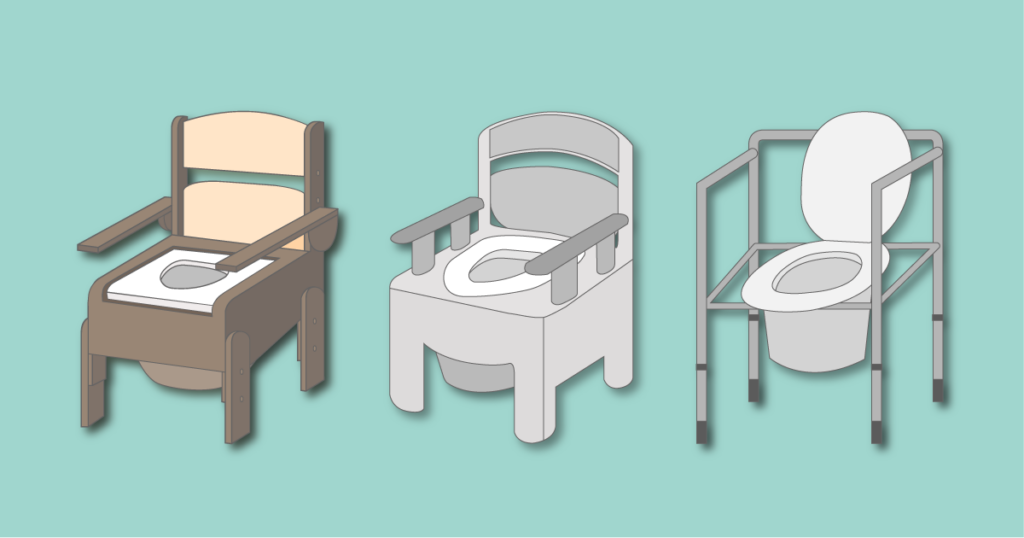
The main types introduced here are plastic and wooden models. Steel models and basic portable toilets are also available.
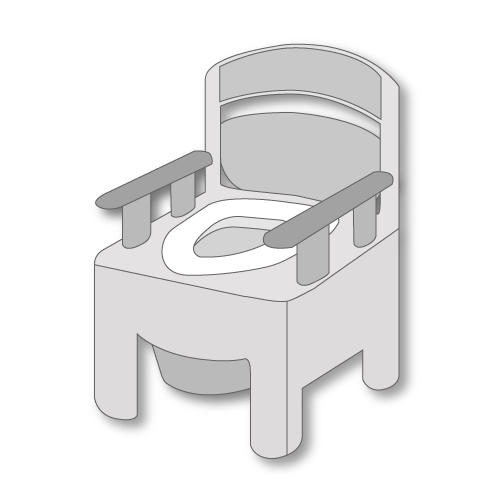
Relatively lightweight and easy to move. Easy to maintain and washable with water. Less likely to retain odors. Some plastic products have a woodgrain finish.
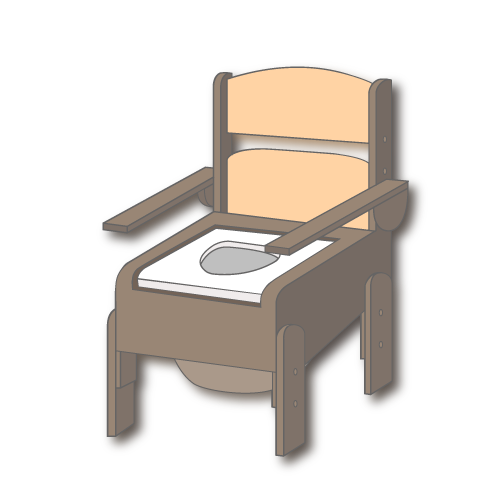
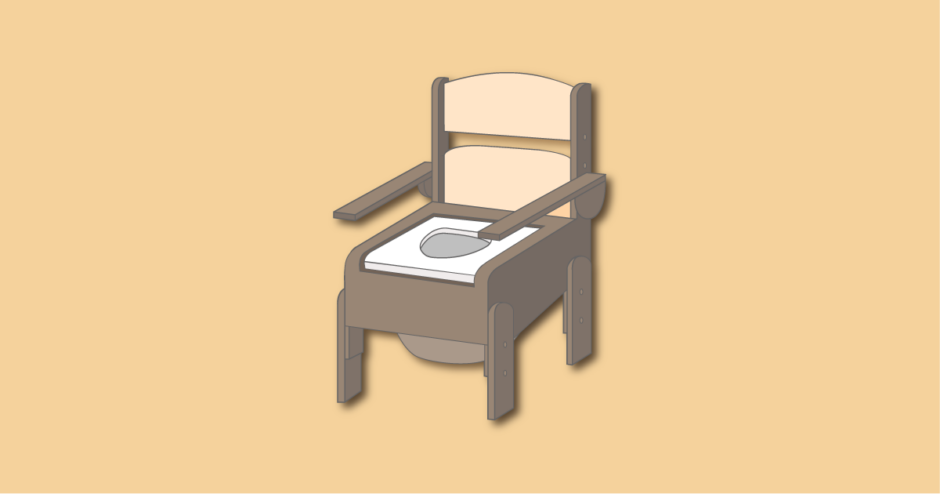
Furniture-style models blend easily with a room’s decor. Their weight makes them stable. They require more care. They can also be used as a chair. They are expensive.
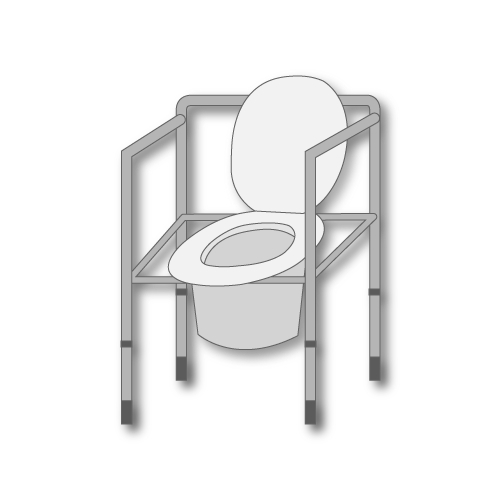
Lightweight and easy to move, with some foldable products available. Stability depends on the leg structure and installation conditions as well as weight. Check the user’s weight and the manufacturer’s conditions of use when choosing one. Prices are relatively low.
What to consider when choosing
Adjusting a bedside commode to the person’s build makes toileting easier. A poor fit also makes assistance more difficult.
Overall size
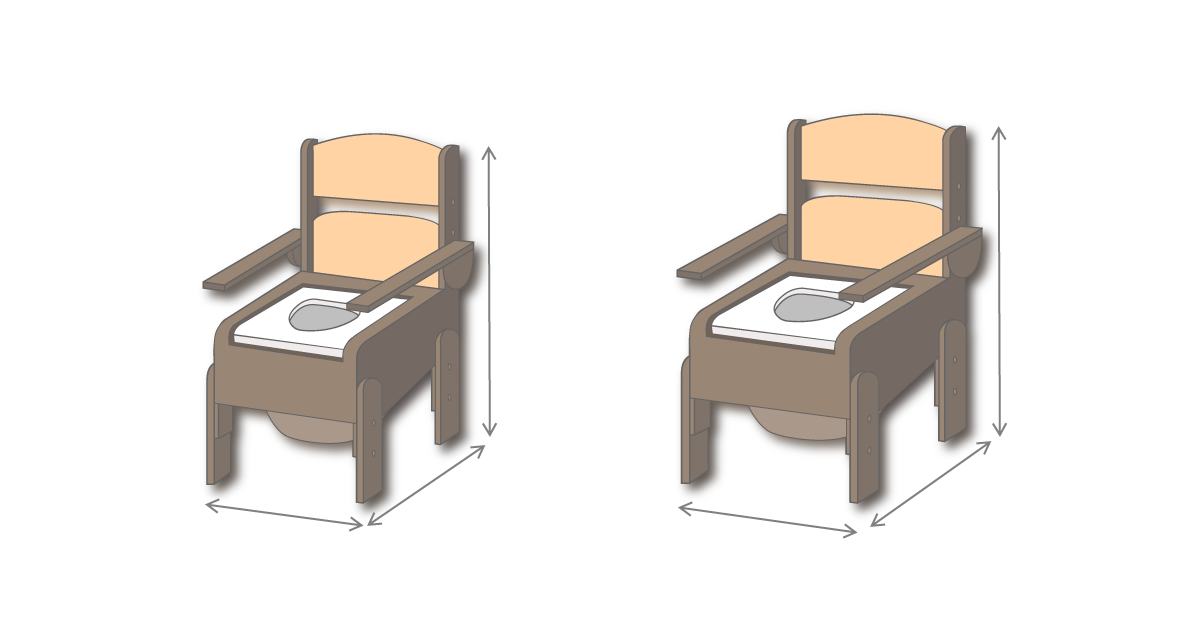
Compact models are also available. Choose according to the person’s build and the space in the room.
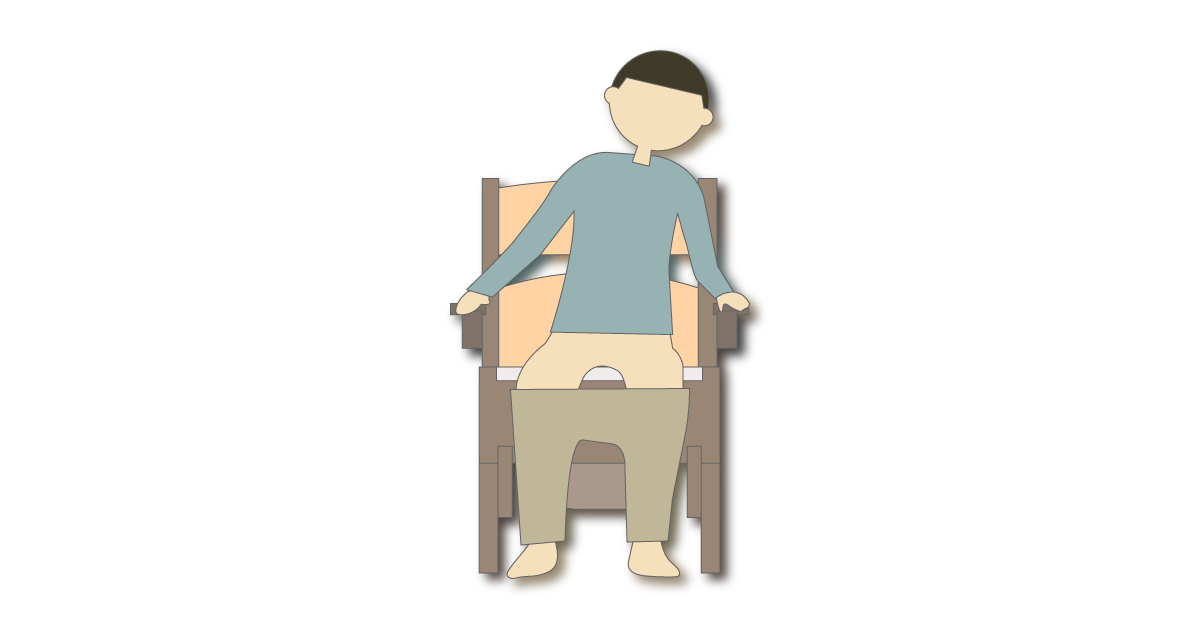
For someone who has difficulty sitting steadily, a bedside commode that does not fit their build can make toileting difficult.
Seat height
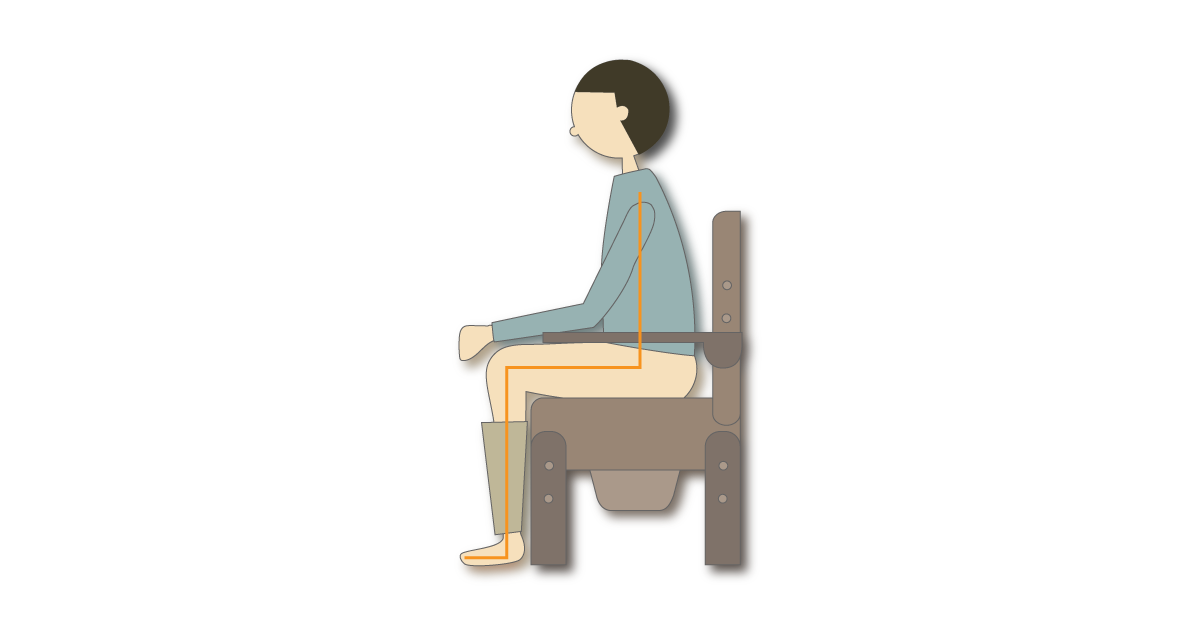
As a guide, choose a height that places the hips, knees, and ankles at approximately 90 degrees, and adjust it according to the person’s physical condition and ease of transfer.
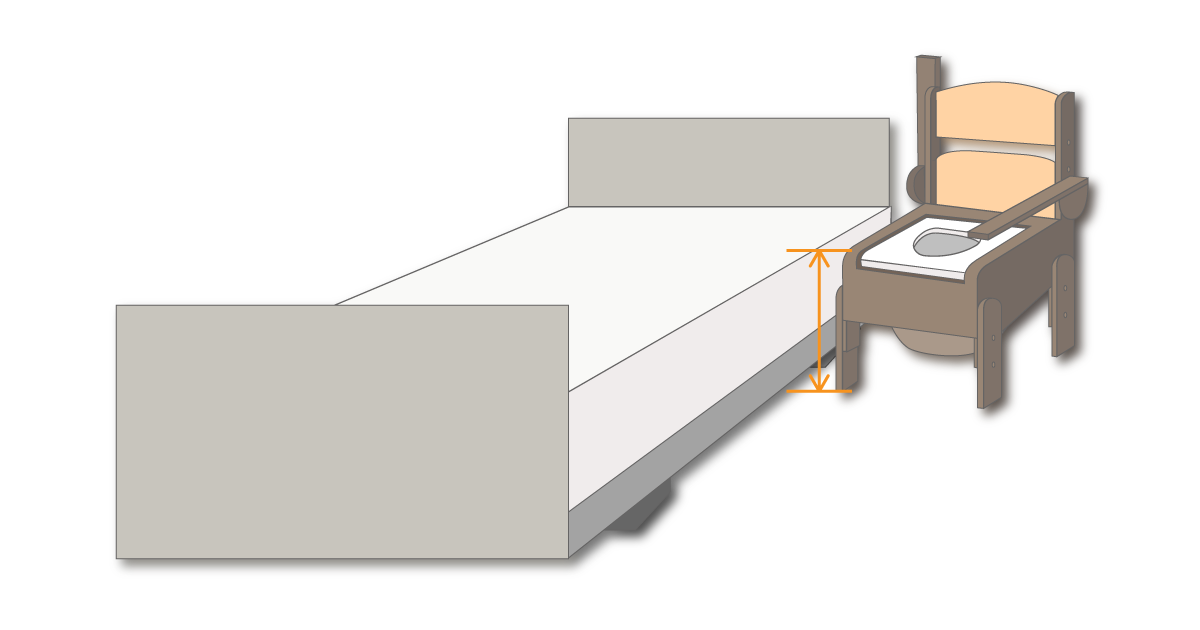
The height may be matched to the bed to allow a level sideways transfer.
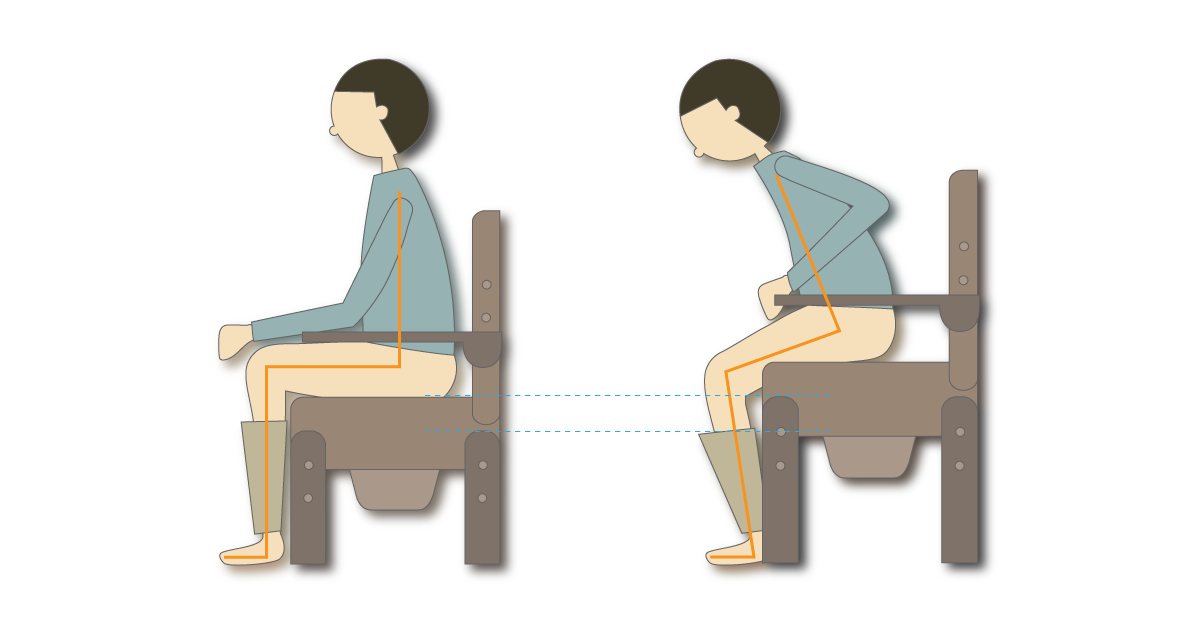
The seat may be set slightly higher to make standing easier.
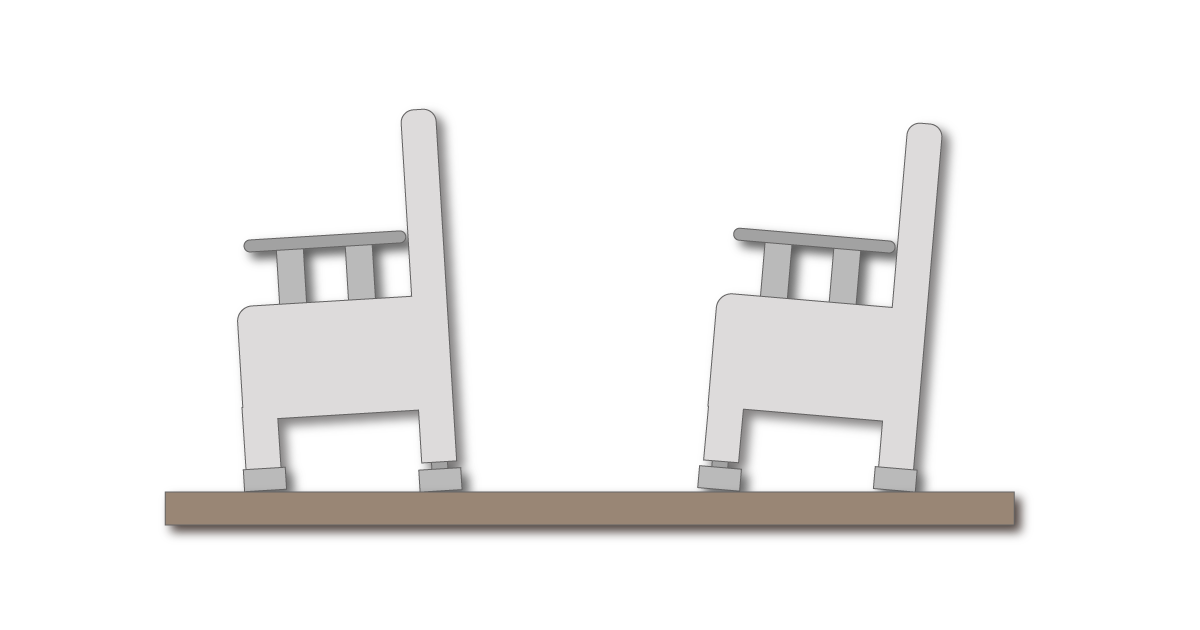
Some products allow the forward or backward tilt to be adjusted to help with standing and prevent sliding forward.
Armrests and flip-up armrests
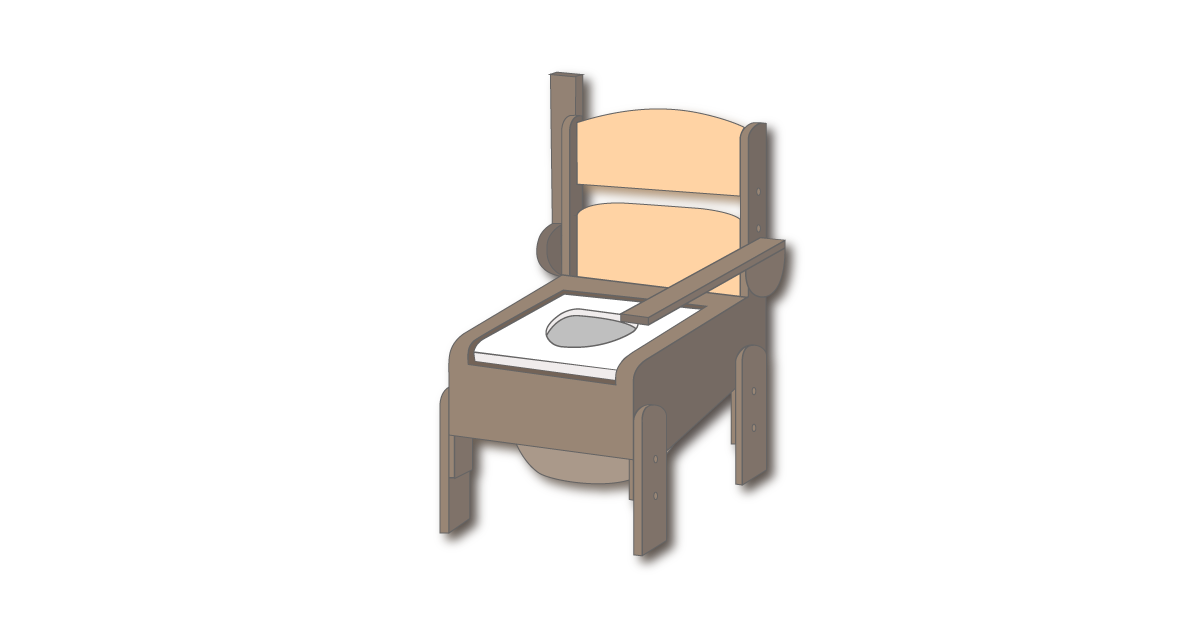
Some products have height-adjustable or flip-up armrests.
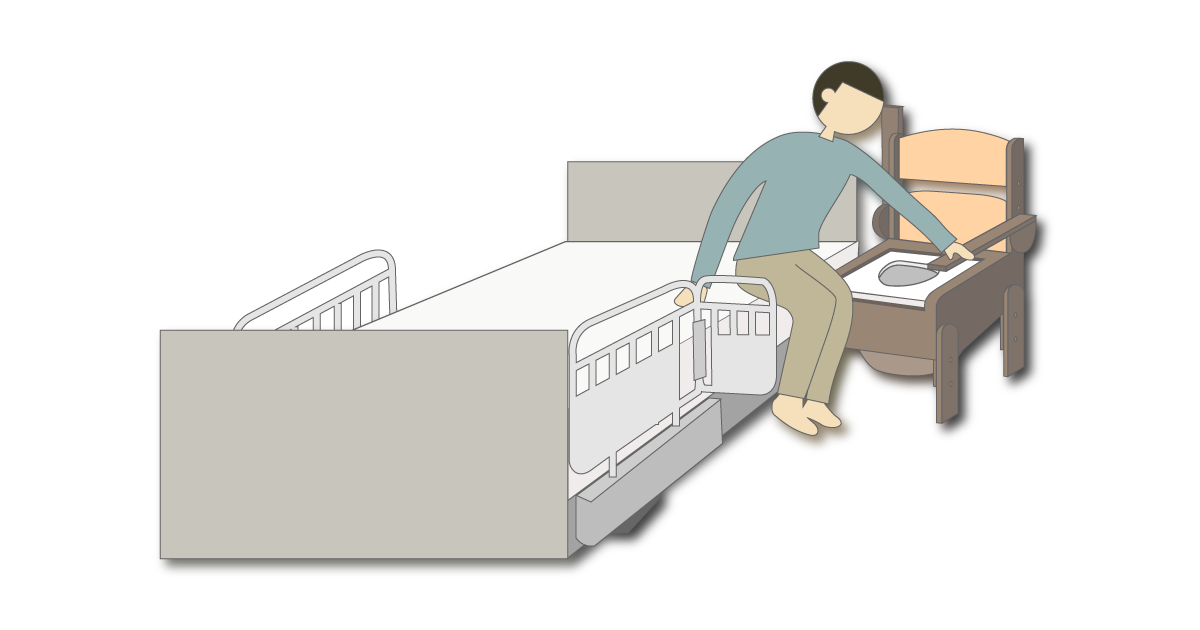
Raising the armrest removes the need to move over it when transferring.
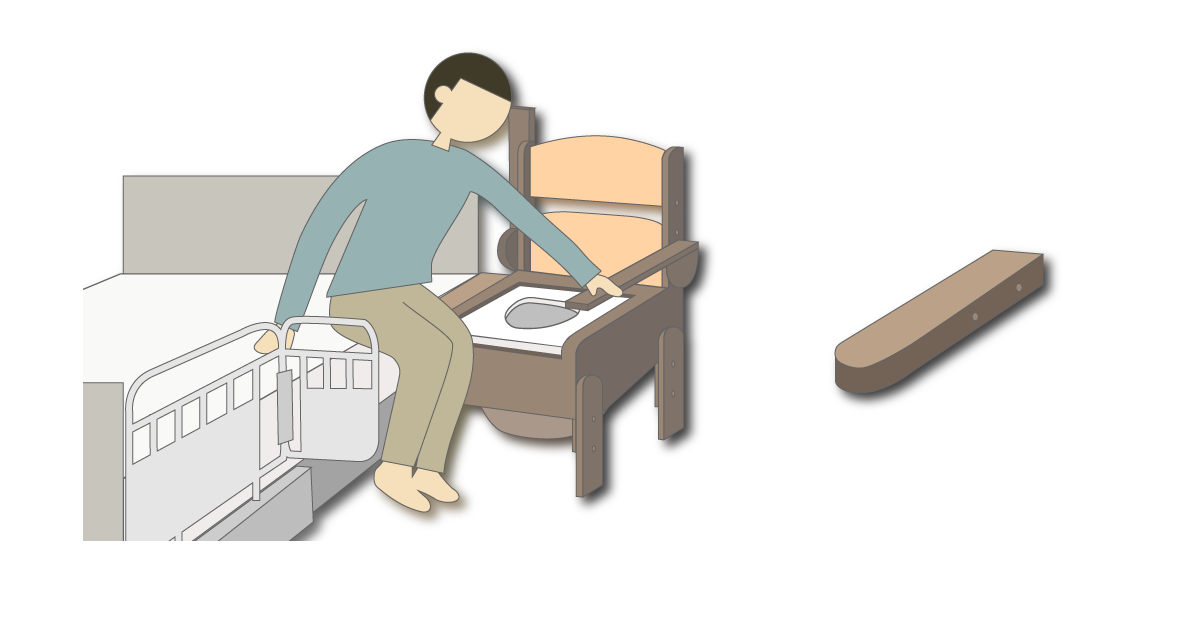
Some products include an accessory that bridges the space between the commode and bed. Reducing this gap helps make transfers safer.
Types of toilet seat

Options include plastic seats, elongated-opening seats, padded seats, and heated seats. Other types, such as deodorizing seats, are also available. Choose a seat on which the person can sit comfortably and relax.
How to use a bedside commode
Here is how to use a bedside commode.
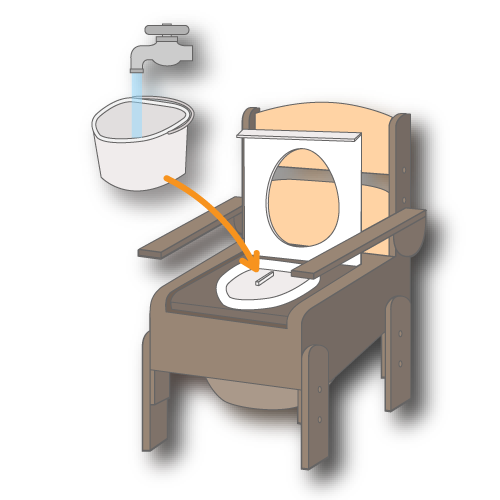
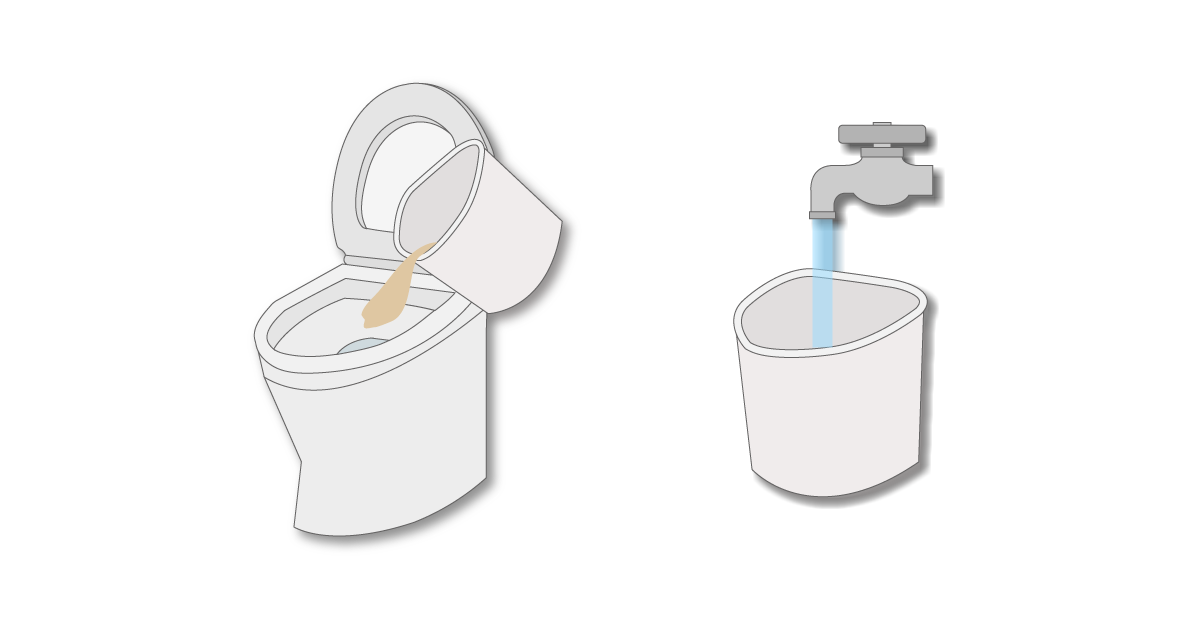
Add water to the waste bucket and place it in the commode. Water helps reduce odors and makes stool less likely to stick.
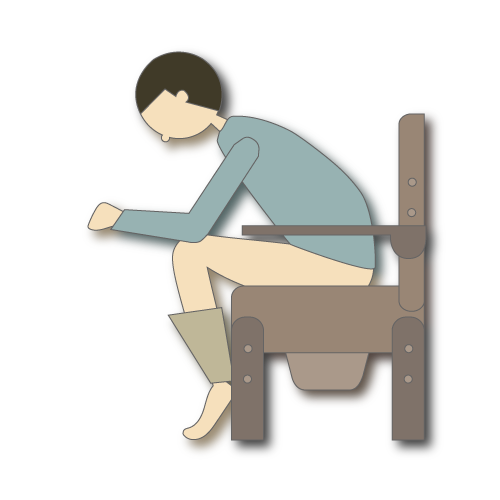
Leaning forward can make it easier to pass stool. The following article explains posture during bowel movements. Please take a look.
 Posture for Easier Bowel Movements: Toilet Sitting and Support Equipment [2026 Guide]
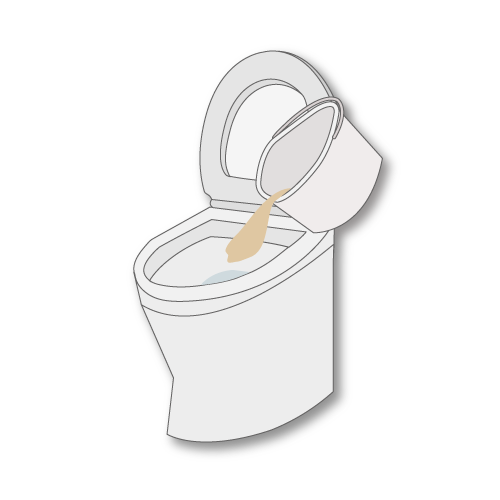
Carry the waste bucket to the household toilet and empty it.
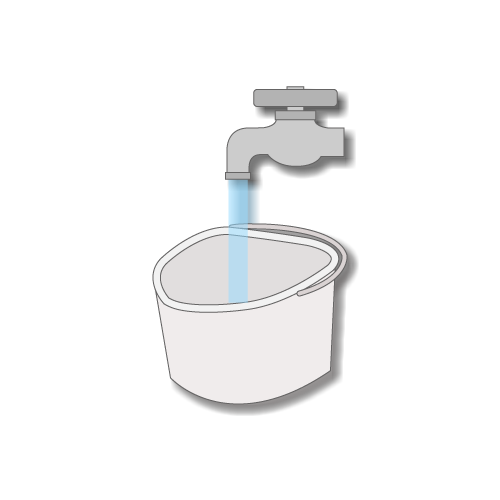
Wash the bucket at a water supply suitable for cleaning toilet waste.
Cleaning a bedside commode can be demanding.
Where to place the bedside commode
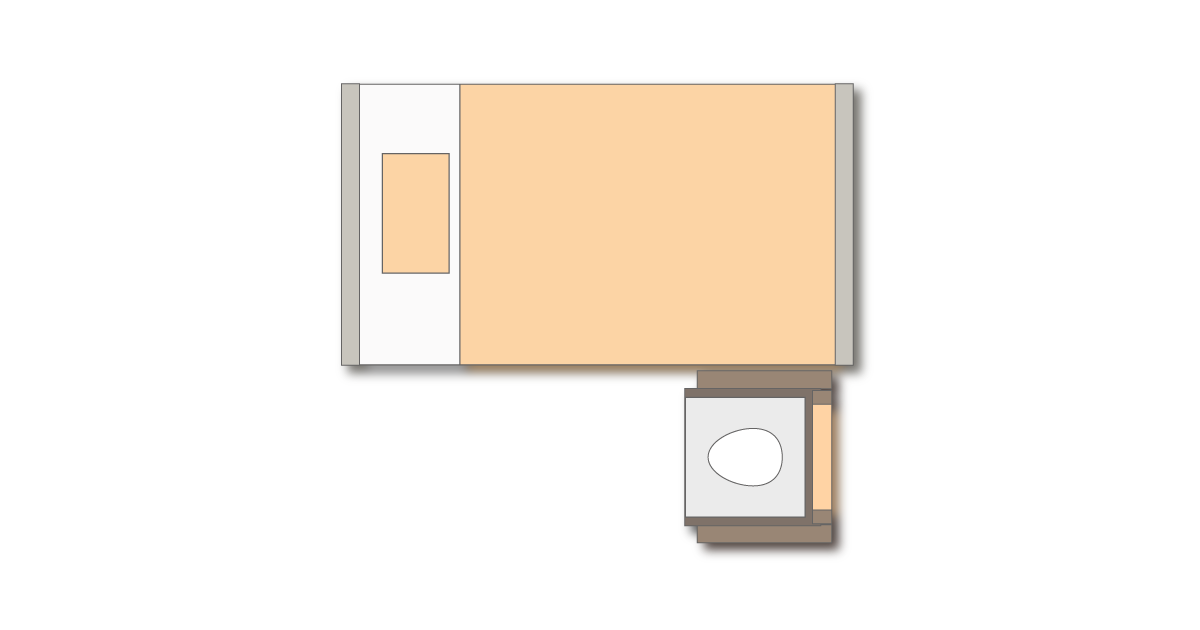
Check the direction of transfer from bed and the space needed for assistance, and position it where the person can use it easily. Placing it near the head of the bed can cause odor problems.
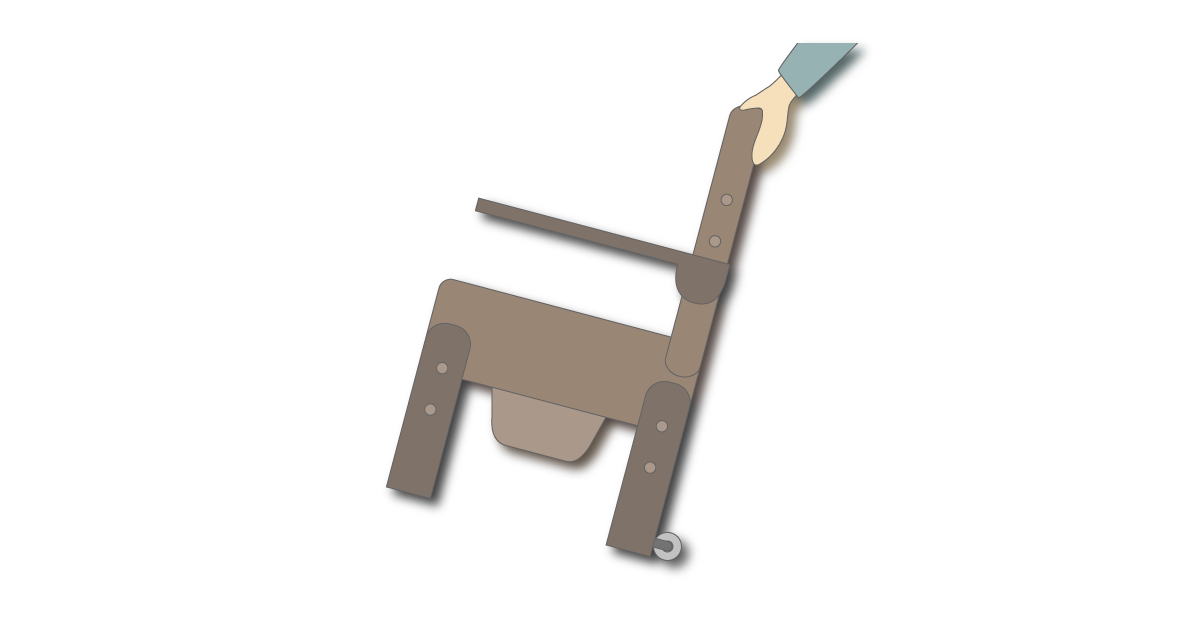
Choosing a commode with casters makes moving it easier. A bedside commode can get in the way when transferring to a wheelchair or getting up.
Other options
Toilet paper holder
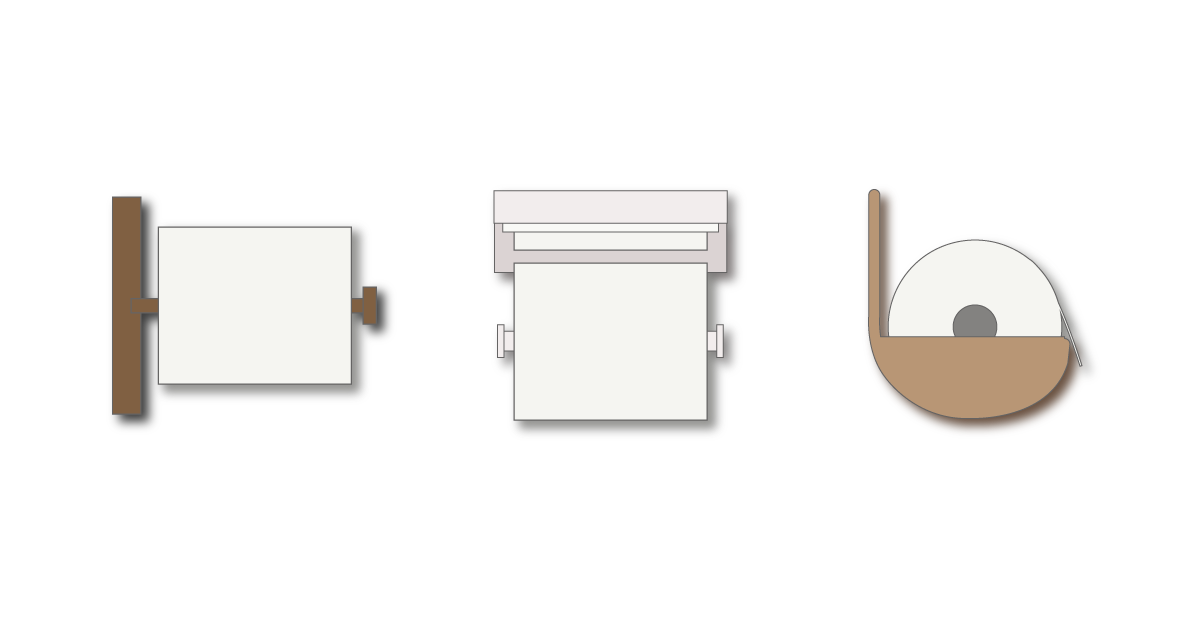
It is also important to consider whether the person can tear off toilet paper independently. Some holders make it easier to tear paper with one hand.
Bidet function
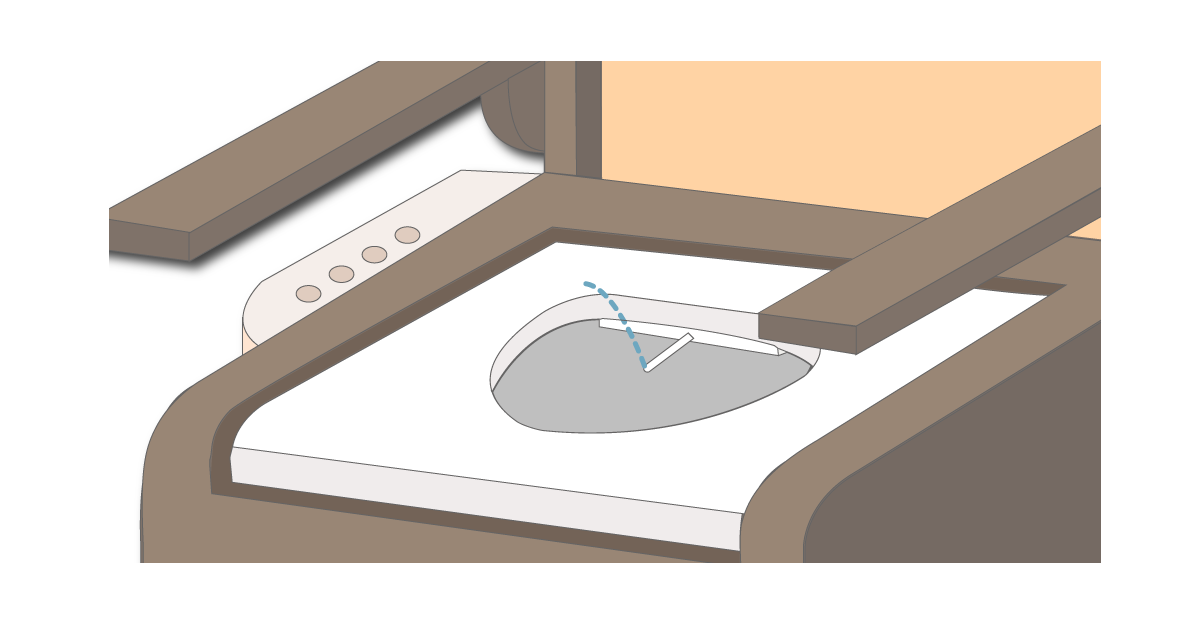
If the person cannot wipe thoroughly independently, bedside commodes with a washing spray are available. They are convenient because they reduce the amount of wiping needed.
Bedside commode precautions
Odors can linger in the room

Deodorizing liquids for bedside commodes are available. Simply add one to the water in the waste bucket to help control odors.
Reference Deodorizing Liquid for Bedside CommodesPanasonic official website
The bucket must be carried and washed
Although bedside commodes are convenient for toileting, carrying the waste bucket to the toilet and washing it can be demanding. Here are products that eliminate the need to wash the bucket.
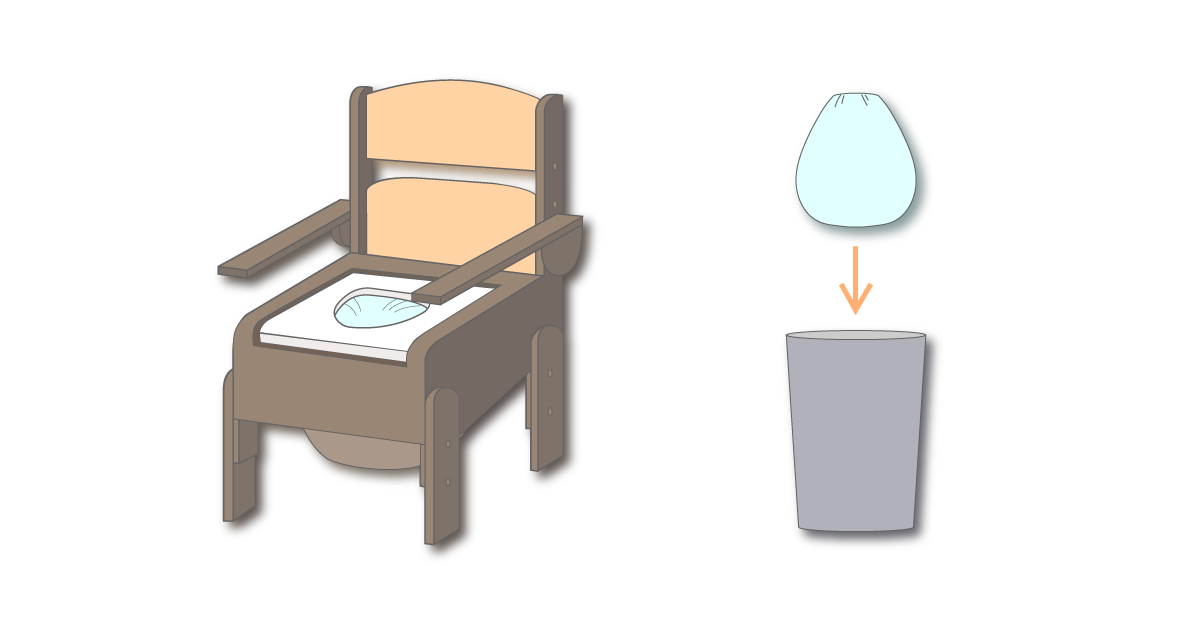
Film is fitted inside the waste bucket, and the waste is automatically wrapped. This eliminates bucket washing.
Reference Furniture-Style Toilet Select R Automatic Wrap 2Aron Kasei official website
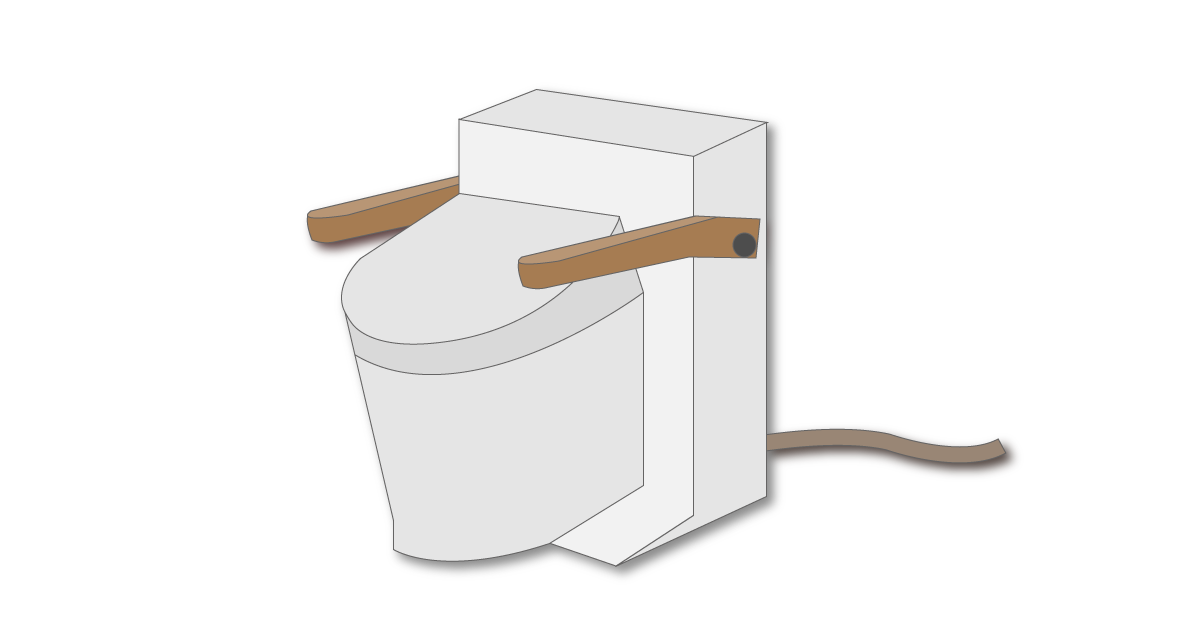
Flush-type bedside toilets are also available. They eliminate the need to empty a waste bucket. Purchase assistance is available under Japan’s long-term care insurance system; installation costs are paid by the user.
Reference Bedside Flush ToiletTOTO official website
Specified welfare equipment
Depending on the product, a bedside commode may qualify for public purchase assistance as specified welfare equipment under Japan’s long-term care insurance system. Consult a care manager or welfare equipment specialist.
 Toileting Beyond Diapers: Three Equipment Categories and Insurance Purchase Assistance [2026 Guide]
Summary
Choose a bedside commode carefully with professional advice, checking seating comfort, ease of transfer, placement, and waste disposal after use.

Urine leakage alone should not lead automatically to choosing diapers. Consider bedside commodes and urinals as well.