English translation of an article originally published in Japanese on April 17, 2019. Read the Japanese original (Japanese). Product information and dates refer to the original article. Images and manufacturer videos may contain Japanese.
Adult diaper covers hold cloth diapers, flat adult diapers or incontinence insert pads in place. Compatible absorbent products vary by cover, and comfort depends on size and application. This illustrated guide explains the role of diaper covers, combinations, sizing and precautions.
Diaper covers
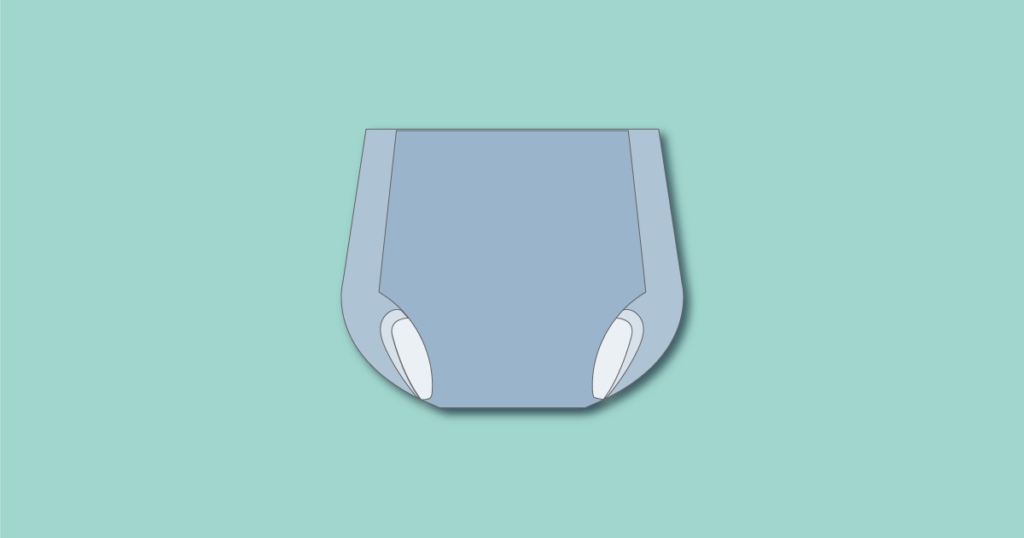
Diaper covers hold cloth diapers, flat adult diapers or incontinence insert pads in place to help prevent leaks. Their main feature is that they can be washed and reused. With the spread of disposable adult diapers, covers are now used less often in Japanese older-person care.
Combinations
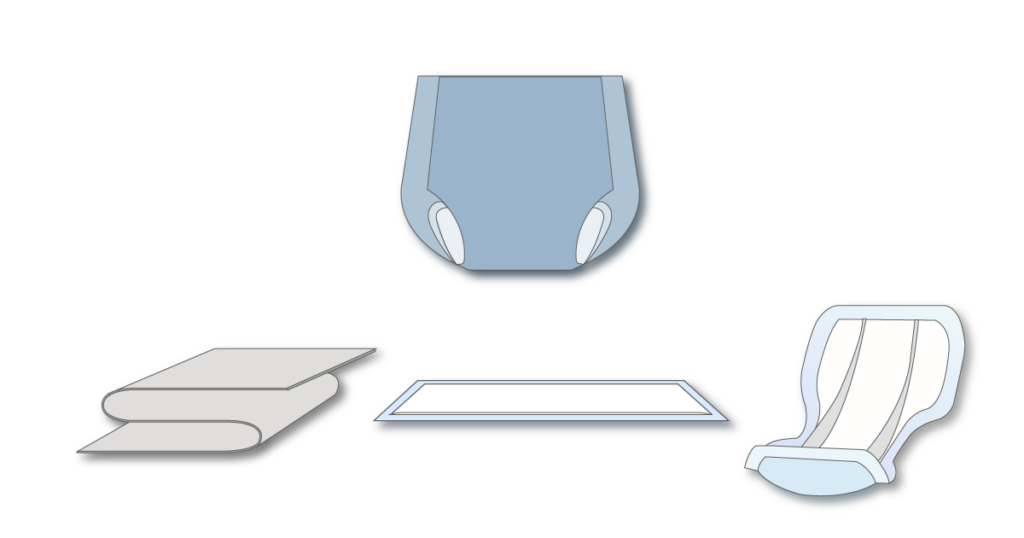
Here are three combinations.
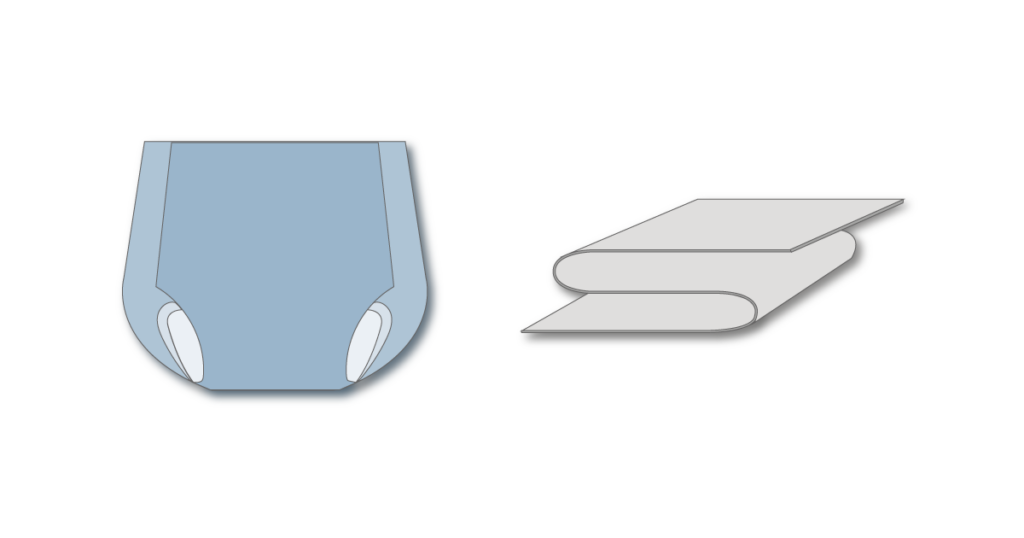
Place rectangular cloth diapers inside the cover according to urine volume.
Advantages
• Pleasant against the skin before elimination
• Washable and economical
Disadvantages
• Strong discomfort after elimination
• Layering several makes the diaper bulky
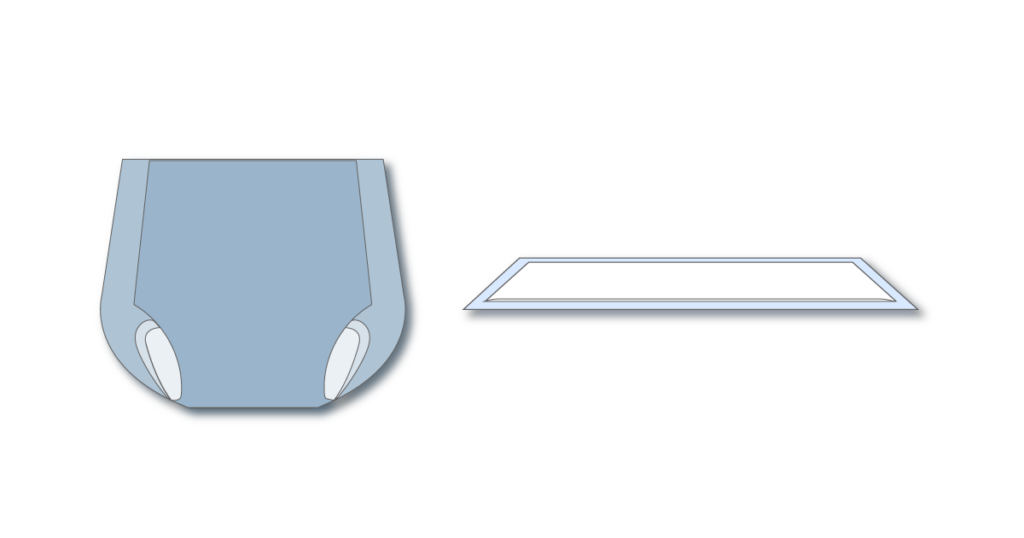
Flat absorbent sheets have relatively low capacity for their size. Gaps can form, making leakage more likely.
Advantages
• Disposable
Disadvantages
• Poor breathability
 Flat adult diapers and sheets: uses, absorbency and layering precautions [2026]
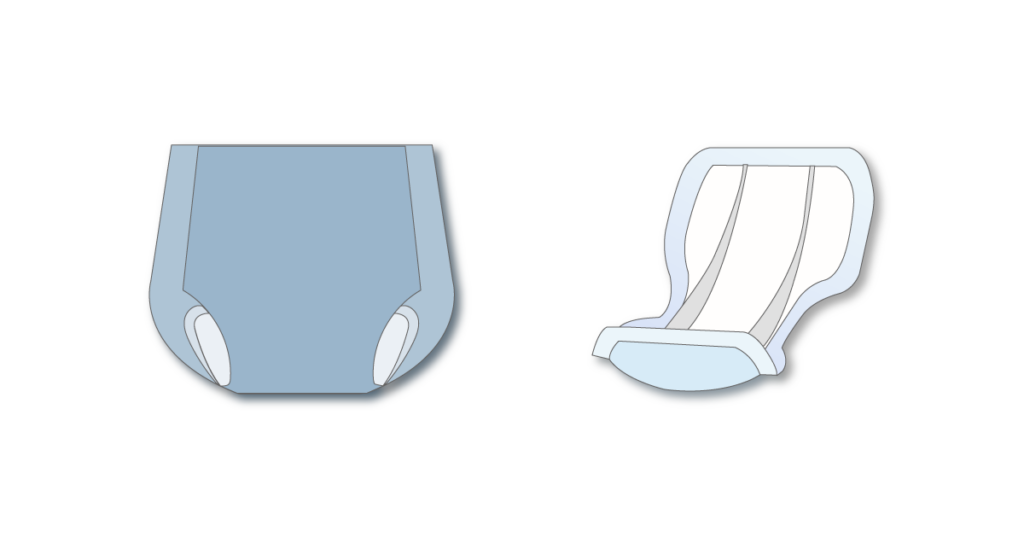
Diaper covers specifically designed for disposable pads are available.
Advantages
• Wide choice of absorbencies
Disadvantages
• Higher cost

In practice, cloth diapers and flat sheets have limited absorbency, so incontinence insert pads are often added on top. Take care that the resulting bulk does not restrict movement.
Choosing the right size
Size labeling varies by manufacturer. Check the product labeling before purchasing.
Diaper covers: Points to note
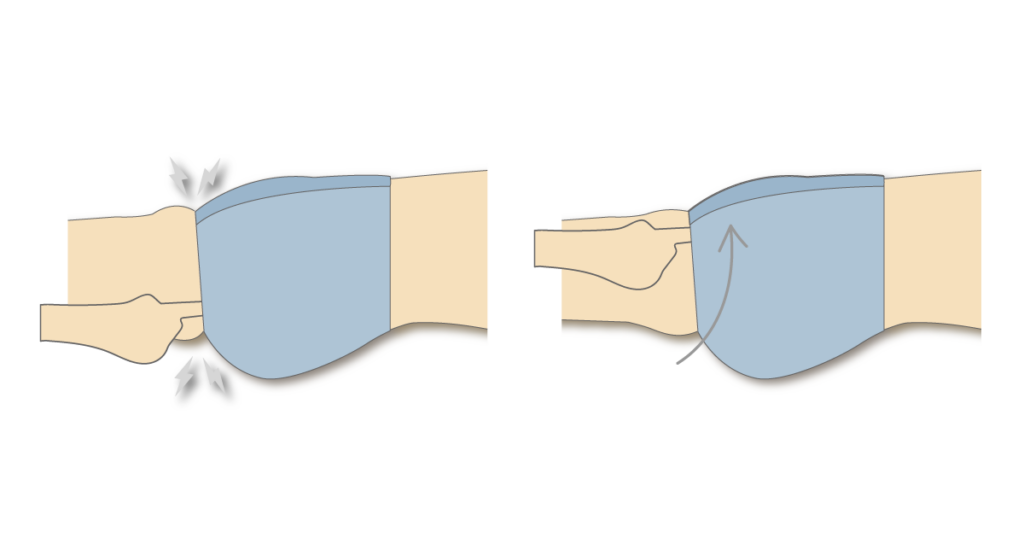
Depending on the product and size, the cover may feel uncomfortably tight around the thighs. Gently inserting a finger into the gap to release pressure can ease the pulling sensation slightly. Some people develop pressure marks from excessive tightness.
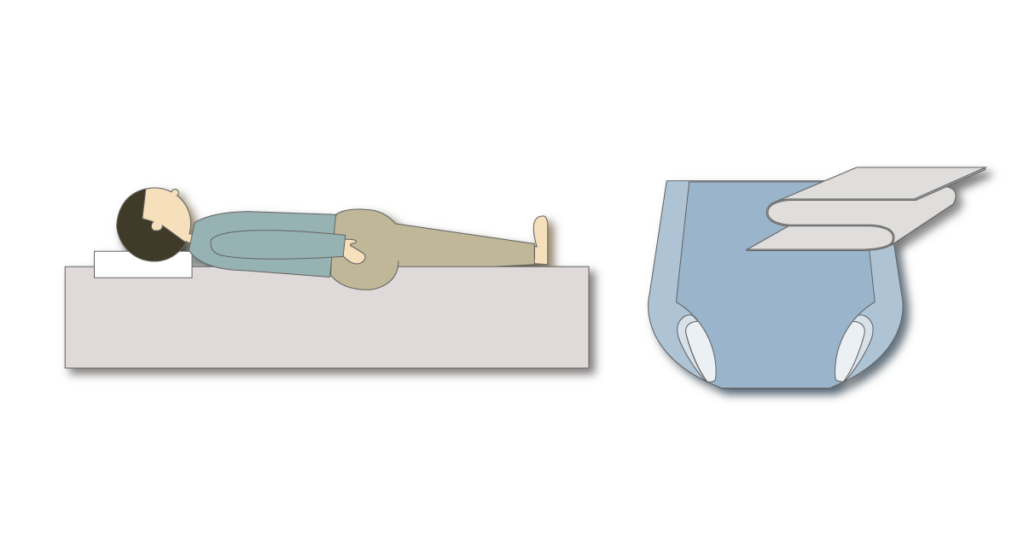
Cloth diapers have limited absorbency, so layering them creates bulk that can restrict movement.
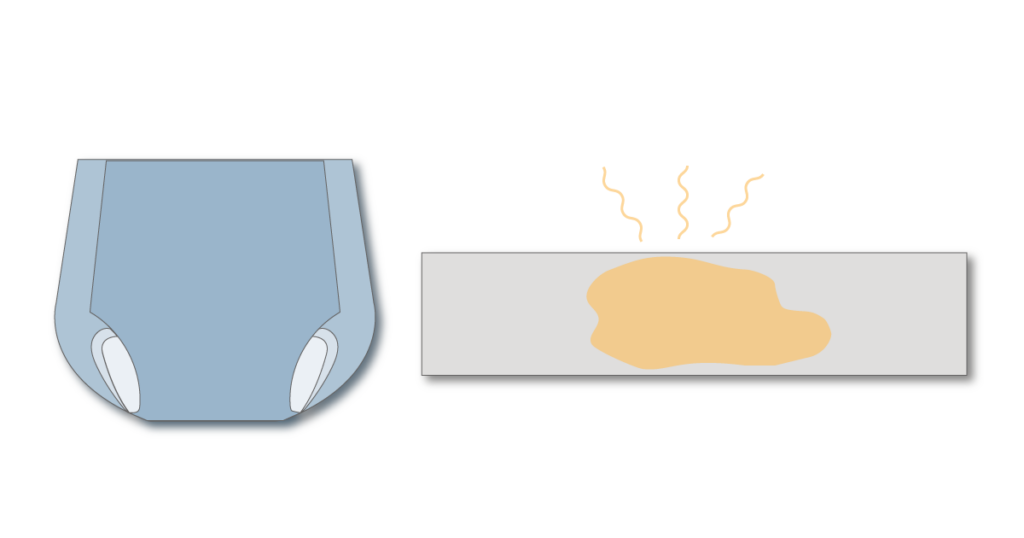
Cloth diapers feel pleasant against the skin before elimination, but discomfort after elimination is pronounced.
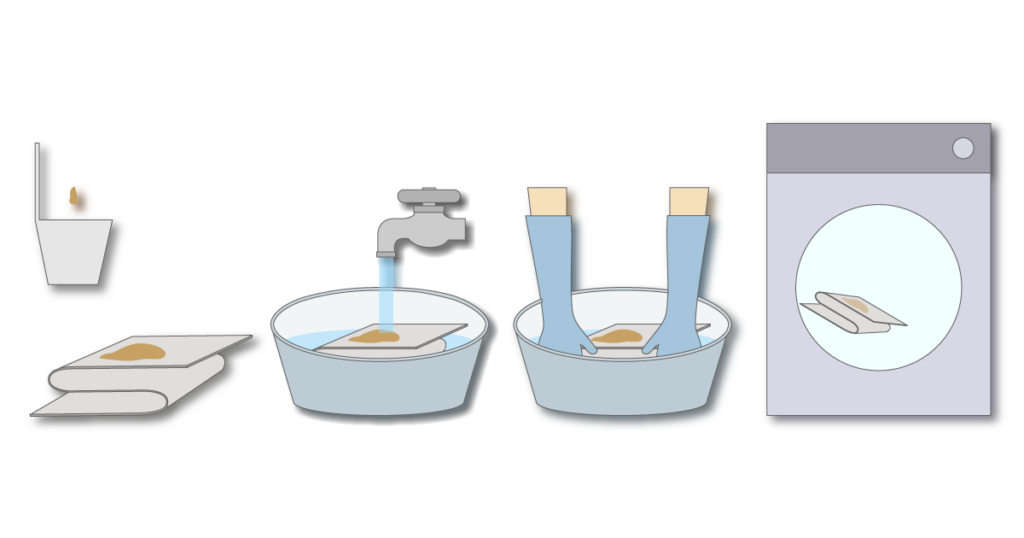
Depending on the soiling, prewashing, handwashing and machine washing make laundering laborious.
Advantages of diaper covers
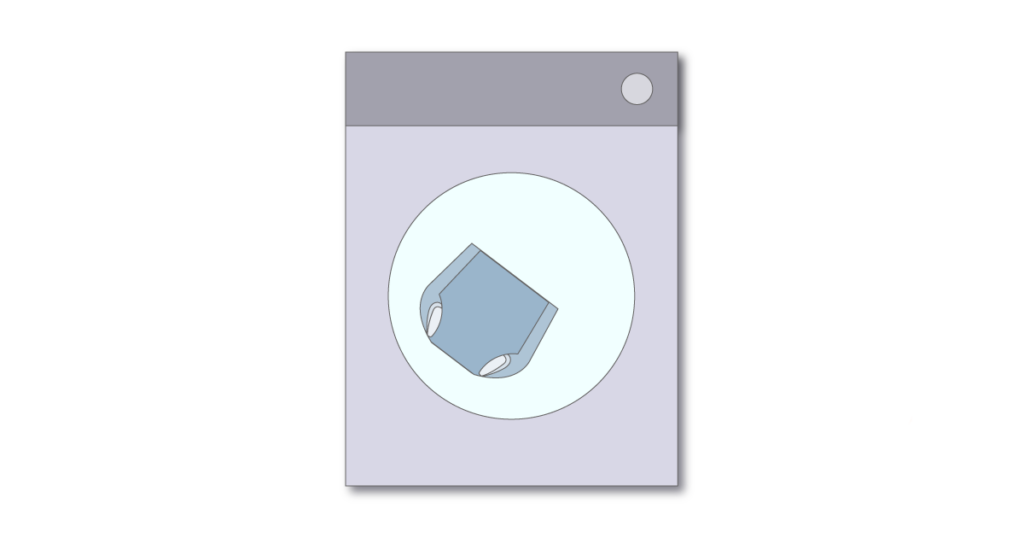
Diaper covers are washable. Repeated washing gradually degrades them.
Summary
Choosing a diaper cover for an adult without careful consideration is not recommended.
Openable fabric pad-holding pants that resemble diaper covers are also available. See these for reference.
 Openable Pad-Holding Pants: Types and How to Choose [2026 Guide]